
The post-terra recovery landscape
The algorithmic stablecoin market in 2026 bears little resemblance to the speculative environment that preceded the TerraUSD collapse in May 2022. That event, which erased $18.7 billion in value within days, exposed the fragility of purely algorithmic models that relied on infinite growth and secondary token backing to maintain their peg. The industry’s response has not been to abandon the concept entirely, but to fundamentally restructure it around regulatory compliance and hybrid collateralization.
Current market leaders have moved away from pure code-based mechanisms. Instead, they employ hybrid models that combine algorithmic rebalancing with real-world or on-chain collateral reserves. For instance, DAI has shifted toward a more transparent, on-chain collateral structure, while newer entrants like Frax v2 and crvUSD utilize fractional-algorithmic designs that require partial backing by stable assets. This approach reduces the systemic risk associated with death spirals, where a loss of confidence triggers a self-reinforcing downward price loop.
Regulatory scrutiny has further accelerated this evolution. Financial institutions now categorize stablecoins into four distinct buckets: fiat-backed, asset-backed, crypto-backed, and algorithmic. Pure algorithmic coins face significant skepticism from regulators and institutional investors who prioritize reserve transparency. As a result, the surviving algorithmic projects have had to integrate traditional financial safeguards, such as regular audits and reserve attestations, to maintain credibility.
The market is no longer defined by the promise of trustless, collateral-free stability. It is defined by the tension between decentralization and regulatory reality. The current landscape favors models that can prove their solvency through verifiable data rather than mathematical theory alone. This shift has stabilized the sector but has also diluted the original ideological appeal of algorithmic money.
Hybrid models replace pure algorithms
The "dead category" narrative surrounding algorithmic stablecoins was born from the May 2022 collapse of USD Terra (UST), which lost its peg and nearly $20 billion in backing value within days. In the years since, the market has not abandoned the concept of algorithmic stability but has fundamentally restructured it. Pure algorithmic models—relying solely on seigniorage tokens or arbitrage mechanisms without real-world backing—have largely disappeared. They have been replaced by hybrid models that combine algorithmic rebalancing with real-world or on-chain collateral.
Leading protocols like Frax and MakerDAO (DAI) have shifted to this hybrid approach to mitigate depeg risks. Frax v2 uses a fractional-algorithmic model where the stablecoin is partially backed by collateral (such as USDC) and partially by algorithmic mechanisms. Similarly, DAI relies on overcollateralization using crypto assets like ETH and WBTC, with algorithmic governance adjusting stability fees to manage supply and demand. These models aim to preserve the efficiency of automated market mechanisms while introducing a collateral buffer that prevents the catastrophic failures seen in 2022.
The table below compares the peg mechanisms, collateral types, and risk profiles of the leading hybrid and algorithmic stablecoins in 2026.
| Stablecoin | Model | Collateral | Risk Profile |
|---|---|---|---|
| DAI | Overcollateralized | Crypto (ETH, WBTC) | Medium |
| Frax v2 | Fractional-Algo | USDC + FXS | Low-Medium |
| crvUSD | Overcollateralized | CRV, ETH, BTC | Medium |
| USDe | Yield-Backed | Real-World Assets | Medium-High |
This shift toward hybridization addresses one of the primary criticisms of the original algorithmic model: the lack of a hard floor during market stress. By anchoring the peg to tangible assets, these protocols reduce reliance on pure market sentiment. However, this does not eliminate risk. Hybrid models introduce new dependencies on the underlying collateral markets and the regulatory treatment of real-world assets (RWAs). For instance, USDe’s reliance on real-world assets ties its stability to traditional financial instruments, introducing counterparty and regulatory risks that pure crypto-collateralized models like DAI do not face. Understanding these distinctions is critical for assessing the true stability of each asset in 2026.
FX stablecoins and exporter utility
While USD-pegged assets dominate the stablecoin landscape, European and Japanese exporters face distinct friction in cross-border settlements. The European Central Bank and Bank of Japan have explored or piloted digital euro and digital yen variants, but the immediate operational reality for many firms involves hybrid stablecoin models like EURC and JPYC. These assets aim to replicate the speed of blockchain rails while hedging against the volatility that traditionally plagues fiat-to-fiat conversions.
However, the utility of these non-USD stablecoins is heavily constrained by liquidity and regulatory fragmentation. Unlike USDC or USDT, which benefit from deep exchange pairs and institutional adoption, EURC and JPYC operate in narrower corridors. This disparity creates a liquidity risk that can manifest as significant slippage during high-volume trade settlements, effectively eroding the margin benefits that stablecoins are supposed to provide.
The regulatory environment further complicates adoption. The EU’s Markets in Crypto-Assets (MiCA) regulation provides a clearer framework for euro-pegged assets than many other jurisdictions, yet compliance costs remain high for smaller payment processors. In Japan, the strict interpretation of the Payment Services Act limits the issuance of stablecoins backed by non-japanese entities, forcing exporters to rely on domestic, heavily regulated issuers.
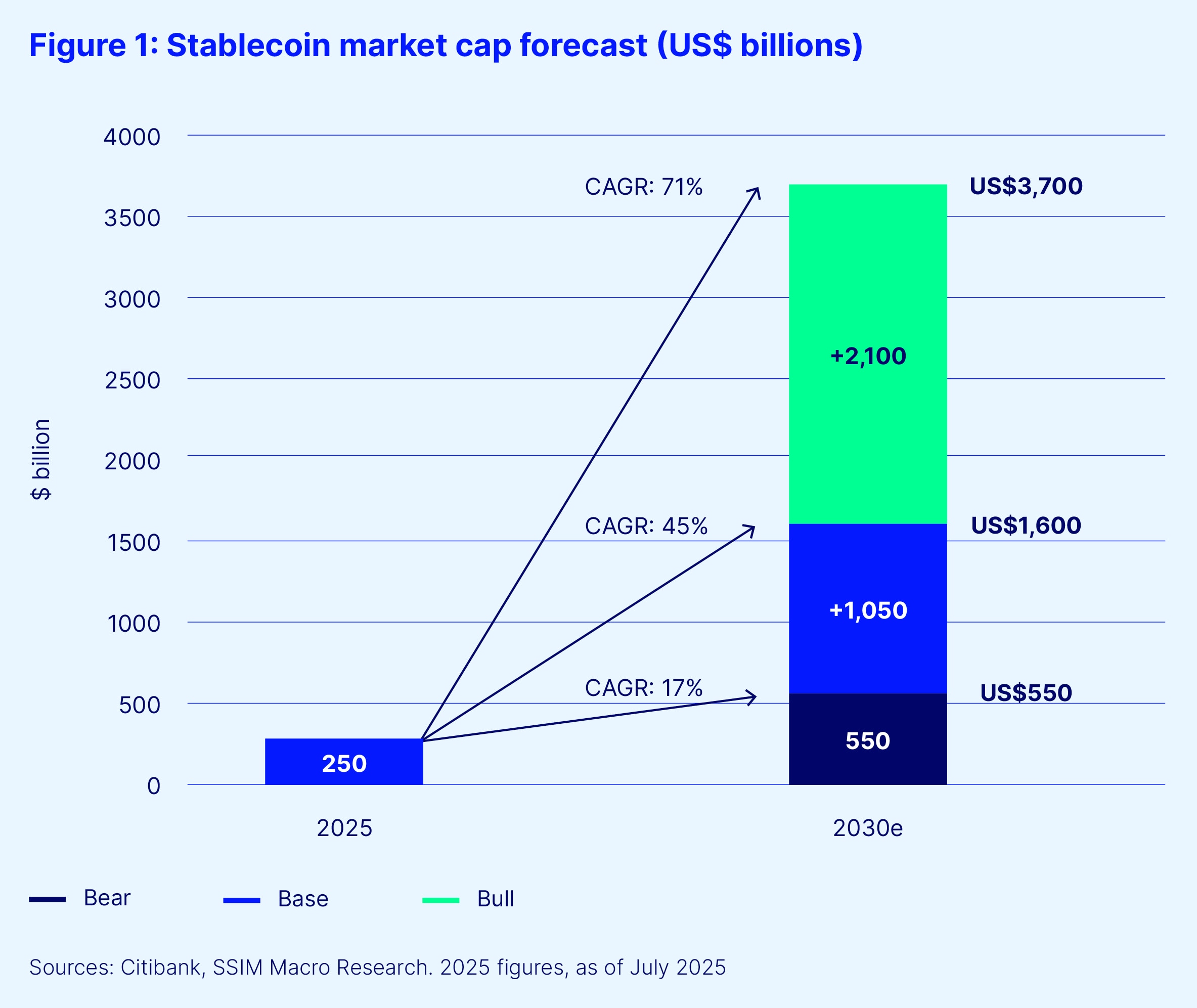
For exporters, the choice between using a USD-pegged stablecoin for direct conversion or a local FX stablecoin is a balance of convenience and risk. While USD stablecoins offer liquidity, they introduce currency conversion risk if the exporter’s base currency is not the US dollar. FX stablecoins eliminate this conversion step but introduce counterparty and regulatory risk. The current market favors USD for its liquidity, but the long-term trend points toward a multi-currency stablecoin ecosystem where regulatory clarity dictates utility.
Regulatory frameworks and compliance
The passage of the GENIUS Act in the United States has established a baseline regulatory framework for stablecoins, fundamentally altering the landscape for algorithmic issuers. While the legislation primarily targets fiat-backed reserves, its transparency requirements cast a long shadow over algorithmic models. Issuers can no longer rely on opaque code or unverified collateral; they must demonstrate that their peg mechanisms do not pose systemic risks to the broader financial system.
Algorithmic stablecoins are now forced to adopt hybrid structures to survive compliance audits. Purely algorithmic models, which rely on seigniorage shares or self-correcting supply expansions, face skepticism from regulators who view them as unbacked liabilities. Instead, successful issuers like Frax v2 and crvUSD have integrated partial collateral backing. This shift moves them closer to regulated reserve standards, allowing them to comply with the GENIUS Act’s reserve transparency mandates while maintaining some algorithmic flexibility.
Global liquidity remains a counterweight to US regulatory strictness. While US issuers align with federal reserve rules, assets like DAI persist through onchain collateral over bank-held reserves, appealing to users who prioritize decentralized governance over traditional banking rails. For builders, the regulatory reality is clear: algorithmic innovation must now be wrapped in verifiable, auditable collateral to gain institutional trust and market access.
Risk assessment for treasury managers
Algorithmic stablecoins have survived 2022’s collapse by shifting from pure code-based expansion to hybrid models that combine partial reserves with algorithmic rebalancing. For treasury managers, this evolution reduces but does not eliminate systemic risk. Evaluating these assets requires a strict audit of reserve transparency, regulatory standing, and historical peg stability.
Pure algorithmic models are largely abandoned. Modern hybrids like Frax v2 or DAI hold significant portions of real-world assets (RWA) or crypto collateral. Treasuries must verify that the collateral ratio is auditable in real-time or via high-frequency attestations. If the reserve is opaque, the algorithmic component is a liability, not a hedge.
Regulatory frameworks in 2026 are tightening around stablecoin issuers. Ensure the protocol operates within recognized jurisdictions and complies with local reserve requirements. Non-compliant algorithms face immediate shutdown risks, which can freeze treasury funds. Prioritize protocols with clear legal entities and ongoing dialogue with regulators.

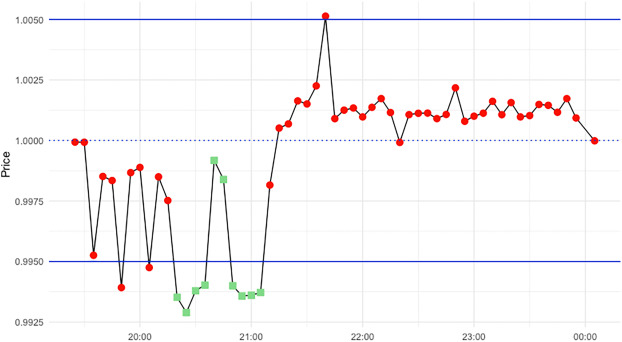
Analyze how the protocol reacts during market crashes. Do the rebalancing mechanisms rely on stable demand, or do they require excessive inflation of backing tokens? Historical data from the Terra/Luna collapse shows that infinite minting mechanisms can fail under liquidity stress. Treasuries should model a 20-30% market drop to see if the peg holds without a liquidity crisis.
The primary keyword cluster for this evaluation is algorithmic stablecoin risk. Treasuries must treat these assets as high-risk instruments requiring active monitoring, not passive holdings. The shift toward hybrid models offers a path forward, but only for organizations with the technical capacity to audit code and collateral daily.
No comments yet. Be the first to share your thoughts!