
Spot the arbitrage window
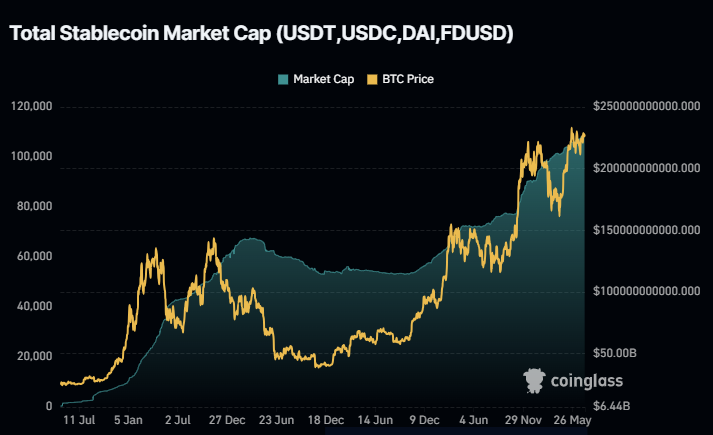
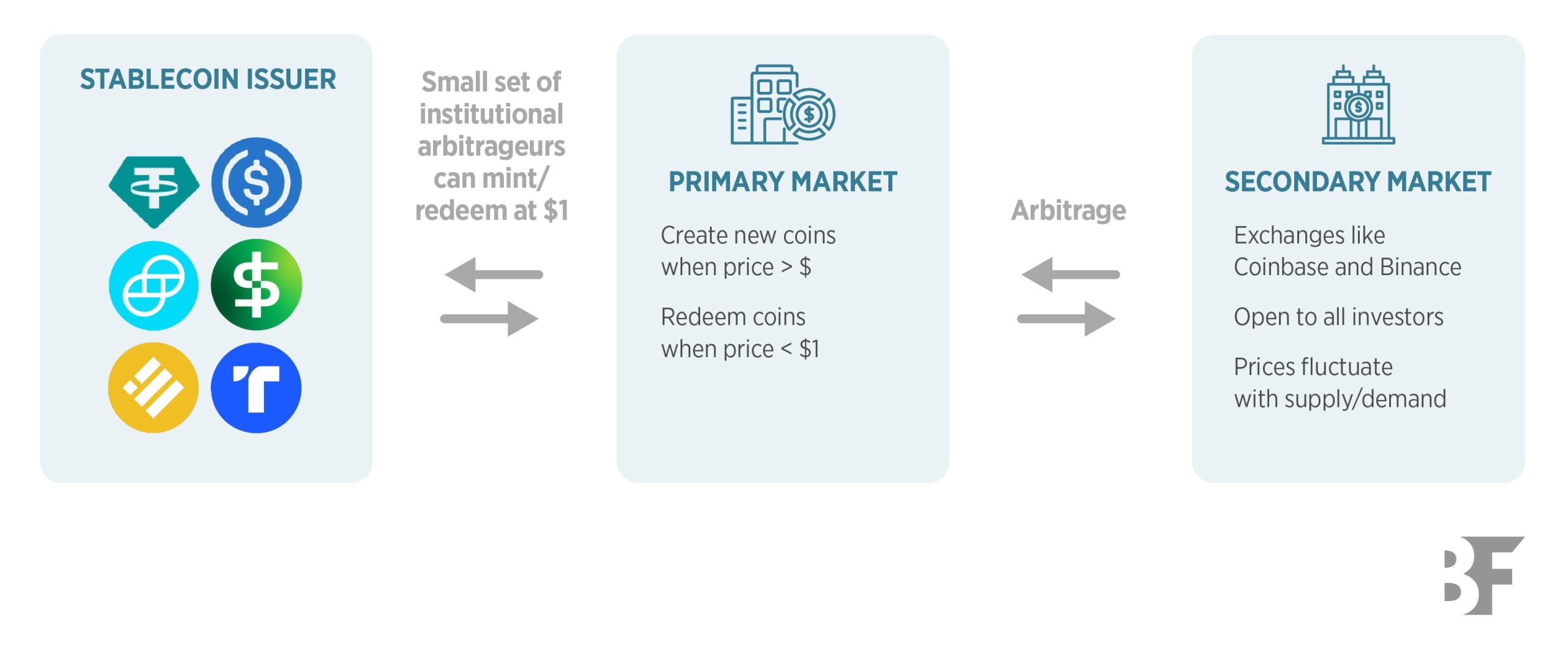
FX stablecoin arbitrage 2026 is not a theoretical concept; it is a mechanical hunt for price gaps. The strategy relies on buying a fiat-pegged stablecoin, such as EURC or JPYC, where it trades below its peg and selling it where the price aligns with the underlying currency or USD equivalent. These windows exist on decentralized exchanges (DEXs) where liquidity is thin or fragmented.
The IMF’s recent analysis of stablecoin inflows confirms that substantial price gaps emerge between acquiring dollar exposure and the actual market price of these assets IMF. However, these discrepancies are fleeting. As one industry analysis notes, the opportunity to buy USDC at $0.998 and sell it at $1.00 may look like free money, but the window often lasts only seconds Bitsgap.
Monitoring these spreads requires real-time data. Traders must watch the live quotes for pairs like EURC/USD to identify the exact moment the spread widens enough to cover gas fees and slippage.
The legal and financial stakes are high. A failed execution leaves you holding a de-pegged asset or stuck with negative balance due to impermanent loss. You must verify that the DEX you are using is compliant with your jurisdiction’s regulations before attempting any trade. This is not a place for unverified platforms.
Check regulatory status first
Before executing any arbitrage trade, you must verify that both the stablecoin and its issuer are compliant with current regulations. In 2026, the legal landscape is defined by two primary frameworks: the US GENIUS Act and the EU’s MiCA. Trading non-compliant assets exposes you to frozen funds and severe legal penalties. Treat this verification step as the foundation of your arbitrage strategy, not an afterthought.
The GENIUS Act (PL 119-27), signed into federal law on July 18, 2026, sets strict reserve transparency requirements for stablecoins operating in the United States. Issuers must hold 1:1 reserves in cash and short-term US treasuries, with regular attestation reports. If a stablecoin fails to meet these standards, it is illegal to use for settlement or arbitrage within US jurisdiction. You must check the issuer’s public compliance dashboard or official filings to confirm their status.
In Europe, the Markets in Crypto-Assets Regulation (MiCA) applies to all stablecoins circulating within the EU. MiCA requires issuers to obtain authorization from national competent authorities and maintain high-quality liquid assets. Non-compliant tokens are prohibited from trading on regulated platforms. Verify that the stablecoin you are trading has received the necessary MiCA authorization before proceeding.
Use official sources to confirm compliance. The US Treasury’s Financial Crimes Enforcement Network (FinCEN) and the European Securities and Markets Authority (ESMA) maintain updated lists of authorized and compliant stablecoins. Do not rely on third-party blogs or unverified news sources for this information. A single trade with a non-compliant asset can negate weeks of arbitrage profits. Verify first, trade second.
Execute the cross-chain swap
The window for FX stablecoin arbitrage is measured in seconds. A delay of a few blocks can erase the margin. You must move capital from the source chain to the target DEX with minimal slippage and zero downtime.
This process requires precision. Regulatory bodies like the IMF and FCA emphasize that stablecoin operations must remain transparent and compliant at every step. This guide focuses on the technical execution of bridging USDC to EURC and swapping on a DEX.
Before any transfer, you must approve the DEX router to spend your USDC. This is a single transaction on the source chain. Use the exact router address for the pool you intend to use. Verify the contract address against official documentation to avoid phishing scams.
Transfer your USDC to the destination chain using a trusted bridge. This step is the most vulnerable to delay. Use a bridge with high liquidity and low fees. Monitor the bridge’s status page for congestion. If the bridge is slow, consider using a wrapped asset if the DEX supports it.
On the target chain, configure the swap from USDC to EURC. Set the slippage tolerance to a tight range, typically 0.5% to 1%. A wider tolerance risks losing your margin to price impact. Ensure the transaction deadline is short, such as 1-2 minutes, to prevent stale trades.
Submit the swap transaction. Watch the mempool for confirmation. If the price moves against you, the transaction will revert. Do not manually cancel; let the transaction expire. If it fails, you may have paid gas fees without receiving the EURC.
Once the swap is confirmed, verify the EURC balance in your wallet. Check the yield source for the updated balance. Record the transaction hash for compliance records. This step closes the loop and prepares you for the next arbitrage opportunity.
Execution errors that erase arbitrage profits
Arbitrage margins vanish quickly. A stablecoin trade that looks profitable on paper often turns negative once you account for slippage, bridge fees, and regulatory friction. The following pitfalls are common in FX stablecoin arbitrage and can wipe out returns or trigger legal exposure.
Bridge and smart contract exploits
Cross-chain transfers rely on bridges that are frequent targets for exploits. If a bridge fails or gets drained, your capital is locked or lost. Always verify the bridge’s audit history and total value locked before routing funds. Do not assume that a protocol’s reputation guarantees safety.
Depegging events
Stablecoins can lose their peg during market stress. A depeg reduces the value of your collateral and can trigger liquidations. Monitor on-chain data for reserve transparency and redemption rates. The IMF notes that stablecoin inflows create spillovers in FX markets, meaning peg stability is tied to broader liquidity conditions [[src-serp-8]].
Regulatory non-compliance
Operating without proper licenses can lead to frozen assets or fines. The FCA and other regulators require adherence to anti-money laundering (AML) and know-your-customer (KYC) rules. Ignoring these requirements is not a strategy; it is a liability. Always check the legal status of the jurisdictions you are trading in.
Verify compliance and report
The profit from FX stablecoin arbitrage is meaningless if it triggers a tax penalty or regulatory fine. In 2026, the regulatory environment is no longer ambiguous. The GENIUS Act is federal law, and the FCA has made stablecoin payments a primary enforcement priority. You must treat every trade as a reportable event.
Determine if your stablecoin holds the legal status of a security or currency. The GENIUS Act (PL 119-27) provides federal clarity for certain issuers, but state-level money transmitter laws may still apply. Misclassifying your asset type is the fastest way to invite an audit.
Arbitrage relies on thin margins. You must log the exact entry and exit price for every swap, including network fees and slippage. The FCA’s 2026 growth measures emphasize transparency; your internal ledger must be able to reconstruct the full trade history on demand. Use automated tracking software that captures on-chain data.
Report capital gains or income according to your jurisdiction’s rules. In the US, this means Form 8949 and Schedule D. In the UK, you must declare gains on your Self Assessment tax return. Do not rely on general exchanges for this data; stablecoin movements often bypass traditional reporting channels, leaving you solely responsible for accurate filing.
Regulators are moving from observation to enforcement. Keep records of your smart contract interactions, exchange API logs, and compliance checks for at least seven years. If the FCA or the IRS questions a transaction, you must prove the source of funds and the legality of the arbitrage strategy immediately.
No comments yet. Be the first to share your thoughts!