
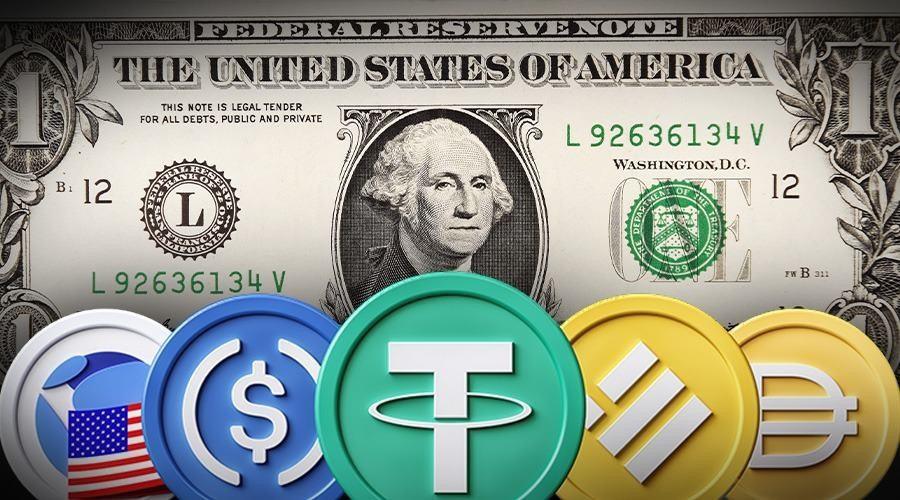
stablecoins 2026
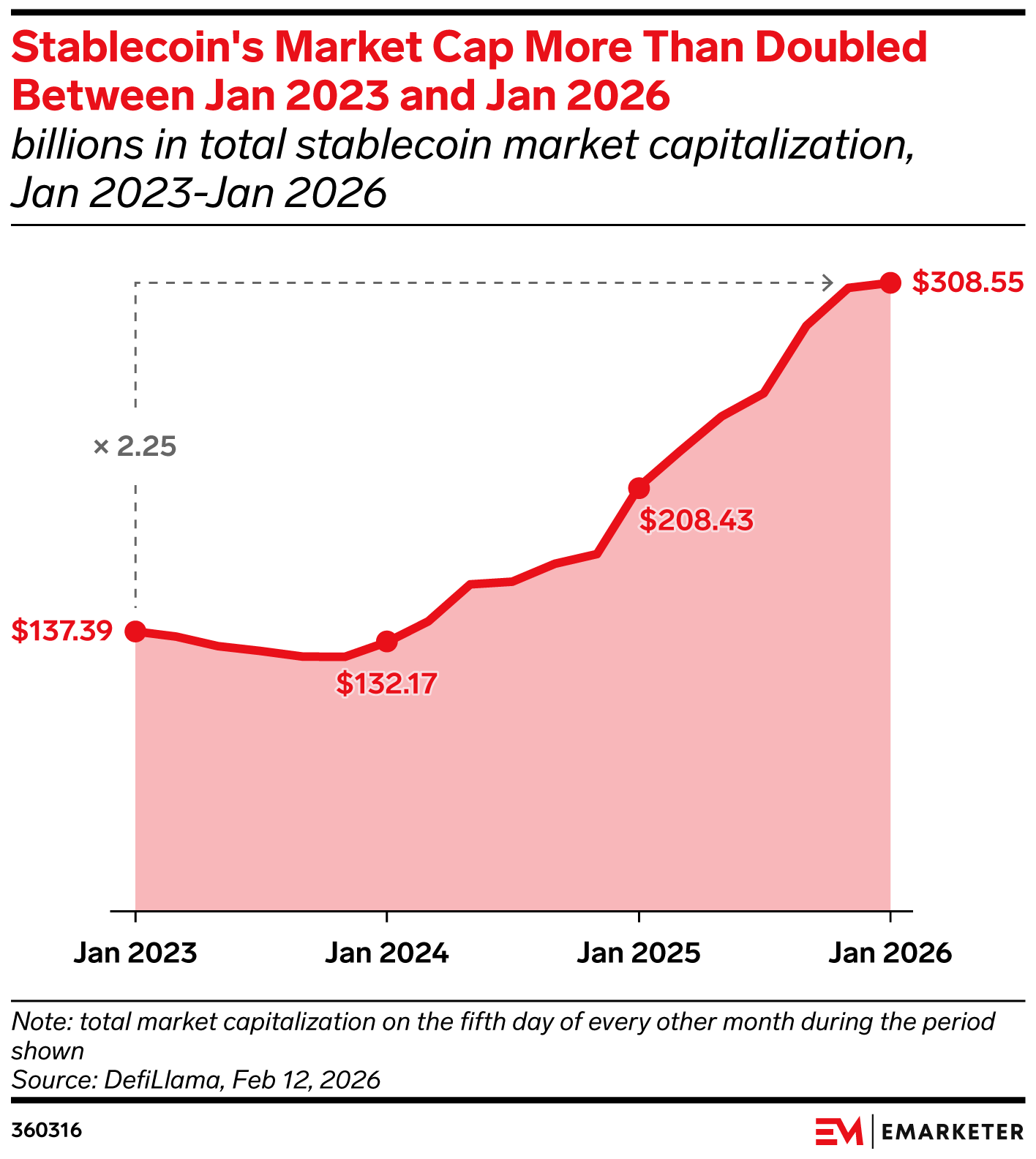
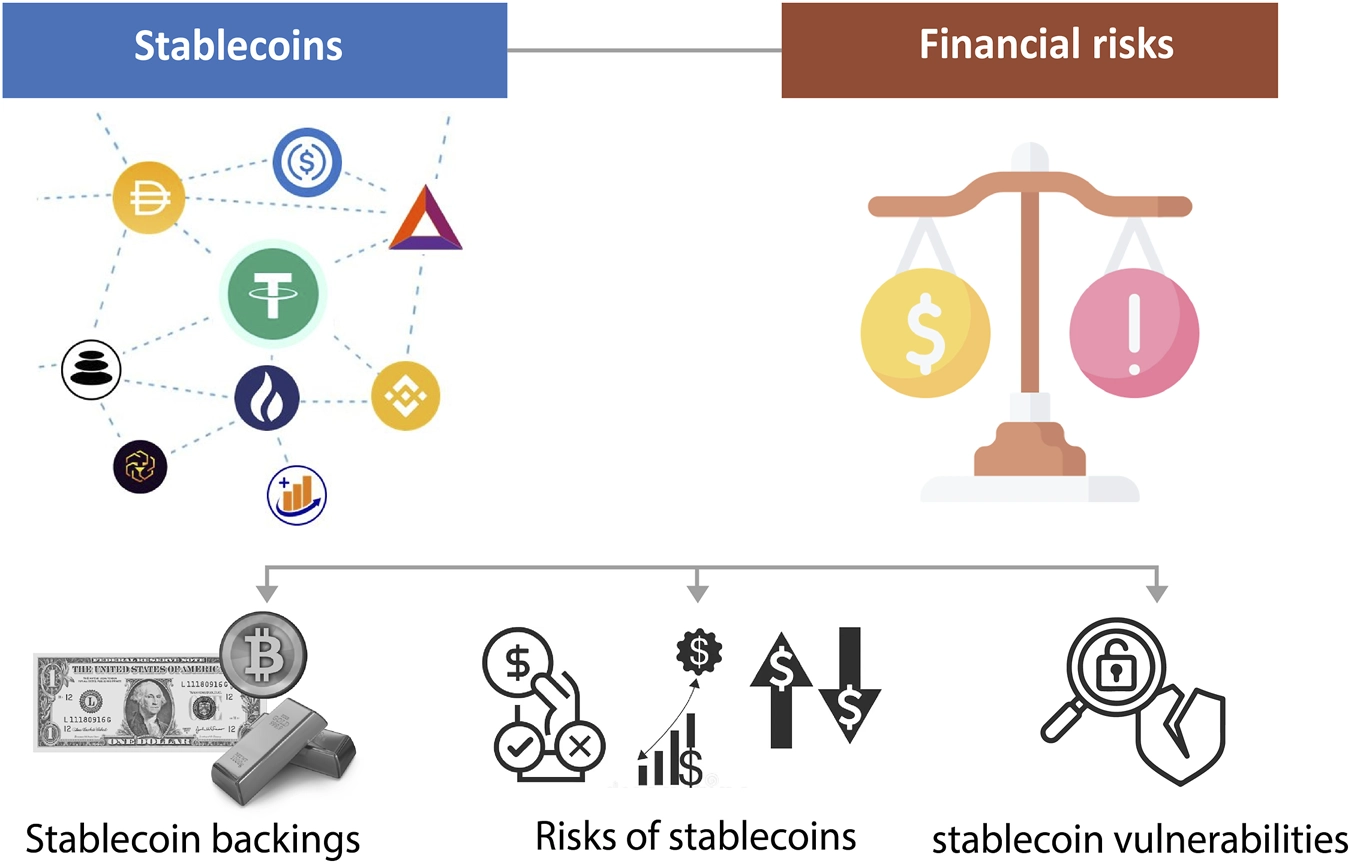
Choosing the right stablecoin in 2026 requires looking past market cap and examining the specific mechanics of each reserve. We evaluated the top contenders based on three concrete criteria: regulatory compliance and reserve transparency, actual liquidity depth across major exchanges, and native integration with payment rails. This approach separates coins that are merely popular from those that are structurally sound for long-term holding.
The selection process prioritized coins with verifiable on-chain audits and clear legal frameworks. We focused on assets that maintain their peg through robust redemption mechanisms rather than speculative backing. The resulting list highlights USDC, PYUSD, and other emerging alternatives that offer distinct advantages depending on whether your primary use case is trading, cross-border payments, or yield generation.
5 USD-pegged Stablecoins Dominating 2026: USDC, PYUSD, and Emerging Alternatives
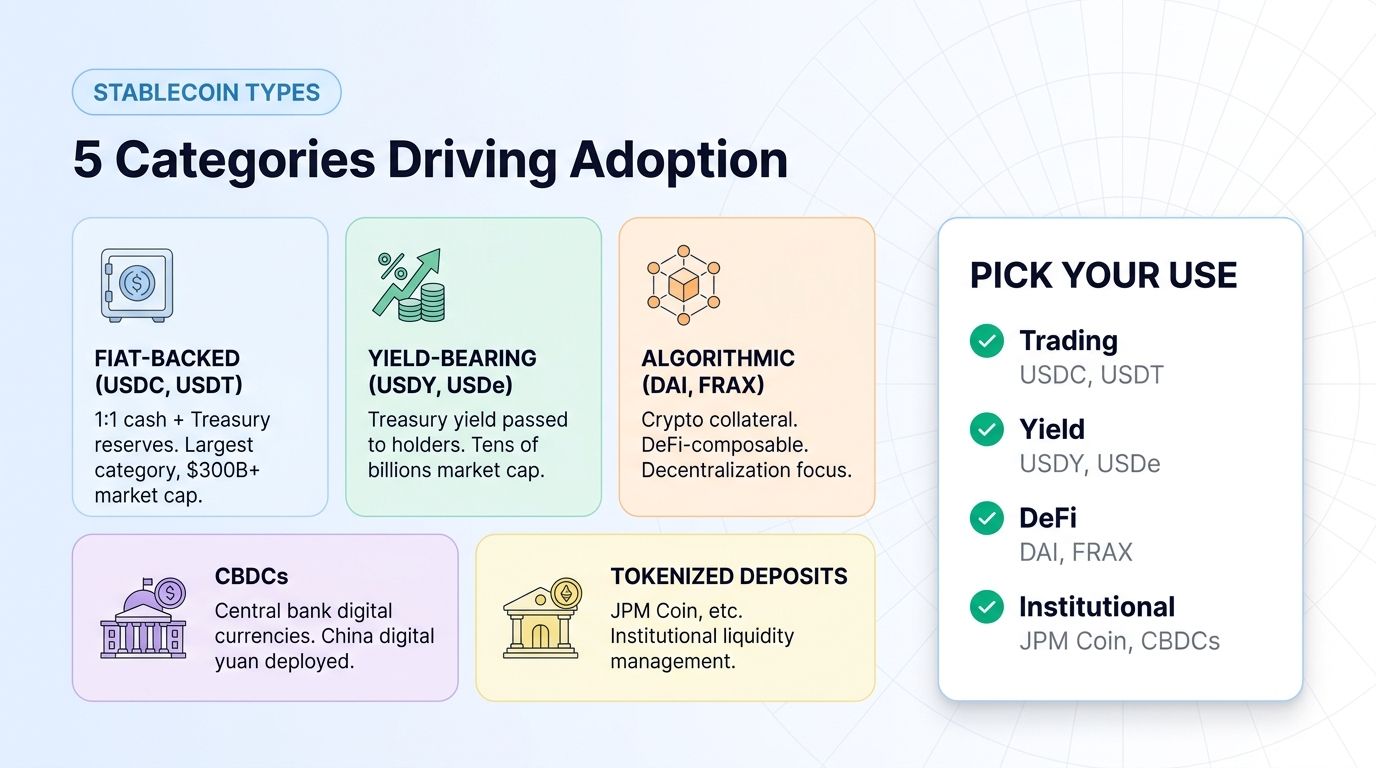
In 2026, the USD-pegged stablecoin market has consolidated around three primary contenders: USDC, PYUSD, and a select group of emerging alternatives. This comparison outlines the specific regulatory standing, reserve transparency, and use-case tradeoffs for each asset to help you determine the most suitable option for your compliance and operational needs.
1. USDC regulatory compliance and reserve transparency
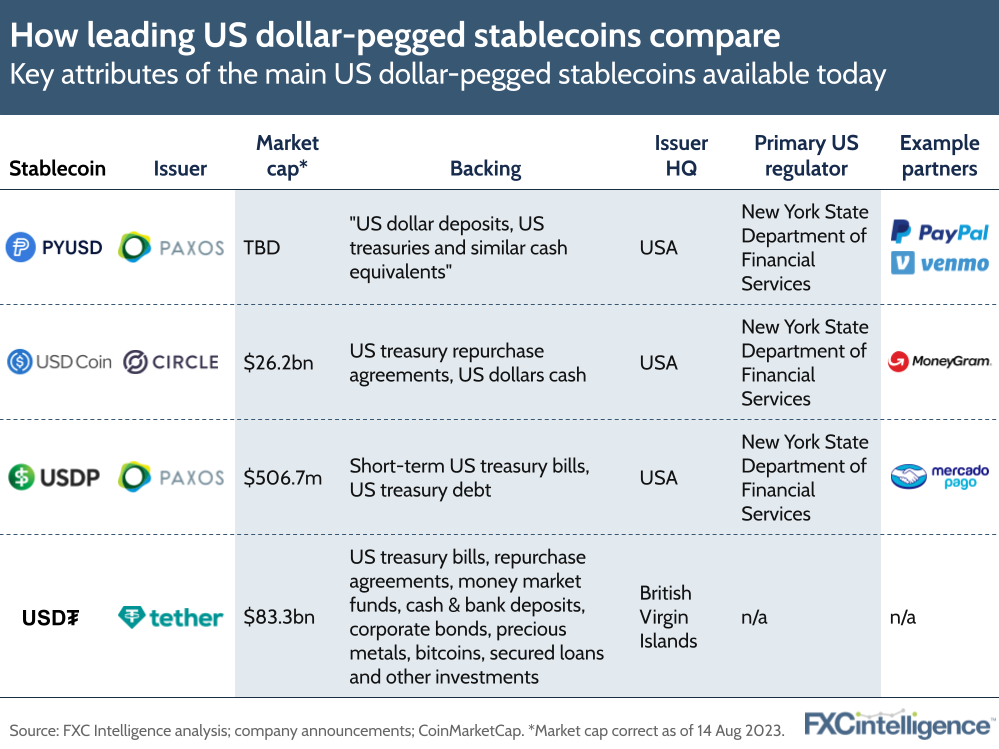
Circle’s USDC stands out for its rigorous regulatory alignment and full reserve backing. Each token is backed 1:1 by cash and short-duration U.S. Treasuries, with monthly attestations from independent auditors. This structure offers institutional-grade transparency, making it a preferred choice for regulated entities and users prioritizing legal clarity over speculative yield. Trust is maintained through consistent, verifiable reporting.
2. PYUSD regulatory status and reserve backing
PayPal’s PYUSD leverages the tech giant’s brand to enter the stablecoin market with a focus on compliance. Backed by cash and short-term U.S. Treasuries, it undergoes quarterly attestation by independent auditors. PYUSD integrates seamlessly with PayPal’s vast user base, offering easy on-ramps for everyday commerce. Its regulatory stance emphasizes safety and consumer protection, appealing to mainstream users.

3. Tether USDT liquidity and market dominance
Tether’s USDT remains the most liquid stablecoin, dominating trading pairs across global exchanges. Its deep liquidity ensures minimal slippage for large trades, making it indispensable for traders. While reserve transparency has faced scrutiny, Tether’s market cap and usage volume are unmatched. Users prioritize speed and availability over regulatory nuances, accepting trade-offs for unparalleled market access.

4. BUSD regulatory wind down and exit
Binance USD (BUSD) has largely exited the market following regulatory pressures, marking a significant shift in the stablecoin landscape. Its decline highlights the risks of operating without clear regulatory approval. Users migrated to alternatives like USDC and USDT, demonstrating the importance of compliance. BUSD’s exit serves as a cautionary tale for projects prioritizing growth over regulatory adherence.
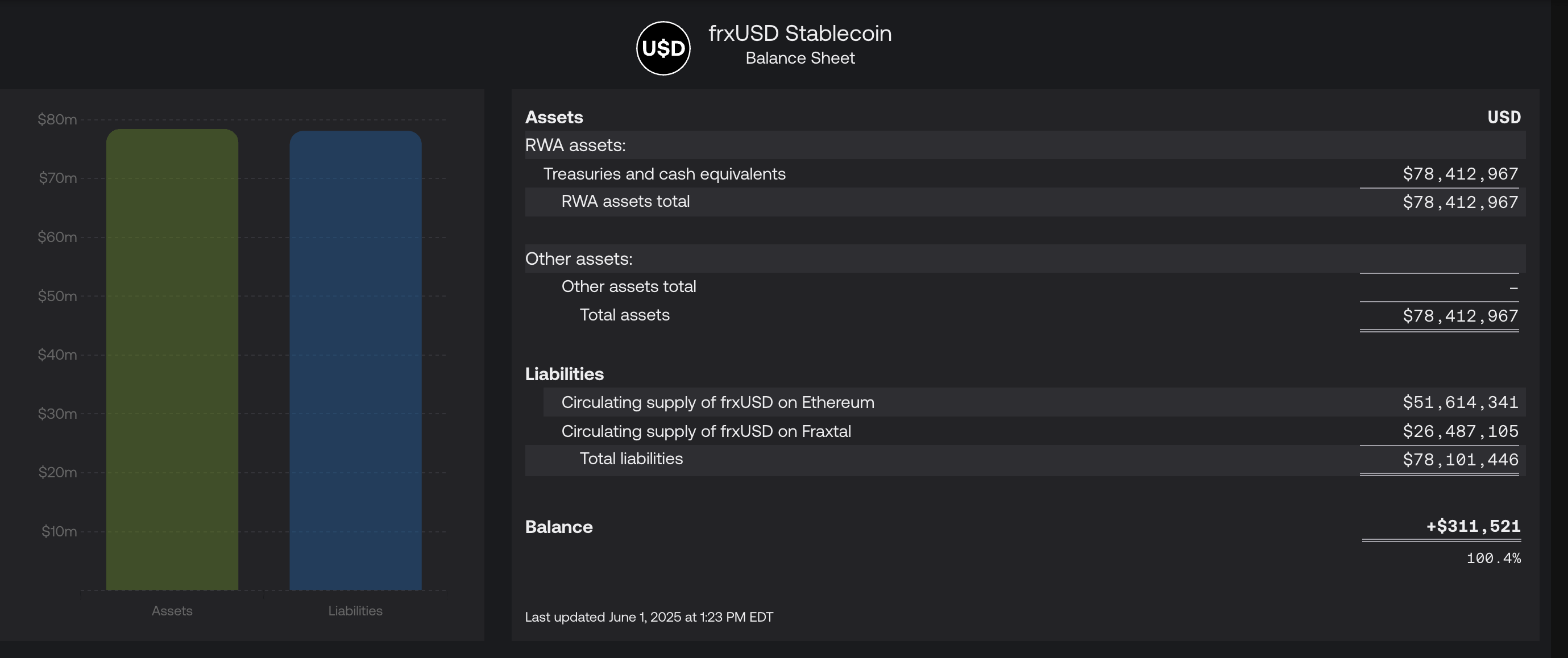
5. Frax Protocol fractional-algorithmic stability model
Frax introduces a unique fractional-algorithmic model, combining collateralized and algorithmic mechanisms to maintain its peg. This hybrid approach offers potential efficiency gains but introduces complexity and risk. Frax appeals to users interested in innovative stablecoin designs and yield opportunities. However, its reliance on algorithmic components requires careful monitoring, distinguishing it from fully collateralized peers.
Pick the right fit
Choosing a USD-pegged stablecoin comes down to matching your specific workflow to the issuer’s infrastructure. USDC, PYUSD, and emerging alternatives each solve different problems regarding regulation, liquidity, and accessibility. Use this framework to assess the tradeoffs.

Prioritize coins that publish monthly reserve attestations. USDC and PYUSD both offer regulated, US-based alternatives to opaque issuers. For high-stakes transactions, verify the issuer’s legal structure before transferring large volumes.
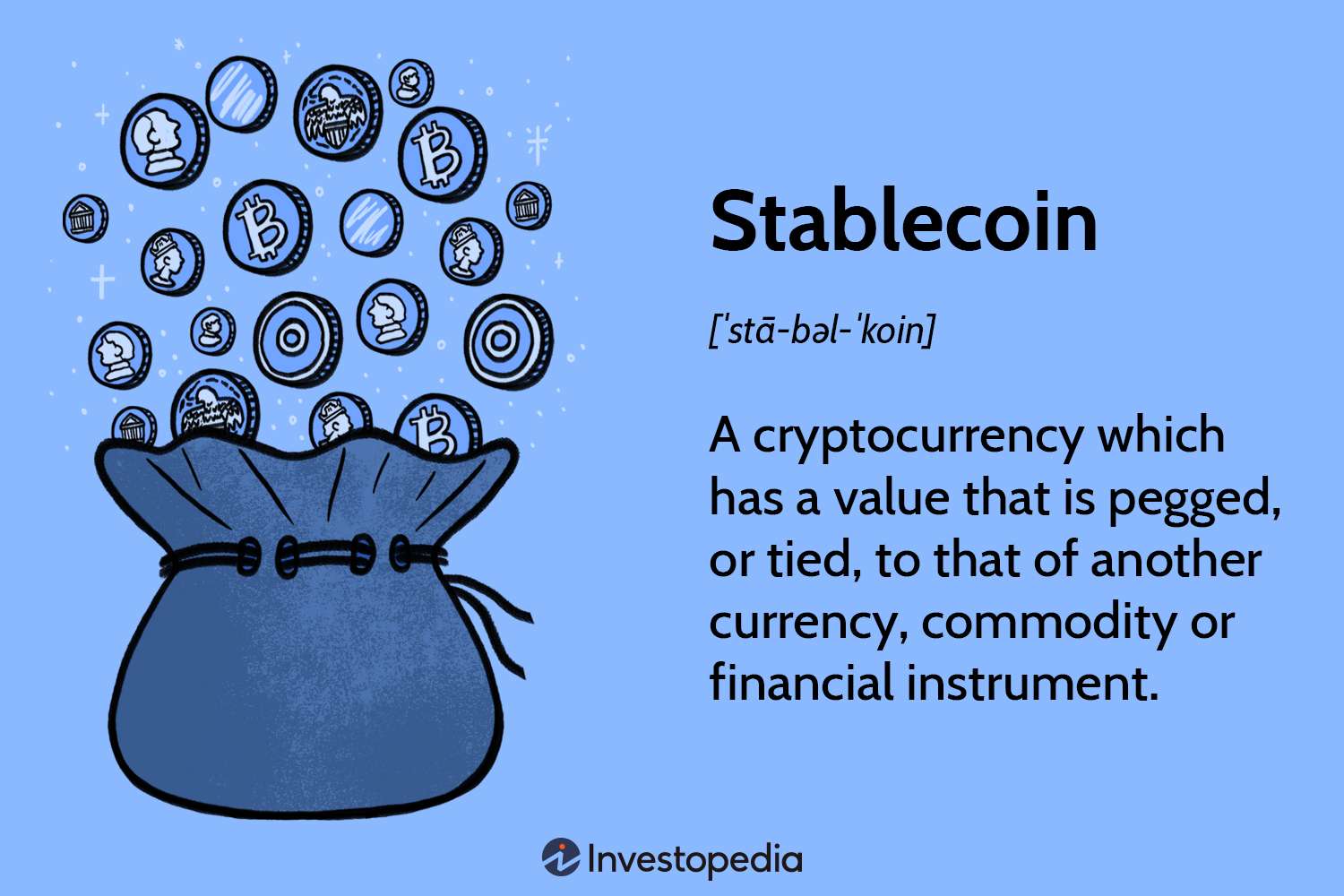
Liquidity determines how quickly you can exit. USDT remains the dominant pair on most global exchanges, while USDC leads in regulated environments like Coinbase. If you rely on fiat on-ramps, ensure your bank supports your chosen coin’s network.

PYUSD integrates directly with PayPal, making it ideal for users who want seamless movement between traditional banking and crypto. For decentralized finance (DeFi) activities, USDC and DAI often offer deeper integration with lending protocols and automated market makers.
| Feature | USDC | PYUSD | USDT |
|---|---|---|---|
| Issuer | Circle | PayPal | Tether |
| Reserve Transparency | Monthly Attestations | Monthly Attestations | Quarterly Attestations |
| Best For | DeFi & Compliance | PayPal Users | Global Liquidity |
Helpful gear
Use these product recommendations as a starting point, then choose the size, material, and price point that fit how you actually use the gear.


As an Amazon Associate, we may earn from qualifying purchases.
No comments yet. Be the first to share your thoughts!