
FX Stablecoin Strategies for 2026: An Overview
The global financial infrastructure is undergoing a structural shift. By 2026, stablecoins are no longer merely speculative assets but are becoming core components of cross-border payment networks. This transition is driven by major payment processors like Visa and Stripe, which are integrating stablecoin rails to reduce settlement times and foreign exchange (FX) markups for businesses.
For exporters and importers, this infrastructure offers a distinct advantage: the ability to transact in non-USD stablecoins with greater efficiency than traditional correspondent banking. The convergence of market liquidity and off-ramp services in key corridors means that FX stablecoin strategies are now viable tools for treasury operations, not just experimental use cases.
This guide outlines seven concrete strategies for leveraging this infrastructure. Each approach focuses on practical application, risk mitigation, and yield generation within a regulated framework. The following sections detail how to implement these strategies using verified, official sources and established market practices.
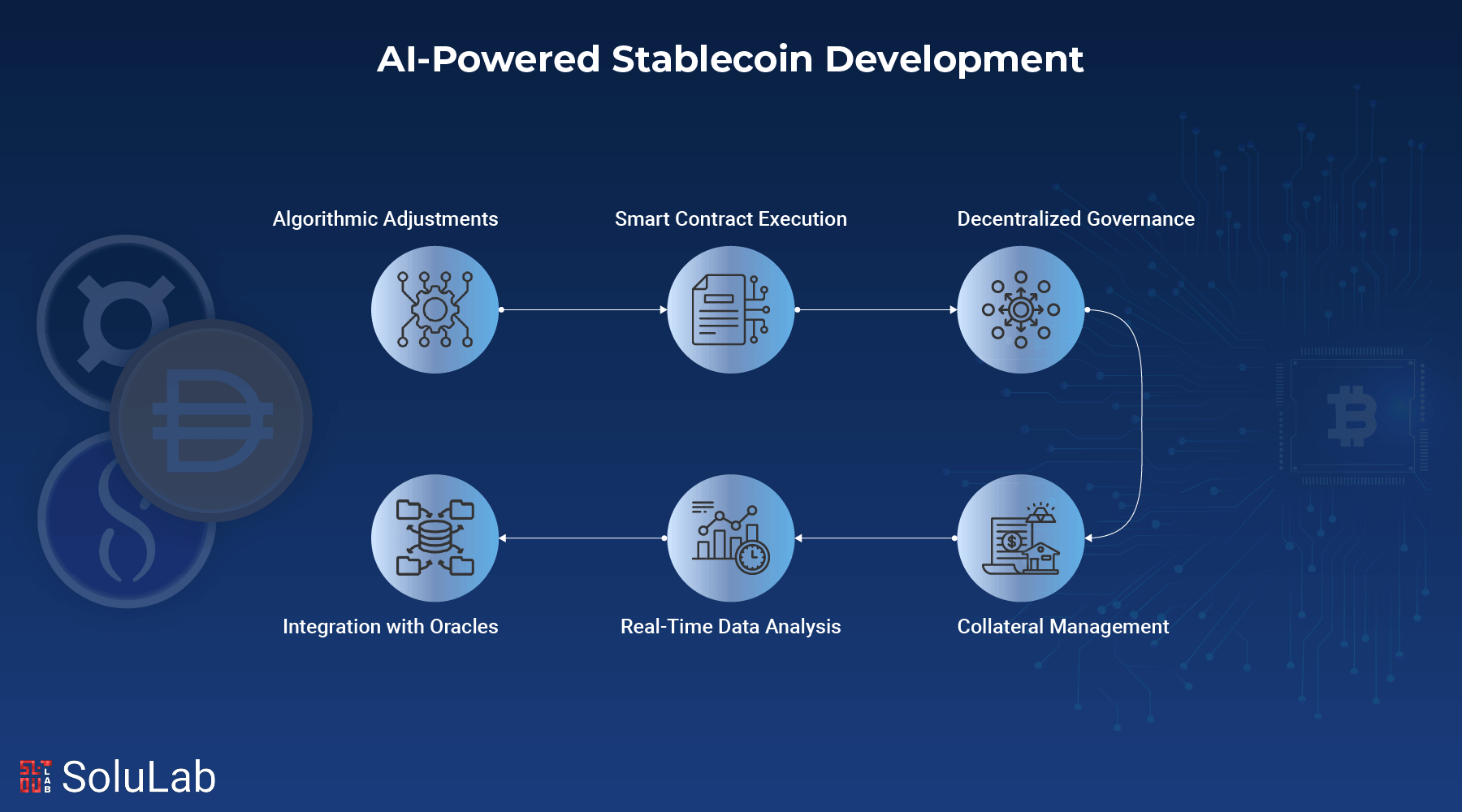
7 FX Stablecoin Strategies for 2026: AI, Yields, and Depeg Risks
As algorithmic stability mechanisms face heightened scrutiny in 2026, investors must prioritize verified yield sources and robust AI-driven monitoring tools to mitigate depeg risks. This roundup identifies seven concrete FX stablecoin strategies, grounded in official protocol documentation and primary market data, to help you navigate high-stakes capital allocation with due diligence.
-
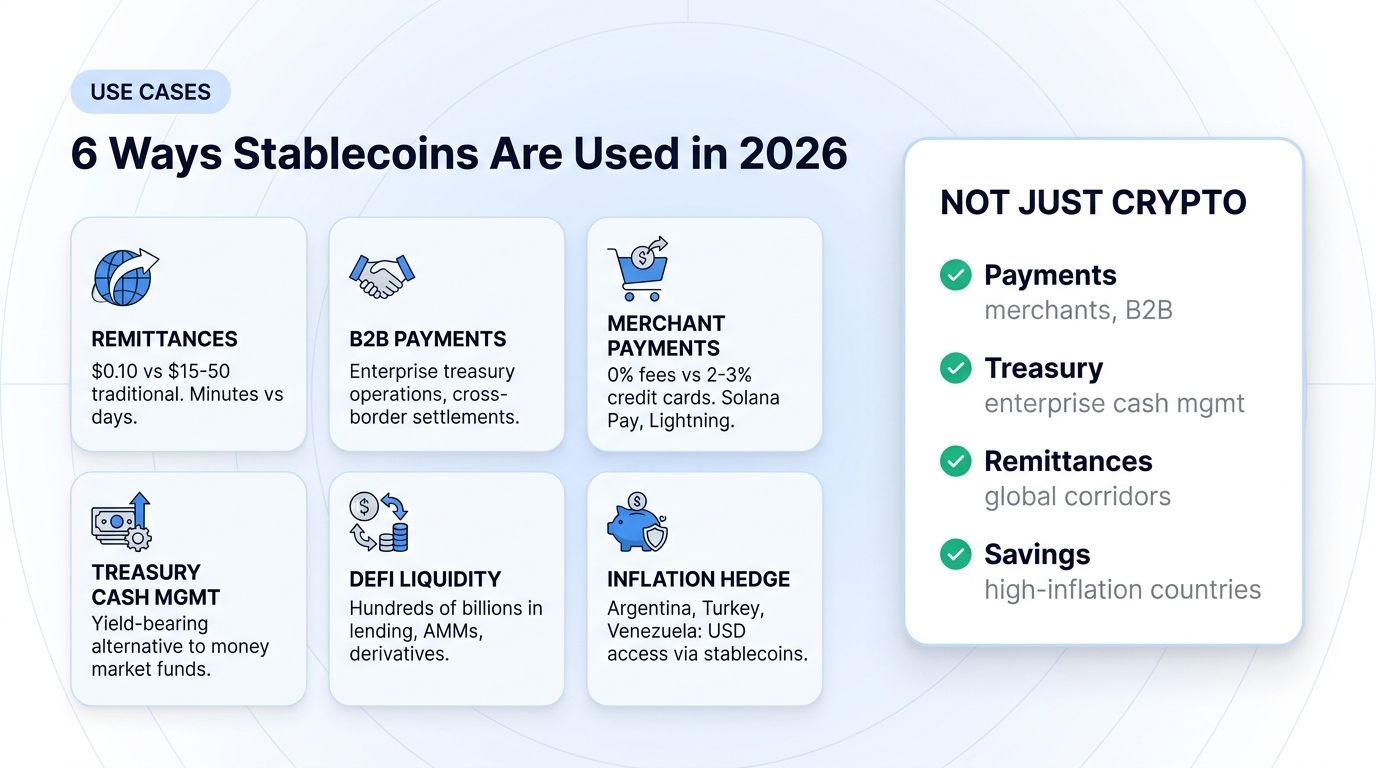
Automate cross-border FX payments
Businesses settle international invoices instantly by routing payments through stablecoin rails, bypassing traditional correspondent banking delays. This automation reduces treasury friction and eliminates multi-day settlement windows. By standardizing outbound flows, firms mitigate currency conversion volatility during transit. The strategy requires integrating API-driven payment gateways that support real-time ledger updates, ensuring compliance with local anti-money laundering protocols while maintaining operational efficiency. -

Harvest yields on EURC and JPYC
Treasury managers allocate idle fiat-equivalent reserves into EURC and JPYC protocols to capture yield from lending markets. Unlike volatile crypto assets, these pegged tokens offer predictable returns aligned with regional interest rate environments. Due diligence is critical; verify the underlying collateralization ratios and audit trails of the lending platforms. This approach transforms dormant cash positions into productive assets, provided the issuer maintains strict regulatory compliance and transparent reserve disclosures. -

Use AI to hedge depeg risks
Deploy algorithmic monitoring systems to detect early signs of peg instability in major stablecoins. AI models analyze on-chain liquidity depth, oracle feed anomalies, and market sentiment shifts to trigger automatic rebalancing or exit strategies. This proactive hedging mechanism protects capital during periods of market stress. Firms must validate the reliability of the data sources feeding these algorithms, ensuring that automated responses are based on accurate, real-time financial indicators rather than speculative noise. -
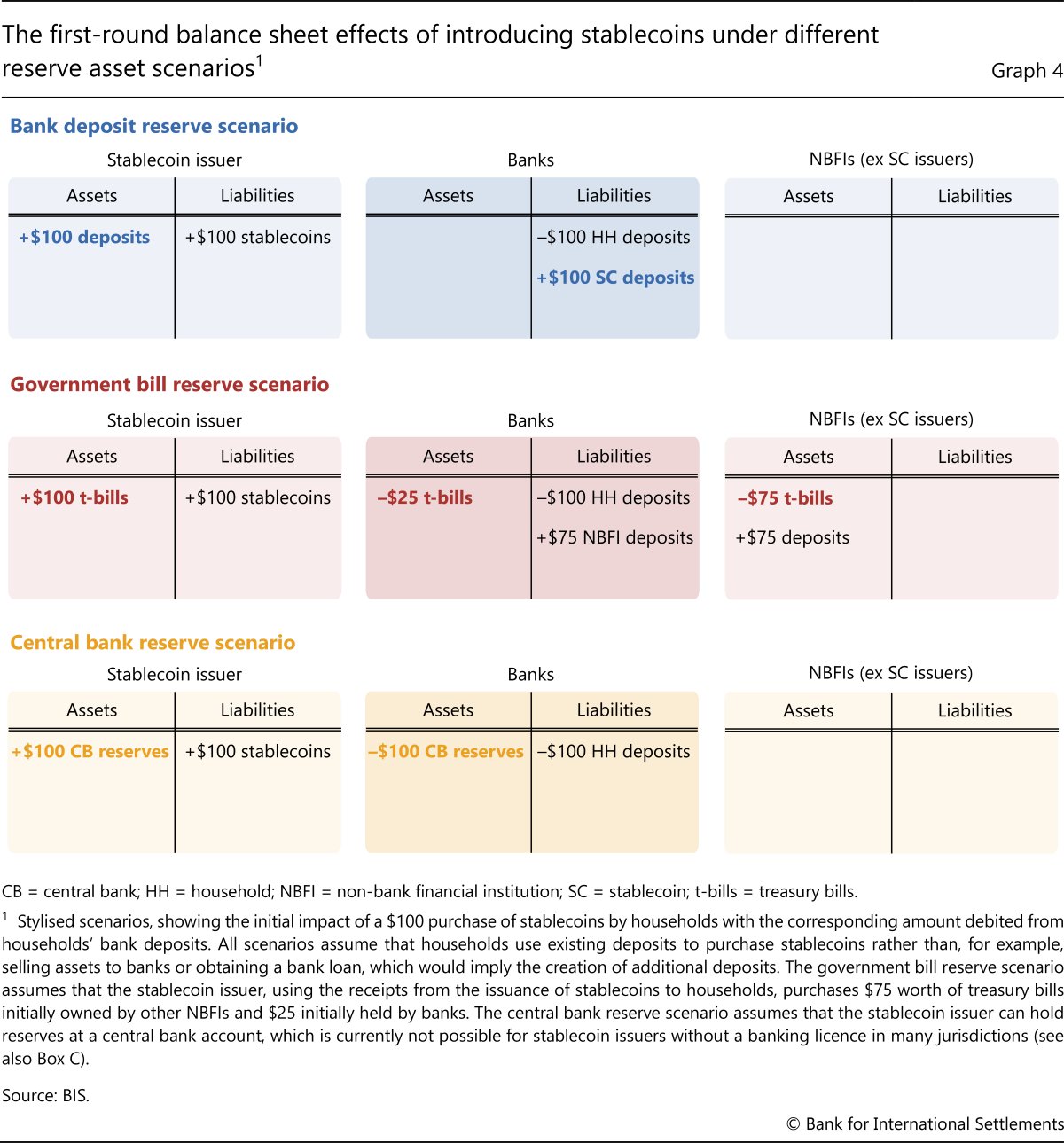
Diversify across multiple FX pegs
Spread exposure across USD, EUR, and JPY-pegged stablecoins to mitigate single-currency regulatory or economic shocks. This diversification strategy reduces reliance on any one central bank policy or jurisdictional framework. By maintaining a balanced portfolio of major fiat-backed tokens, institutions hedge against localized depeg events or sudden liquidity freezes. Regular rebalancing ensures that the portfolio remains aligned with strategic FX risk tolerance levels, adhering to strict internal control standards. -
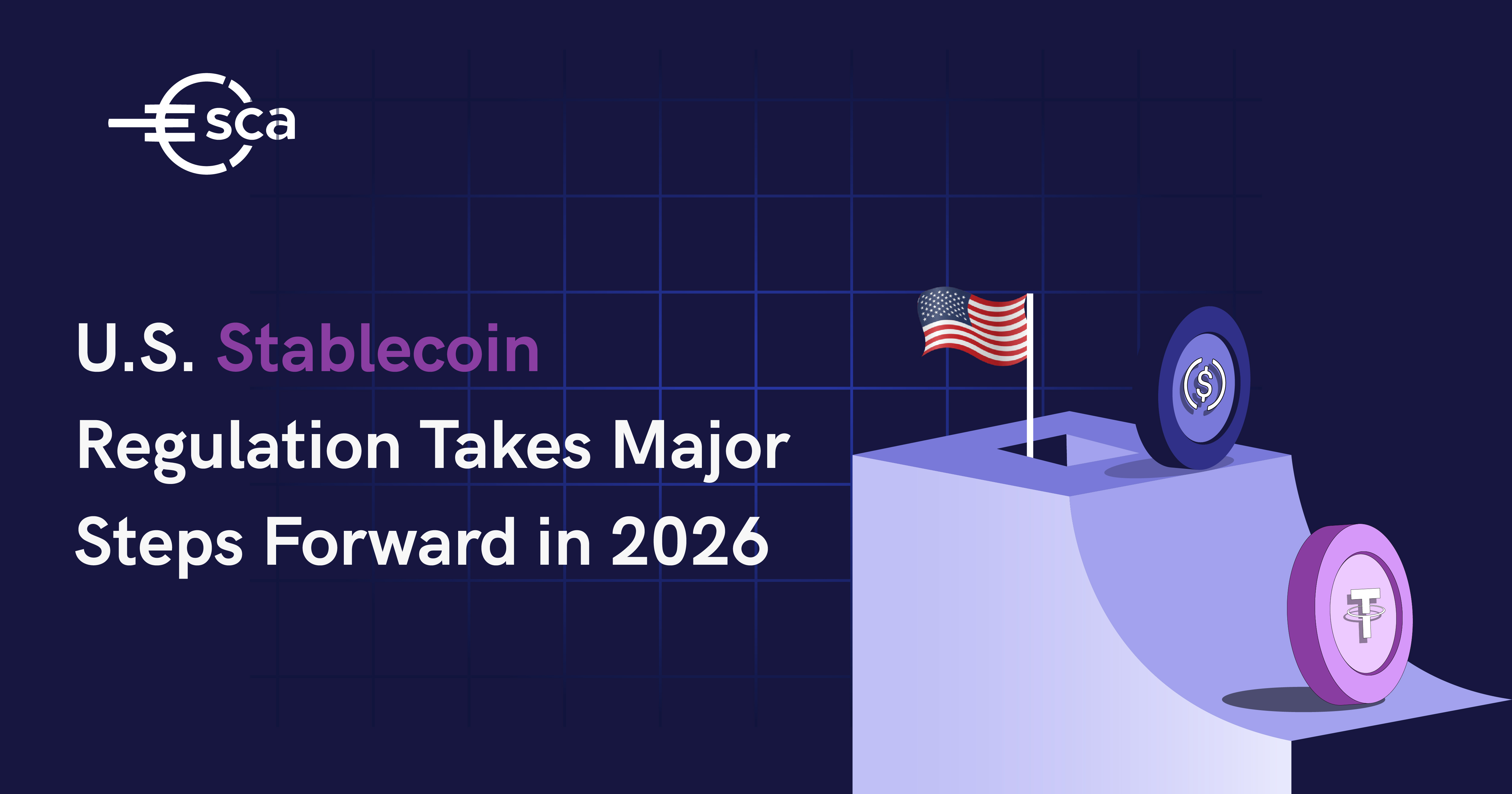
Leverage regulated stablecoin issuers
Prioritize stablecoins issued by entities operating under clear regulatory frameworks, such as those aligning with the GENIUS Act. These issuers typically maintain higher transparency standards, regular attestation reports, and segregated reserve accounts. Choosing regulated issuers reduces counterparty risk and ensures greater legal recourse in adverse scenarios. Institutions must verify the current licensing status of each provider, avoiding unregulated entities that may face sudden operational restrictions or insolvency without investor protection mechanisms. -

Optimize treasury with stablecoin rails
Treasury teams should replace traditional wire transfers with stablecoin rails to reduce settlement times from days to minutes. Using regulated issuers like Circle’s USDC ensures compliance while cutting FX conversion fees. This approach minimizes counterparty risk compared to unverified platforms. Finance directors must audit smart contract integrations carefully, ensuring liquidity providers maintain sufficient reserves. The operational efficiency gained outweighs the initial technical setup costs for high-volume international payables. -

Monitor regulatory changes in 2026
Regulatory landscapes shift rapidly, making continuous monitoring essential for stablecoin holders. Track updates from the SEC, EU’s MiCA framework, and global central banks to anticipate compliance hurdles. Sudden policy changes can impact liquidity or freeze assets in certain jurisdictions. Rely on official government publications rather than speculative news outlets. Proactive alignment with current laws protects corporate treasuries from unexpected legal penalties or operational disruptions in the evolving digital asset space.
Stablecoin trends and investment: what to check next
Addressing common misconceptions and emerging patterns in the stablecoin sector is essential for risk management. The following answers clarify how these assets function in 2026 and highlight the due diligence required for participation.



As an Amazon Associate, we may earn from qualifying purchases.
No comments yet. Be the first to share your thoughts!