

Why exporters need AI stablecoin trading 2026
The conversation around stablecoins has shifted from theoretical potential to operational reality. In 2026, cross-border payments are no longer just about speed; they are about precision and programmability. For exporters, this means moving beyond simple transfers to integrated financial workflows that reduce friction at every touchpoint.
AI-driven stablecoin strategies are becoming the standard for managing FX risk in volatile markets. By leveraging pegged assets like EURC and JPYC, businesses can settle invoices in their exact functional currency without the latency and hidden fees of traditional correspondent banking. This is not a speculative play; it is a structural upgrade to the B2B payment rail.
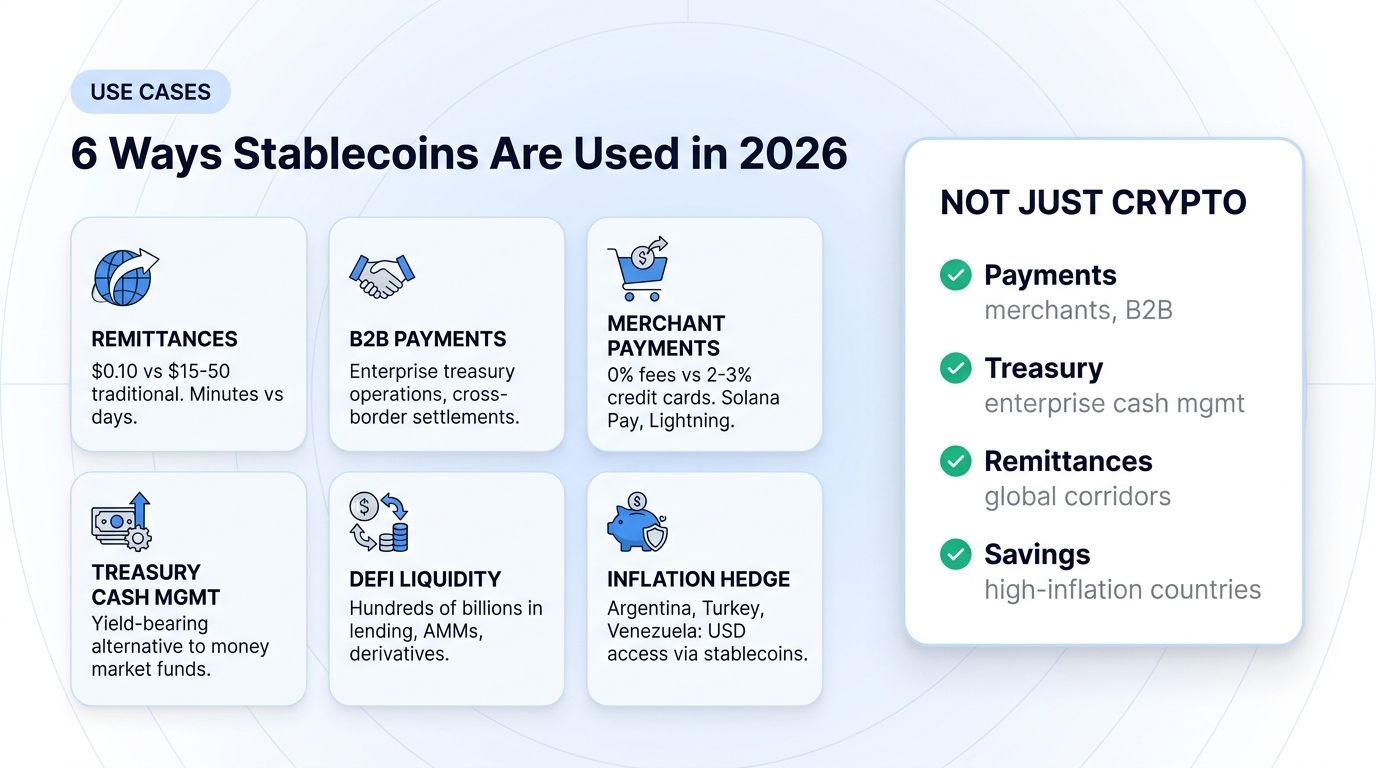
Industry analysts predict that stablecoins will increasingly function as core payments infrastructure rather than niche crypto assets. This shift allows exporters to automate treasury operations and execute real-time settlements, effectively turning payment processing into a competitive advantage rather than a cost center.
Exporters who adopt these strategies early are positioning themselves to handle global trade with the same agility that digital-native companies have enjoyed for years. The tools are here, and the regulatory clarity is improving, making this the right time to integrate AI-driven stablecoin trading into your export operations.
5 AI Stablecoin Strategies for Exporters in 2026
Exporters in 2026 face heightened regulatory scrutiny and currency volatility, making AI-driven stablecoin integration a compliance imperative rather than a speculative option. This roundup identifies five concrete software solutions that automate hedging, reduce FX risk, and ensure transactional transparency for global trade.
-

Automated FX hedging with AI agents
Deploy AI agents to monitor currency volatility and execute instant stablecoin conversions, eliminating manual intervention delays. These systems analyze market trends to lock in favorable rates before fluctuations erode margins. By automating hedging, exporters reduce exposure to sudden FX swings while maintaining liquidity. This precision approach transforms treasury management into a proactive defense against currency risk, ensuring predictable cash flows regardless of global economic turbulence. -

Yield generation on regulated stablecoins
Park idle working capital in regulated stablecoin pools to earn yield while maintaining liquidity for operations. Unlike traditional zero-interest accounts, compliant digital assets offer competitive returns without locking funds in long-term deposits. Exporters can access this capital instantly for payroll or supplier payments, blending safety with profitability. This strategy turns dormant cash into an active revenue stream, enhancing overall financial efficiency while adhering to strict regulatory frameworks for asset protection. -
AI-optimized cross-border settlement
Leverage AI algorithms to select the most efficient payment rails for each transaction, minimizing fees and settlement times. These systems evaluate network congestion, regulatory requirements, and exchange rates in real-time to route funds optimally. Exporters benefit from faster cash conversion cycles and reduced transaction costs. By automating the selection of settlement paths, businesses ensure that cross-border payments are both swift and cost-effective, enhancing competitiveness in global markets. -

Compliance automation for regulatory safety
Implement AI-driven compliance tools to automatically screen transactions against evolving global sanctions and AML regulations. These systems monitor payment patterns and flag anomalies instantly, reducing the burden on legal teams. Exporters gain peace of mind knowing that every transaction adheres to current laws, mitigating the risk of hefty fines or account freezes. This proactive approach ensures that growth does not come at the cost of regulatory integrity or operational continuity. -
Machine-to-machine payments with AI agents
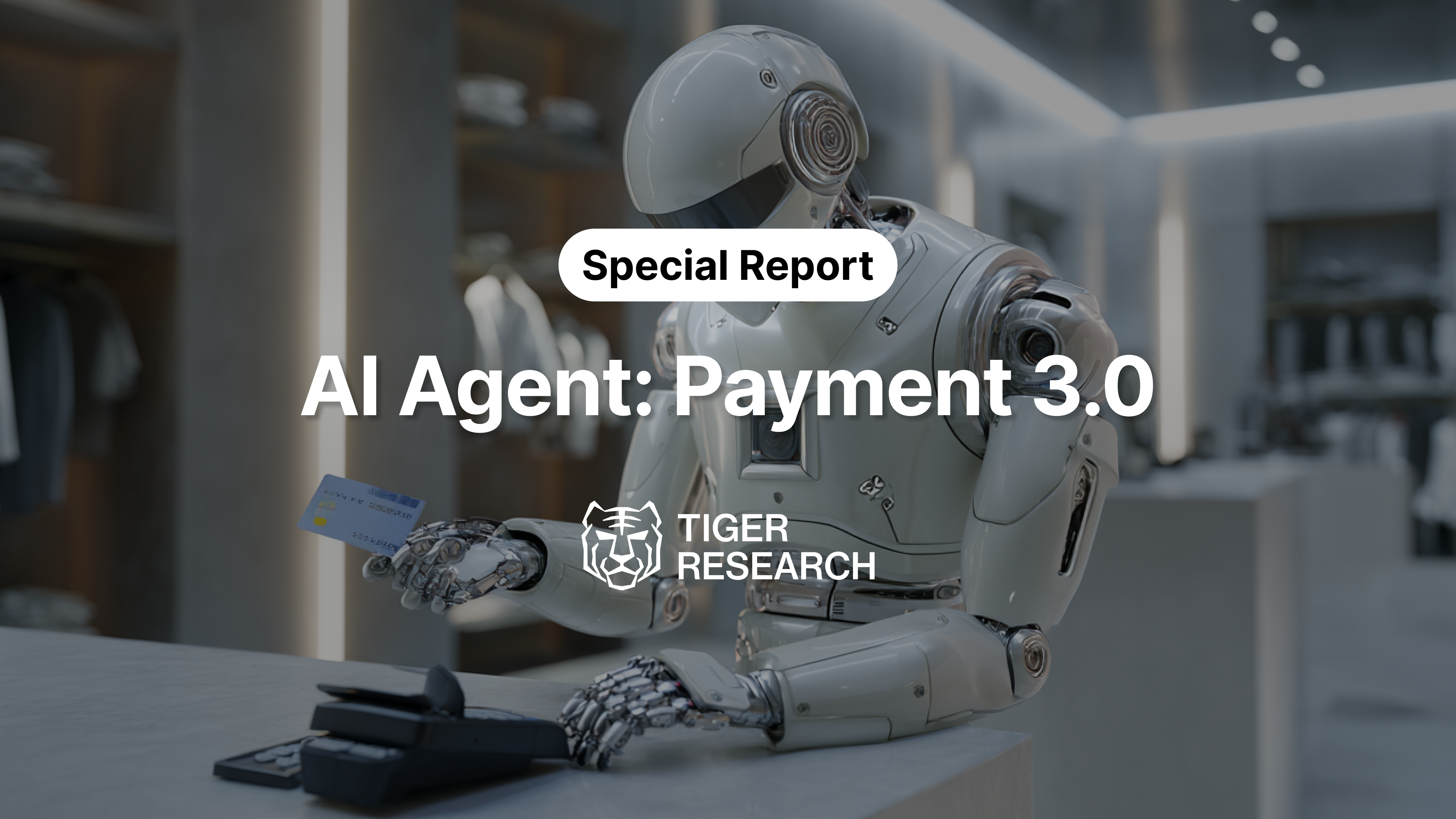
Enable seamless, automated payments between business systems using AI agents that negotiate and execute transactions without human input. This is ideal for recurring subscriptions, supply chain restocking, or IoT device services. By removing manual invoicing steps, exporters reduce administrative overhead and accelerate cash flow. This infrastructure supports scalable, high-volume B2B interactions, allowing companies to focus on core growth strategies while AI handles the intricate details of financial exchanges.
Best AI stablecoin tools for 2026
The market has shifted from theoretical speculation to practical deployment. Exporters now rely on specialized software to manage cross-border settlements, automate compliance, and execute trades without the friction of traditional banking hours. The following tools represent the current standard for AI-driven stablecoin management.
1. AI Trading Bots Automated trading platforms use machine learning to execute high-frequency arbitrage across decentralized exchanges. These bots monitor price discrepancies between fiat and stablecoin pairs, allowing exporters to capture value during volatility. They operate continuously, removing the need for manual market watching.
2. Stablecoin Management Platforms Treasury management tools provide a single dashboard for monitoring multi-chain stablecoin holdings. These platforms integrate with ERP systems to reconcile invoices automatically. They offer real-time visibility into USDC, USDT, and other regulated assets across different blockchains.
3. Compliance Screening Software Regulatory scrutiny requires rigorous Know Your Customer (KYC) and Anti-Money Laundering (AML) checks. AI screening tools analyze transaction patterns and wallet addresses in real-time. They flag suspicious activity before funds are moved, ensuring exporters remain compliant with global sanctions lists.
4. Cross-Border Payment Gateways Payment processors like Stripe and PayPal have integrated stablecoin rails to facilitate instant settlements. These gateways convert fiat to stablecoins at the point of sale and settle with the exporter’s bank account. They reduce settlement times from days to seconds while maintaining familiar user interfaces.
5. AI Agent Frameworks Emerging agent frameworks enable autonomous machine-to-machine payments. AI agents can negotiate contracts and execute stablecoin transfers without human intervention. This is particularly useful for subscription-based services and automated supply chain payments.



As an Amazon Associate, we may earn from qualifying purchases.
Frequently asked questions about AI stablecoin trading 2026
What are the trends in stablecoin 2026? Stablecoins are becoming a global payment rail. The strongest momentum in 2026 comes from payments. Cross-border transfers, remittances, B2B settlements, and treasury operations increasingly run through stablecoin infrastructure because the efficiency gains are immediate.
Will AI agents use stablecoins? AI agents need stablecoin payments because traditional card networks were designed for human-scale economics. Those systems rely on percentage-plus-fixed interchange, T+1 banking-hours settlement, and static card-rule programmability. AI agents break each of those assumptions in turn.
Are AI and stablecoins winning despite the 2026 crypto market slump? Yes. AI and stablecoin segments have outperformed the broader crypto market in 2026. Data points to continued usage growth despite the slump, as exporters prioritize reliable, automated settlement over speculative trading.
No comments yet. Be the first to share your thoughts!