
Stablecoins in 2026: What Changed
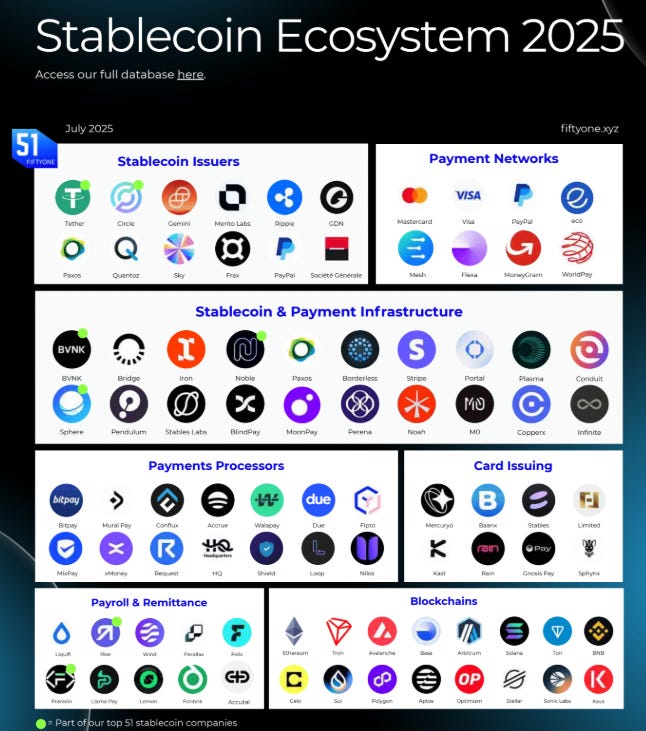
The stablecoin market has shifted from a frontier experiment to a regulated financial layer. In 2026, the focus is no longer just on price stability, but on transparency, regulatory compliance, and yield potential within a clearer legal framework. This guide ranks the top five stablecoins based on market depth, audit history, and real-world utility.
We selected these assets by filtering for those with over $10 billion in circulating supply and regular third-party attestation of their reserve assets. We prioritized coins that offer accessible yield opportunities through regulated lending protocols or institutional-grade savings products, rather than opaque DeFi schemes. The goal is to identify which stablecoins offer the best balance of safety and return for your portfolio in the current regulatory environment.
5 Stablecoins for 2026: How to Maximize Yield in a Regulated Crypto Market
With regulatory frameworks solidifying in 2026, yield opportunities for stablecoins now hinge on transparency and compliance rather than speculative risk. We evaluated five top-tier stablecoins based on reserve audits, regulatory standing, and actual yield mechanics to help you maximize returns safely.
1. USDC: Regulatory Compliance and Circle Reserves
USDC stands out for its strict adherence to regulatory frameworks, making it a preferred choice for institutional investors seeking safety. Circle maintains fully reserved assets, primarily in cash and short-term U.S. Treasuries, ensuring transparency through monthly attestations. This structure minimizes counterparty risk, offering a stable foundation for yield strategies in a heavily regulated 2026 market environment.

2. USDT: Liquidity Depth and Exchange Integration
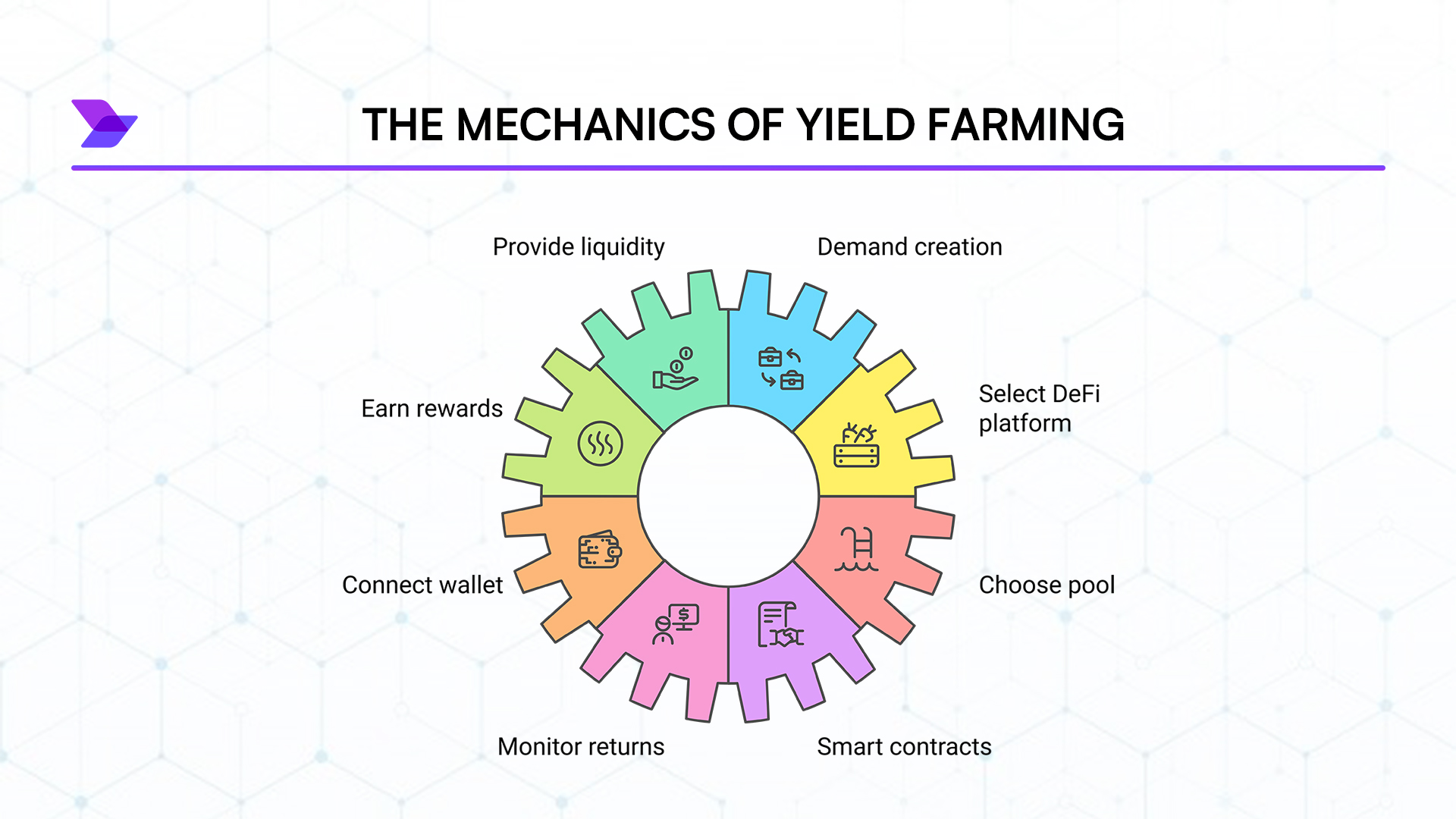
Tether (USDT) dominates trading pairs due to its unparalleled liquidity across global exchanges. Its deep integration into major trading platforms allows for seamless entry and exit, crucial for capturing high-yield opportunities that vanish quickly. While regulatory scrutiny persists, its market depth remains unmatched, providing the necessary volume for large-scale yield farming strategies without significant slippage.

3. DAI: Decentralized Overcollateralization and MakerDAO Governance
DAI offers a decentralized alternative, backed by overcollateralized crypto assets managed through MakerDAO governance. This model reduces reliance on traditional banking systems, appealing to users prioritizing censorship resistance. Yield opportunities arise from generating DAI against collateral, with risks mitigated by robust collateralization ratios and community-driven stability fees, ensuring long-term peg stability.

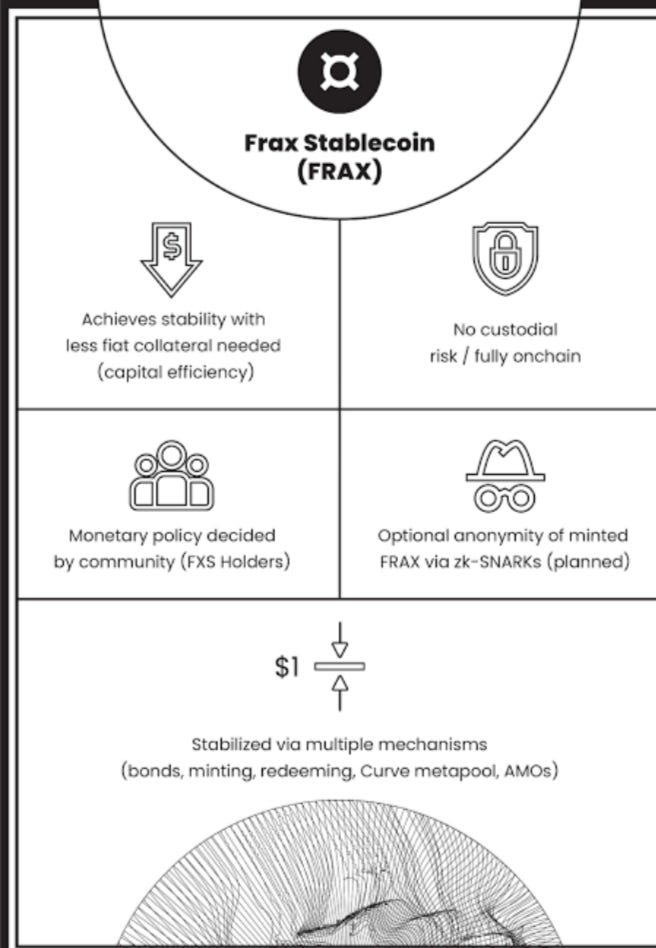
4. FRAX: Hybrid Algorithmic Stability and Frax Finance
FRAX utilizes a hybrid model combining algorithmic stability with real-world asset collateralization. This approach balances decentralization with stability, offering unique yield opportunities through its fractional-algorithmic design. Users can participate in Frax Finance’s ecosystem, leveraging its flexible collateral ratios to optimize returns while maintaining peg stability through market mechanisms and governance.
5. GUSD: Gemini Custody and Full Reserve Audits
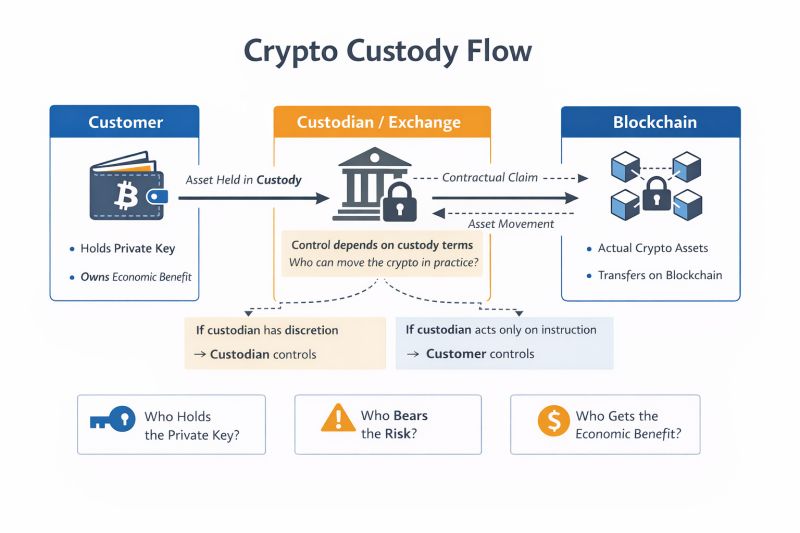
Gemini Dollar (GUSD) emphasizes security through full reserve audits and custody by Gemini, a regulated exchange. This focus on compliance and transparency appeals to risk-averse investors. GUSD’s strict regulatory adherence ensures that reserves are fully backed, providing a secure environment for yield generation while minimizing exposure to the volatility and uncertainty associated with less regulated stablecoins.
How to pick the right stablecoin
Choosing a stablecoin is less about finding the highest yield and more about matching the asset to your risk tolerance and use case. In 2026, the regulatory landscape favors coins with clear reserves and transparent audits. You need a framework that separates trading liquidity from savings security.
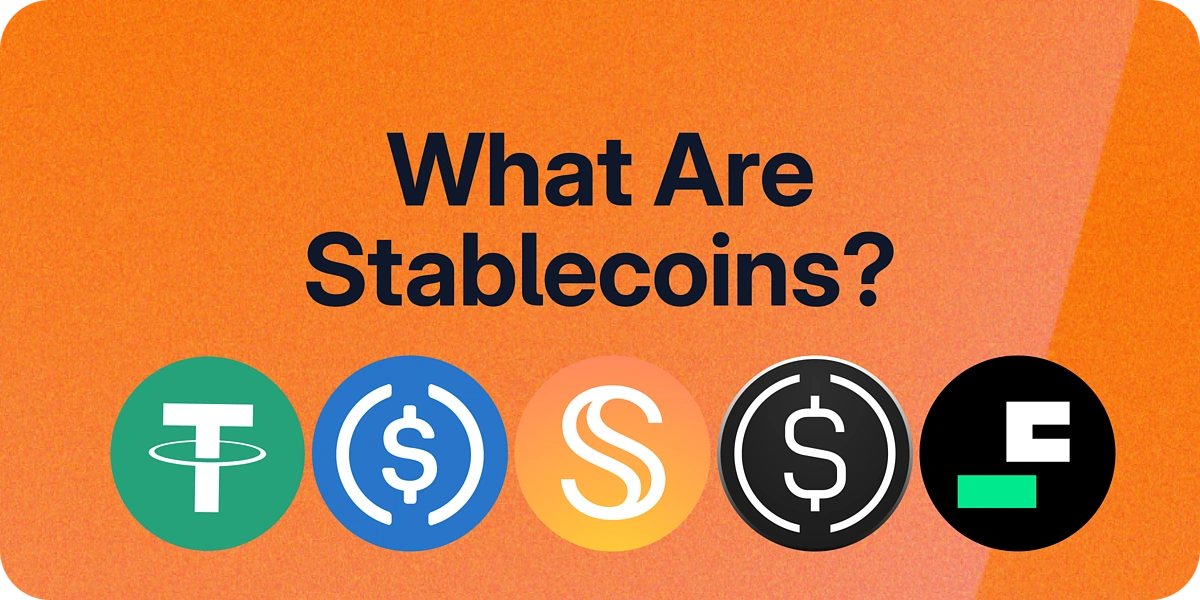
Prioritize stablecoins that publish monthly or quarterly attestation reports from major accounting firms. USDC and USD1 lead here, offering visibility into the backing assets. Avoid coins with opaque reserve structures, as regulatory scrutiny in 2026 makes hidden liabilities a critical risk.
If you need to trade frequently or move large sums, Tether (USDT) remains the standard for liquidity. Its deep order books minimize slippage. However, for long-term savings or yield farming, USDC offers a safer collateral base with comparable liquidity on most regulated platforms.
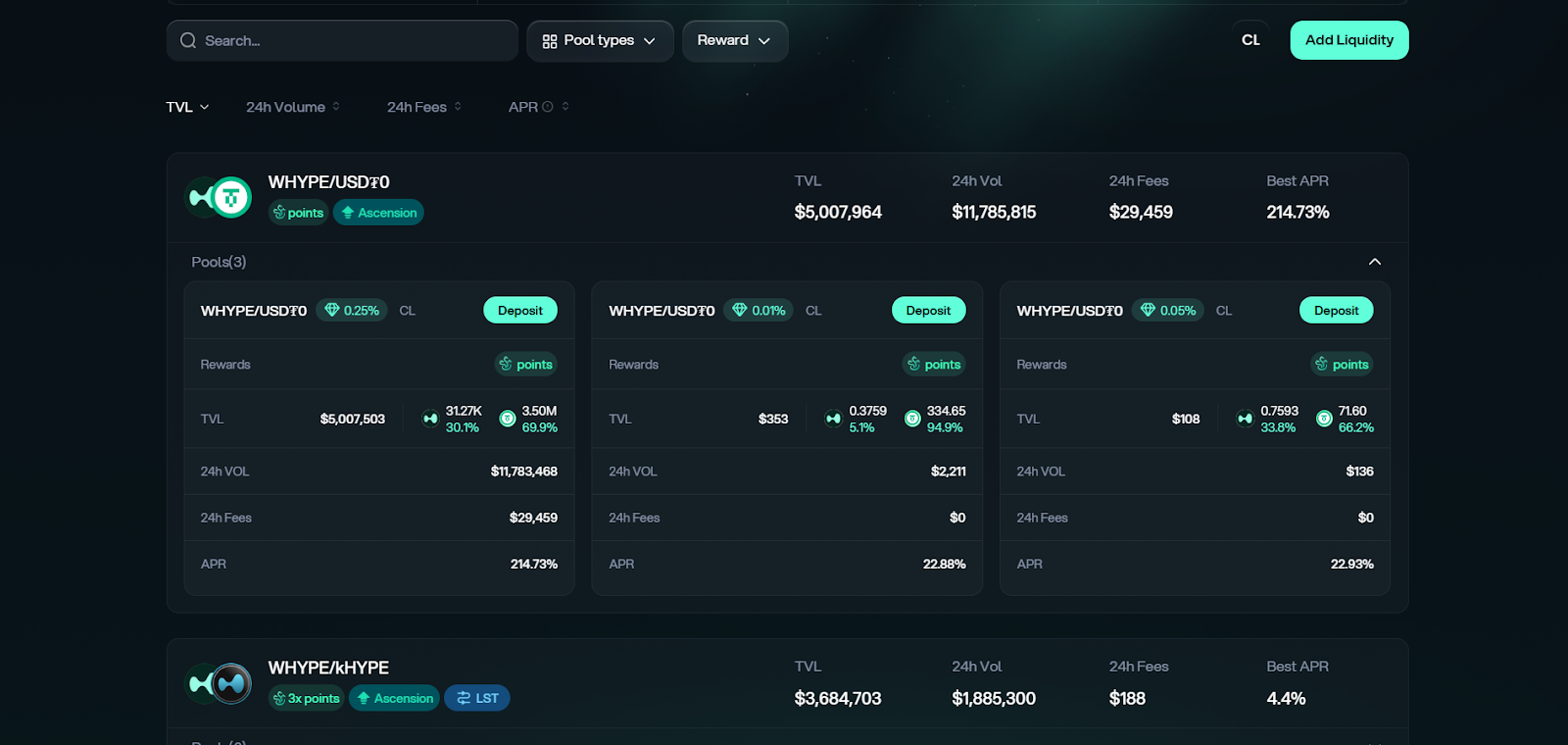
Regulatory clarity is the primary differentiator in 2026. Choose stablecoins issued by entities that comply with local financial regulations, such as the US Money Transmitter licenses or EU MiCA frameworks. This compliance protects your holdings from sudden delistings or frozen accounts.
| Stablecoin | Best For | Transparency |
|---|---|---|
| Tether (USDT) | Trading & Liquidity | Monthly Attestation |
| USD Coin (USDC) | Savings & Yield | Quarterly Audit |
| USD1 | Growth & Yield | Quarterly Audit |

As an Amazon Associate, we may earn from qualifying purchases.
The right choice depends on whether you prioritize trading speed or savings safety. Use this checklist before committing capital.
FAQ: Stablecoin Questions for 2026
What is the best stablecoin in 2026? Tether (USDT) remains the largest stablecoin by market cap, powering the majority of trading volume. However, for safety and transparency, USDC is often the preferred choice for holding value, while USD1 offers growth potential for those seeking yield in a regulated market.
Are stablecoins safe to hold? Stablecoins are generally safer than volatile cryptocurrencies because they are pegged to assets like the US dollar. In 2026, regulatory scrutiny has increased, meaning compliant issuers like Circle (USDC) and Tether (USDT) are required to maintain higher reserves and transparency standards.
Can I earn yield on stablecoins? Yes. Many exchanges and DeFi protocols offer yield on stablecoin holdings. USDC and USDT are the most liquid options for earning interest through staking or lending, though yields fluctuate based on market demand and regulatory changes.
Which stablecoin is best for payments? USDC is widely accepted for payments due to its regulatory compliance and lower risk of depegging. Tether (USDT) is also heavily used for cross-border transactions because of its deep liquidity across most major exchanges and trading pairs.
No comments yet. Be the first to share your thoughts!