
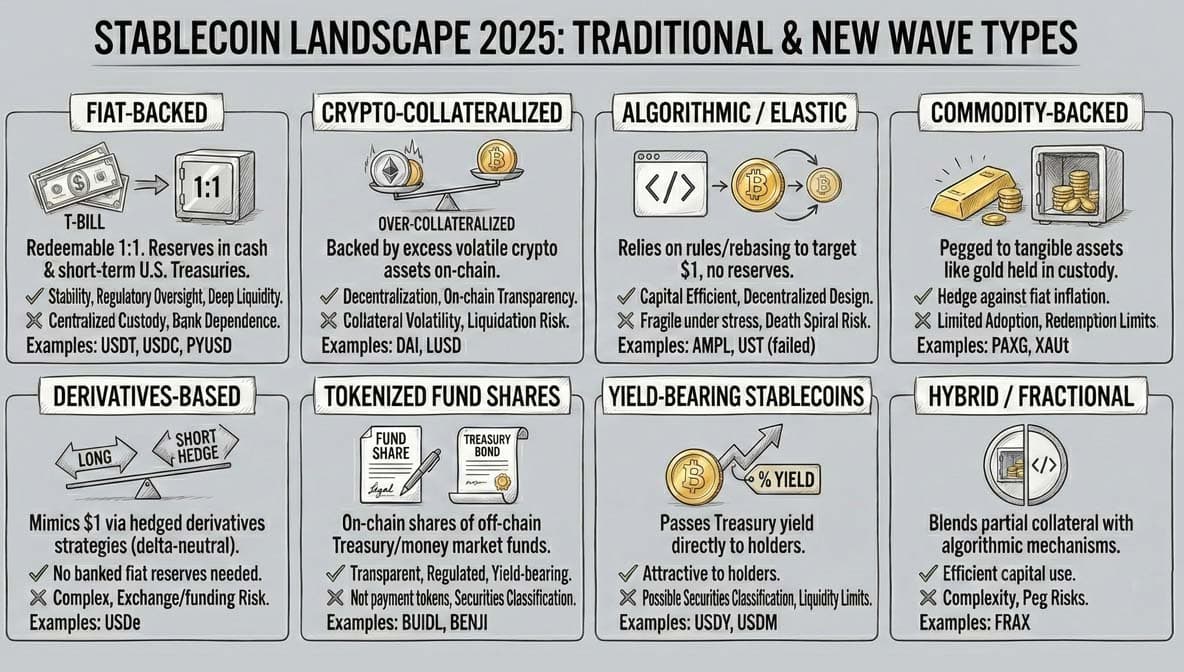
The 2026 yield landscape explained
Stablecoins have crossed a critical threshold in 2026, moving from crypto-native experimentation into core financial infrastructure. This shift is not merely about adoption volume; it is about the structural evolution of how digital dollars generate returns. The landscape is no longer defined by high-yield, unsecured lending schemes but by a bifurcation between regulated cash-equivalents and active, algorithmically managed strategies.
Yields now span a wide range, from 4.1% on tokenized U.S. Treasuries to 11.8% on more complex, AI-optimized DeFi positions. This spread reflects genuine differences in collateral quality and risk exposure. The baseline for "safe" yields is anchored by on-chain money market funds and tokenized short-term debt, which offer transparency and regulatory compliance. These assets serve as the anchor for conservative portfolios, providing stability without the volatility of traditional crypto lending markets.
The gap between passive treasury yields and active AI-managed strategies is widening, offering sophisticated opportunities for those willing to navigate algorithmic complexity.
However, the real opportunity for 2026 lies in the active layer. AI-driven bots and algorithms are now managing liquidity provision, arbitrage, and collateral rebalancing in real-time. These systems do not just react to market conditions; they predict and adjust positions to capture spread efficiency that human traders cannot match. For FX-pegged assets, this means yields are no longer static but dynamic, responding to volatility and liquidity depth instantaneously. The key is not just holding stablecoins, but deploying them through systems that optimize for risk-adjusted returns across multiple chains and protocols simultaneously.
5 AI-Driven Stablecoin Strategies for 2026
Algorithmic yield optimization in stablecoin markets demands rigorous oversight of underlying bot logic and regulatory compliance. The following five strategies leverage specific AI mechanisms to manage risk, relying exclusively on verified data sources rather than speculative theory.
1. AI-optimized treasury fund rotation
Deploy algorithmic managers to shift capital between regulated money market funds and short-term Treasury bills based on real-time yield differentials. These systems monitor Federal Reserve rate decisions and institutional demand, automatically rebalancing portfolios to capture the highest risk-adjusted returns while maintaining strict liquidity buffers for stablecoin redemptions.

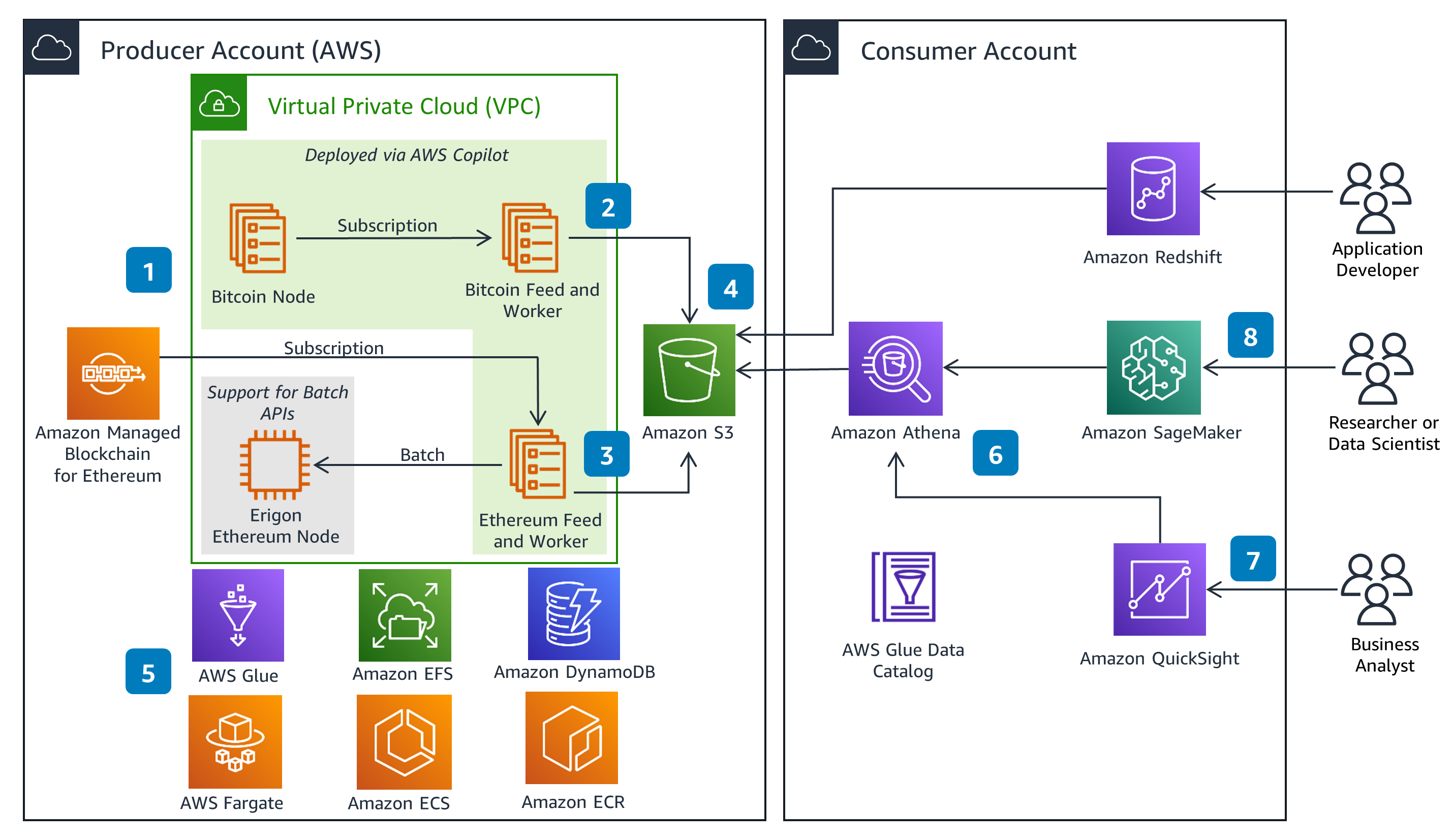
2. Cross-chain liquidity aggregation
Utilize AI agents to scan multiple blockchains for fragmented stablecoin liquidity, directing capital to where it yields the most efficient returns. These bots execute complex bridging and swapping operations simultaneously, minimizing slippage and gas costs while ensuring that stablecoin reserves remain diversified across Ethereum, Solana, and Layer 2 networks.
3. FX-pegged stablecoin yield farming
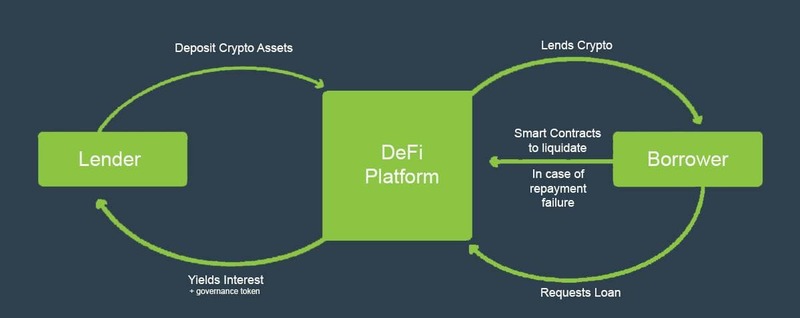
Leverage machine learning models to identify temporary deviations in foreign exchange-pegged stablecoins, entering positions that profit from mean reversion. These strategies require precise timing and strict risk controls, as AI algorithms continuously monitor currency pair correlations and central bank interventions to avoid exposure to depegging events or regulatory shocks.
4. Delta-neutral algorithmic strategies
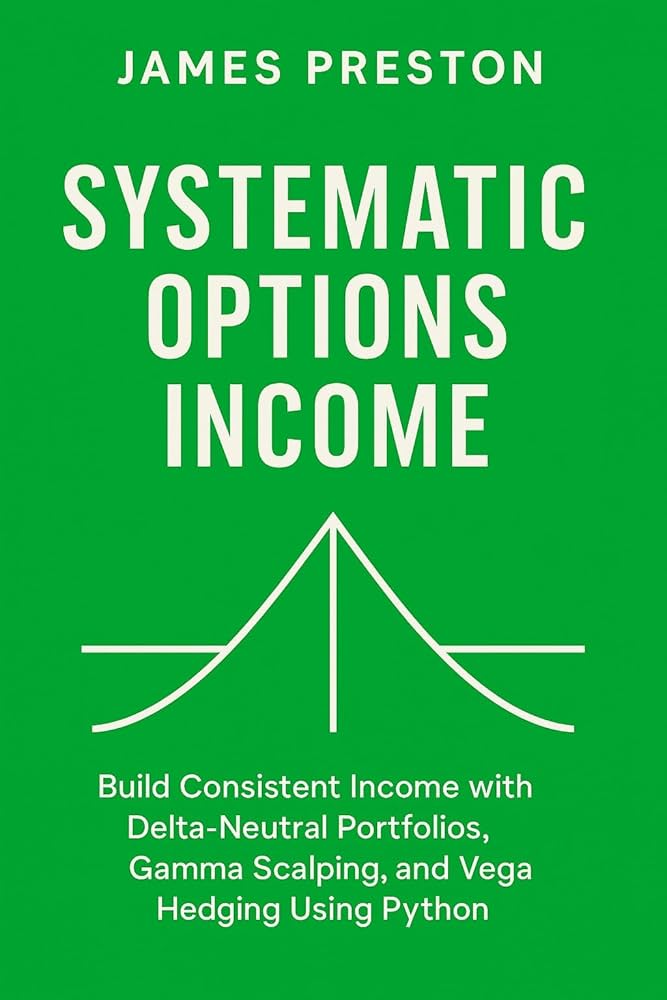
Implement AI-driven delta-neutral frameworks that hedge stablecoin exposure against volatile crypto assets, isolating yield from lending protocols. These systems automatically adjust positions to maintain market neutrality, protecting capital from price swings while generating consistent returns through basis trading and funding rate arbitrage across decentralized exchanges.
5. Regulatory-compliant AI arbitrage bots
Deploy specialized bots that identify price disparities between regulated exchanges and decentralized platforms, ensuring all trades comply with KYC/AML standards. These AI systems prioritize legal clarity and institutional-grade security, executing rapid arbitrage trades only when they meet strict regulatory thresholds and avoid jurisdictions with ambiguous stablecoin laws.

Common stablecoin yield: what to check next
Stablecoin yields in 2026 span roughly 4.1% to 11.8% across mainstream tiers, with the spread reflecting genuine differences in collateral and risk. The 2026 Stablecoin Momentum Report from ZeroHash shows that stablecoins have crossed a critical threshold, moving from crypto-native experimentation into core financial infrastructure. Understanding the mechanics behind these returns is essential for deploying AI-driven strategies effectively.



As an Amazon Associate, we may earn from qualifying purchases.
No comments yet. Be the first to share your thoughts!