
Stablecoins in 2026
Choosing a stablecoin in 2026 requires looking past market capitalization alone. The landscape has shifted from pure volume to regulatory compliance and reserve transparency. We evaluated the top candidates based on three concrete factors: reserve backing quality, regulatory standing in major jurisdictions, and yield availability for holders.
Our selection process prioritized coins with verifiable, real-time attestations. We excluded assets with opaque reserve structures or those facing active regulatory scrutiny. The goal is to identify stablecoins that offer safety without sacrificing the utility needed for trading or yield generation.
The following five stablecoins represent the current standard for safety and compliance. Each entry includes a brief assessment of its reserve model and current market standing.
5 USD-Backed Stablecoins in 2026: Safety, Yields, and Regulatory Compliance
We evaluated five major USD-backed stablecoins against 2026 regulatory frameworks, focusing on reserve transparency and yield sustainability. This analysis prioritizes compliance with evolving financial regulations and concrete safety metrics over speculative returns.
1. USDC: Circle’s Regulatory Clarity and Reserve Transparency
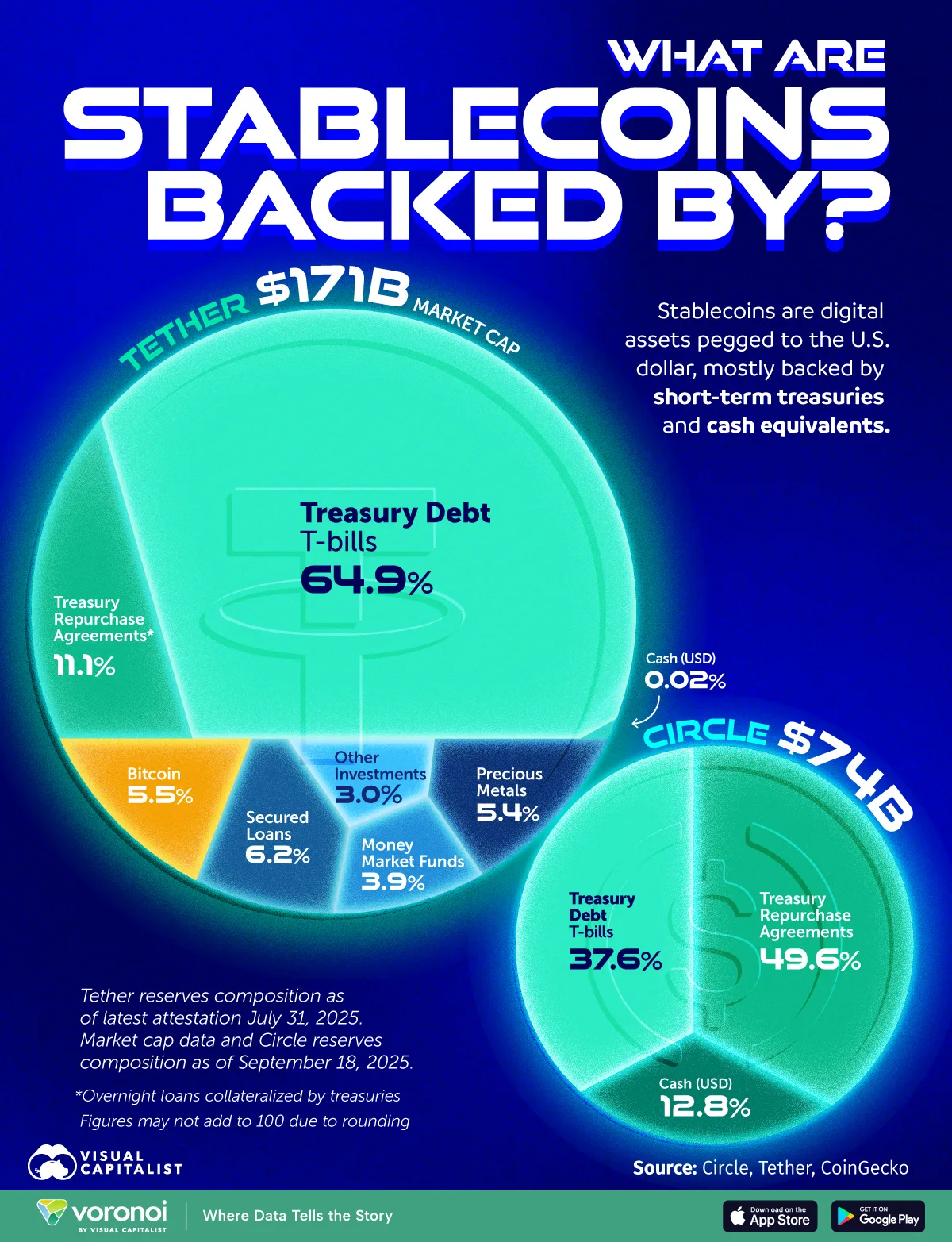
USDC stands out for its commitment to regulatory compliance and transparent reserve reporting. Circle publishes monthly attestations, ensuring reserves are held in cash and short-term U.S. Treasuries. This structure appeals to institutional users seeking predictable, compliant digital dollar exposure without hidden risks or opaque accounting practices.

2. USDT: Tether’s Liquidity Dominance and Audit Scrutiny
Tether remains the most liquid stablecoin, dominating trading pairs across global exchanges. While its reserve composition has faced scrutiny, recent reports indicate significant holdings in U.S. Treasury bills. Traders prioritize USDT for its deep market depth, accepting the trade-off of higher regulatory uncertainty for unmatched transactional velocity and availability.

3. PYUSD: PayPal’s Compliance Integration and User Base
PayPal USD (PYUSD) leverages the massive existing user base of its parent platform for seamless fiat on-ramps. Issued on the Polygon blockchain, it emphasizes strict adherence to U.S. money transmission laws. Users benefit from integrated checkout flows, making PYUSD a practical choice for e-commerce and everyday digital payments within the PayPal ecosystem.

4. FDUSD: First Digital’s Exchange-Backed Stability Model
First Digital USD (FDUSD) operates as an exchange-backed stablecoin, primarily integrated with First Digital Exchange. Its model relies on full backing by cash and cash equivalents to maintain peg stability. This structure offers lower fees for high-frequency traders within the exchange ecosystem, though it presents centralization risks compared to decentralized alternatives.

5. GUSD: Gemini’s Fully Reserved Banking Partnerships
Gemini Dollar (GUSD) is issued by the regulated exchange Gemini, focusing on fully reserved banking partnerships. It undergoes regular audits and maintains strict compliance with New York State regulations. GUSD appeals to users prioritizing institutional-grade security and banking relationships, offering a stable, compliant option for long-term holding and enterprise settlements.

How to pick the right USD-backed stablecoin
Choosing between USDC, USDT, or other USD-pegged tokens requires matching the asset to your specific use case. No single stablecoin is perfect for every scenario. The right choice depends on where you plan to hold the asset, how you intend to use it, and the regulatory environment of your jurisdiction.
Prioritize issuers that publish regular attestation reports or undergo formal audits. USDC (Circle) and USDP (Paxos) maintain transparent reserve structures that align with U.S. financial regulations. In contrast, Tether (USDT) has faced scrutiny over reserve composition. If regulatory clarity is your primary concern, stick to issuers with established U.S. compliance frameworks.
USDT remains the most liquid stablecoin across global exchanges, making it ideal for high-frequency trading. USDC offers deep liquidity on major U.S. platforms but may have slightly narrower spreads on smaller international venues. If you trade frequently, check which coin has the tightest bid-ask spread on your preferred exchange to minimize slippage costs.
Some issuers offer built-in yield mechanisms, while others require you to stake or lend your holdings on third-party platforms. USDC yields are often tied to Treasury bill rates through regulated entities. USDT yields are typically generated through decentralized lending protocols, which carry higher smart contract risk. Assess whether you prioritize regulatory safety or higher potential returns.

Ensure the stablecoin is supported by your primary wallets and the exchanges where you plan to deposit or withdraw funds. USDT and USDC are widely supported, but some niche platforms may favor one over the other. Verify network compatibility (ERC-20, TRC-20, Solana, etc.) to avoid unnecessary bridge fees or transfer delays.
| Feature | USDC | USDT |
|---|---|---|
| Regulatory Transparency | High (monthly attestations) | Moderate (quarterly reports) |
| Liquidity | High on U.S. exchanges | Highest globally |
| Yield Source | Treasury bills via regulated entities | Decentralized lending protocols |
| Network Support | ERC-20, Solana, Polygon | ERC-20, TRC-20, Solana |


As an Amazon Associate, we may earn from qualifying purchases.
No comments yet. Be the first to share your thoughts!