
Stablecoins 2026
Choosing a stablecoin in 2026 requires looking past marketing slogans to actual reserve backing and regulatory clarity. We evaluated five major USD-pegged assets based on three strict criteria: daily trading liquidity, legal compliance in major jurisdictions, and reserve transparency. This approach filters out speculative tokens, focusing only on stablecoins that function reliably for traders and institutions.
Selection logic prioritizes volume and legal standing. Tether (USDT) remains the dominant choice for centralized exchange trading, handling roughly $50–80 billion in daily spot volume across major platforms like Binance and OKX as of Q1 2026. USDC leads in regulatory transparency, appealing to users who prioritize legal compliance over sheer market dominance. We excluded tokens with opaque reserve structures or limited institutional adoption.
The following sections detail each stablecoin’s specific use case. We compare their yield opportunities, regulatory risks, and safety mechanisms to help you select the right tool for your portfolio.
5 USD-Backed Stablecoins to Watch in 2026: Yield, Regulation, and Safety Compared
With regulatory scrutiny intensifying in 2026, selecting a USD-backed stablecoin requires verifying reserve transparency and legal compliance. This roundup compares five major options based on current yield potential, regulatory standing, and safety protocols to help you make an informed choice.
Pick the right fit
Choosing a stablecoin comes down to what you need it to do. Some users prioritize speed and liquidity for trading, while others want yield or regulatory compliance. There is no single best option for every situation. The right choice depends on your specific use case, risk tolerance, and where you plan to hold the asset.
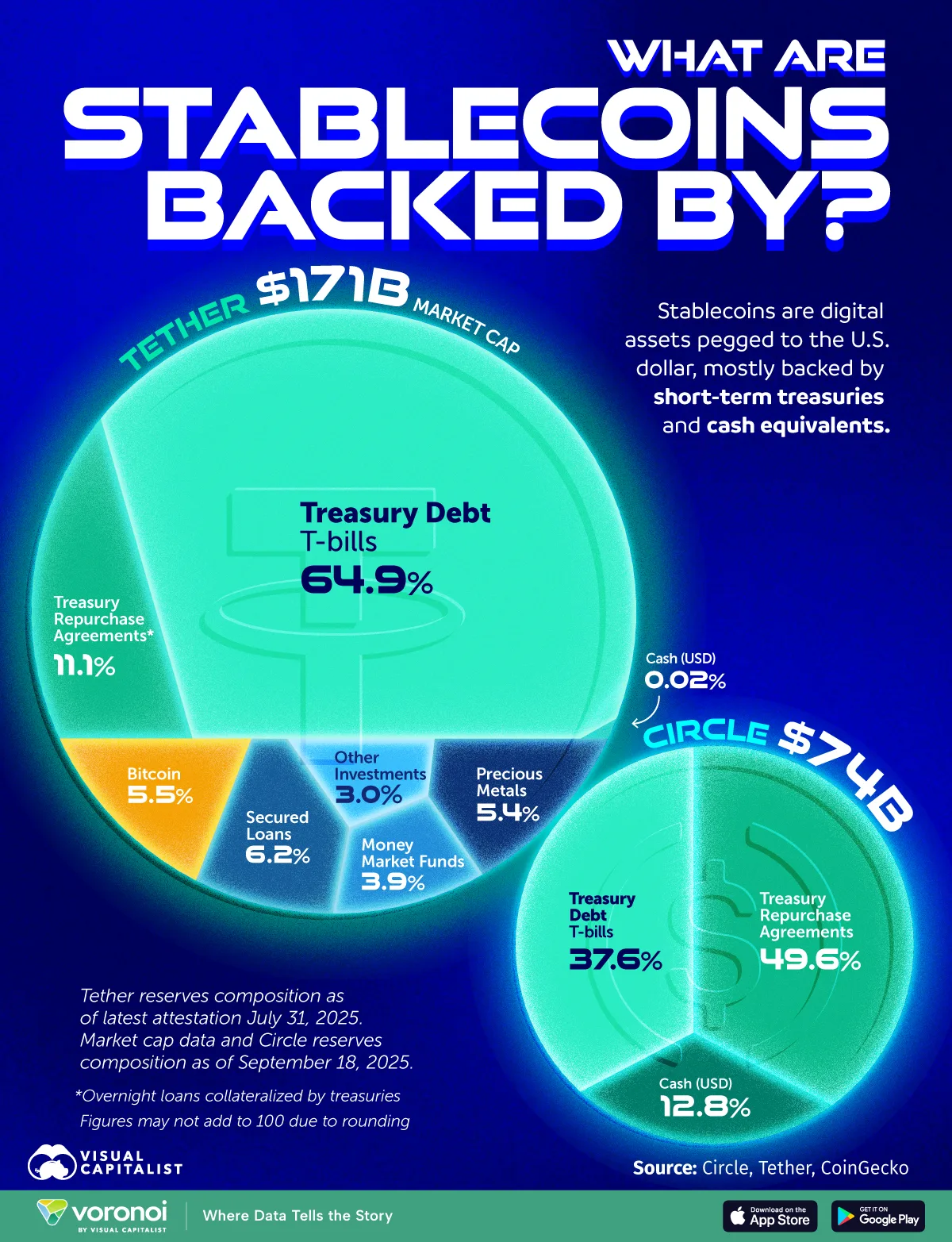
Not all stablecoins are equal. USDT and USDC are fully backed by cash and short-term government bonds. They undergo regular audits. Always verify the issuer provides transparent, up-to-date proof of reserves. Avoid stablecoins with opaque backing structures.
Some stablecoins offer built-in yield through staking or lending protocols. Others require you to move funds to a third-party platform. Be aware that higher yields often come with higher smart contract or counterparty risks. Only use yield features if you understand the mechanics.

Regulatory compliance affects stability. USDC is fully regulated in the US. USDT operates with more flexibility but faces scrutiny. Check if the stablecoin issuer is subject to oversight in your jurisdiction. This can impact access and legal protection.
Liquidity varies significantly across blockchains. USDT is ubiquitous on Tron and Solana, making it ideal for low-cost transfers. USDC dominates on Ethereum and Arbitrum. Ensure your chosen stablecoin is supported on the networks you actively use to avoid bridge risks or high gas fees.
The financial health of the issuer is critical. Circle (USDC) and Tether (USDT) are public companies with disclosed financials. Decentralized options like DAI rely on over-collateralization. For institutional-grade safety, prefer issuers with strong balance sheets and clear legal entities in stable jurisdictions.
| Stablecoin | Backing | Yield | Regulation |
|---|---|---|---|
| USDT | Cash & Bonds | Via 3rd party | Global |
| USDC | Cash & Treasuries | Via 3rd party | US Regulated |
| DAI | Crypto Collateral | Via MakerDAO | Decentralized |
| USDP | Cash & Treasuries | Via 3rd party | NY Regulated |
| GUSD | Cash & Treasuries | Via 3rd party | NY Regulated |



As an Amazon Associate, we may earn from qualifying purchases.
No comments yet. Be the first to share your thoughts!