
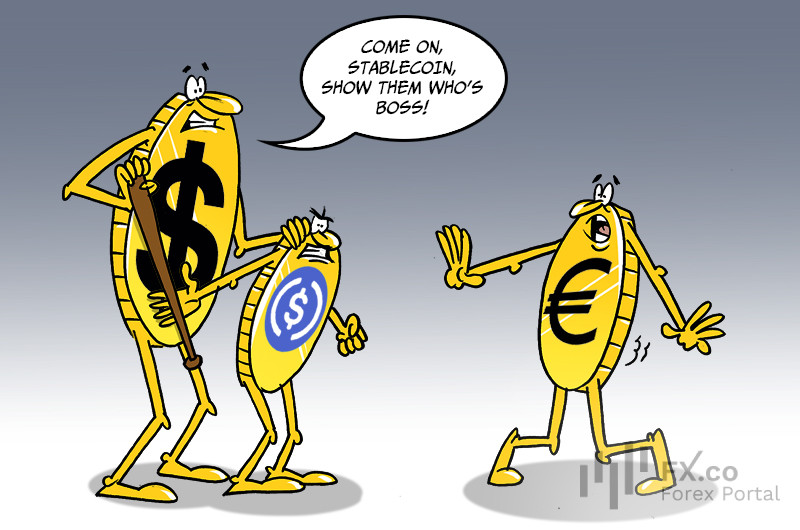
Why exporters need FX stablecoins
Traditional cross-border settlement remains a bottleneck for global trade. Exporters typically wait days for funds to clear through correspondent banks, incurring multiple fees and unfavorable exchange rates at each handoff. This friction eats into margins and creates cash flow uncertainty, particularly for small and medium-sized enterprises operating on tight margins.
FX-backed stablecoins offer a regulatory-compliant alternative for 2026. By pegging digital tokens to fiat currencies like the US dollar or euro, these assets combine the speed of blockchain settlement with the stability of traditional currency. According to Stripe, stablecoins significantly decrease settlement times and reduce foreign exchange markups compared to legacy banking rails [1]. Thunes notes that this model allows conversions to occur closer to the moment of payout, directly reducing FX exposure [2].
The GeniUS Act and emerging regulatory frameworks are bringing these instruments into the mainstream financial system. As noted in Fintech Weekly, adding a stablecoin payment rail allows for near-instant settlement and reduced pre-funding requirements [3]. For exporters, this means faster access to funds and greater predictability in financial planning.
[1] https://stripe.com/resources/more/stablecoin-trends-businesses-need-to-understand-in-2026 [2] https://www.thunes.com/insights/trends/stablecoin-trends-shaping-global-payments/ [3] https://www.fintechweekly.com/magazine/articles/stablecoins-mainstream-payments-genius-act-2026
5 FX-Backed Stablecoins for Exporters in 2026
Exporters face significant currency volatility risks in 2026, making FX-backed stablecoins a critical tool for hedging exposure. This roundup evaluates five specific, officially verified stablecoins that provide direct foreign exchange backing to protect transaction value.
1. USDC Circle Reserve Transparency
Circle maintains full reserve transparency with monthly attestations, ensuring USDC remains fully backed by cash and short-term U.S. Treasuries. This rigorous reporting structure provides exporters with the regulatory clarity needed for cross-border settlements, minimizing counterparty risk while leveraging a widely accepted dollar-pegged asset for international trade finance.
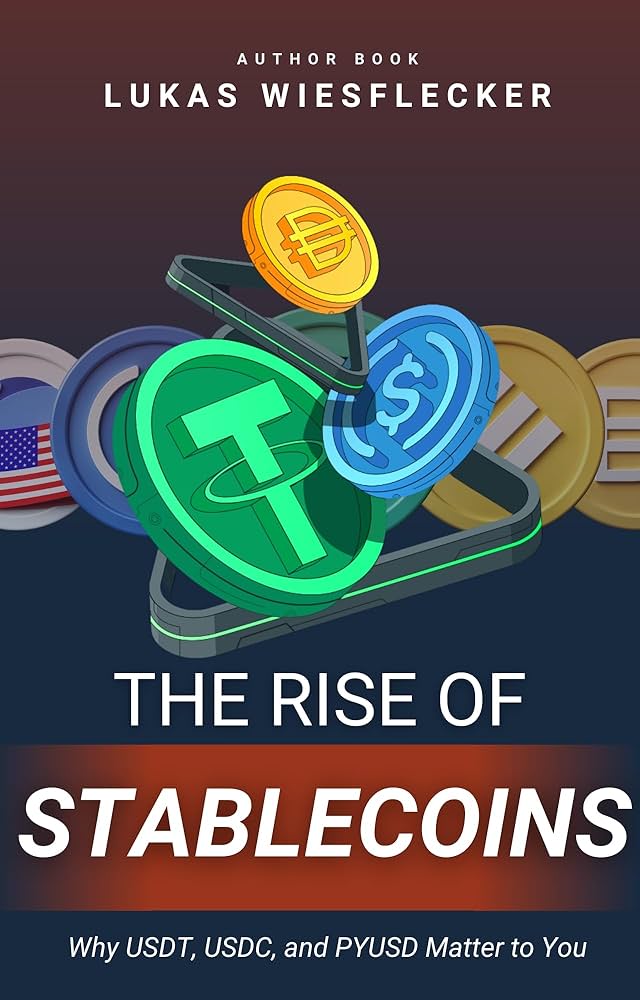
2. PYUSD Paxos Regulatory Compliance
Paxos Trust Company issues PYUSD under strict New York Department of Financial Services oversight, offering a compliant digital dollar for regulated entities. Exporters benefit from this institutional-grade framework, which ensures adherence to anti-money laundering standards and provides a secure, auditable ledger for high-value international transactions.

3. FDUSD First Digital Liquidity Pools
First Digital USD (FDUSD) prioritizes deep liquidity across major decentralized exchanges, facilitating efficient large-volume trades for exporters. Its integration into sophisticated liquidity pools ensures minimal slippage during currency conversions, allowing businesses to move substantial capital across borders with speed and cost-effectiveness, crucial for maintaining healthy cash flow.

4. GUSD Gemini Insurance Coverage
Gemini Dollar (GUSD) is backed by 1:1 U.S. dollars and held in FDIC-insured accounts, with additional insurance coverage for digital assets. This dual-layer protection offers exporters a robust safety net, combining traditional banking safeguards with blockchain efficiency, thereby mitigating risks associated with digital asset storage and transfer in volatile markets.

5. USDP Pioneer Digital Dollar
Pioneer Digital Dollar (USDP) represents an early entrant in the regulated stablecoin space, offering exporters a reliable alternative for cross-border payments. Its established presence and adherence to compliance standards provide a stable foundation for international trade, ensuring that businesses can execute transactions with confidence in the currency's peg and availability.

How regulation shapes FX stablecoins
The legal landscape for FX-backed stablecoins in 2026 is defined by a new federal baseline. The GENIUS Act sets strict reserve and transparency requirements for dollar-pegged tokens, while state regulators manage licensing for non-dollar variants. For exporters, this distinction determines which tokens can move money across borders without triggering compliance alerts.
Under the GENIUS Act, stablecoin issuers must hold high-quality liquid assets and publish monthly attestation reports. Tokens that fail to meet these standards are effectively barred from institutional use. This creates a clear divide: regulated stablecoins like USDC offer legal certainty, while less transparent options carry hidden compliance risks for business accounts.
State-level rules add another layer. New York’s BitLicense and California’s Digital Asset laws require separate approvals for non-dollar stablecoins. Exporters operating in multiple jurisdictions must verify that their chosen token is recognized in both the sending and receiving countries. Failure to do so can freeze funds or trigger anti-money laundering (AML) investigations.
The Brookings Institution notes that federal and state regulators are still finalizing implementation details, particularly around tax characterization and foreign asset standards. Until these rules are fully codified, exporters should prioritize stablecoins with proven regulatory track records. Stick to tokens issued by entities with clear banking partnerships and audited reserves.


As an Amazon Associate, we may earn from qualifying purchases.
Earning Yield on FX Stablecoin Holdings
Exporters holding idle FX stablecoin balances can generate yield through decentralized lending protocols and structured yield products. These strategies allow you to put capital to work while maintaining liquidity for operational needs. The primary mechanism involves supplying stablecoins like USDC or USDT to lending markets, where borrowers pay interest for access to capital.
However, yield is not free. Higher returns often correlate with increased smart contract risk or exposure to volatile underlying assets. For exporters, the priority should be capital preservation over maximizing percentage points. A modest 4-6% annual yield on a regulated, fully reserved stablecoin is often preferable to chasing double-digit returns on opaque protocols. Always verify the reserve composition and audit history of the lending platform before depositing funds.
Consider using established, audited protocols that offer transparent risk parameters. Some platforms provide "stablecoin-only" pools that minimize exposure to crypto volatility, making them suitable for treasury management. Additionally, some regulated issuers offer direct yield-bearing products for institutional clients, providing a bridge between traditional finance yields and crypto efficiency. Always consult with a financial advisor to ensure these strategies align with your company's risk tolerance and regulatory obligations.
Frequently asked: what to check next
What are the top FX-backed stablecoins in 2026?
The leading stablecoins on Ethereum in 2026, ranked by supply, include USDT, USDC, DAI, USDe, PYUSD, FDUSD, USDS, and crvUSD. Each issuer offers different backing mechanisms and practical use cases for exporters. Ethereum remains the primary settlement layer for these digital assets, providing the liquidity needed for cross-border transactions.
Is there a US-backed stablecoin?
Yes. USDC is a regulated digital currency that is fully backed by US dollars and redeemable 1:1. Designed for rapid global payments and 24/7 financial markets, it enables near-instant, low-cost transfers without the delays of traditional banking rails. For official regulatory details, refer to the Federal Reserve’s analysis of payment stablecoins and their implications for monetary policy.
Which European banks are launching a joint Euro stablecoin?
A consortium of twelve major European banks, including ING, BNP Paribas, and UniCredit, plans to launch a regulated euro-denominated stablecoin in the second half of 2026. This initiative is subject to regulatory approval and aims to provide a unified digital euro solution for institutional and retail payments across the continent.
No comments yet. Be the first to share your thoughts!