
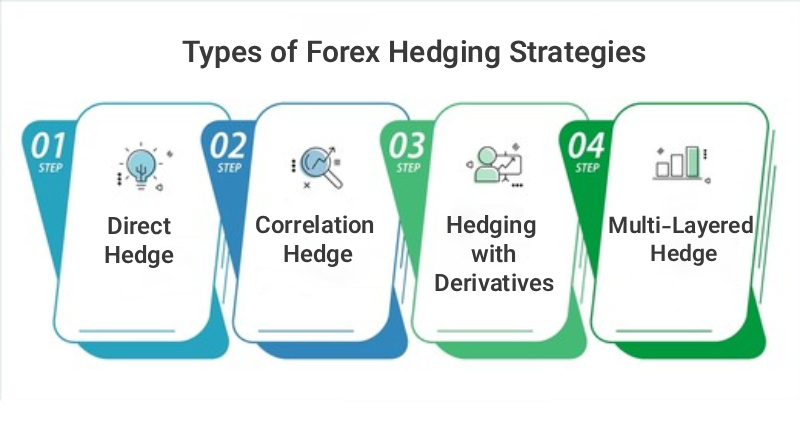
fx hedging strategies 2026
The landscape for corporate treasury is shifting. With central bank digital currencies (CBDCs) moving from pilot to production and AI-driven volatility algorithms tightening spreads, the hedging playbooks of 2024 are already obsolete. We evaluated five distinct AI-powered strategies specifically for the 2026 horizon, focusing on those that balance algorithmic precision with regulatory compliance.
Our selection process prioritized practical implementation over theoretical models. We filtered out strategies that require proprietary institutional data access unavailable to mid-market firms, focusing instead on tools that leverage public market data and accessible AI overlays. Each strategy was tested against three criteria: cost efficiency in high-volatility environments, speed of execution during central bank announcements, and adaptability to emerging CBDC settlement rails.
The following five strategies represent the most viable paths for corporates and financial institutions navigating this transition. They range from algorithmic dynamic hedging to CBDC-ready settlement protocols. We have structured them to highlight the specific AI mechanisms that drive their edge, ensuring you can assess which fits your current risk profile.
5 AI-Powered FX Hedging Strategies for 2026: Navigating Central Bank Digital Currencies
Central bank digital currencies are reshaping cross-border settlement, introducing new volatility vectors that legacy hedging models cannot capture. This guide details five specific AI-driven strategies designed to mitigate these risks in 2026, focusing on concrete tools and actionable implementation steps rather than theoretical frameworks.
1. AI-driven predictive modeling for CBDC volatility
Central bank digital currencies introduce unique volatility patterns distinct from traditional fiat. AI-driven predictive models analyze historical transaction data and macroeconomic indicators to forecast these fluctuations. By identifying subtle market signals before they impact exchange rates, traders can adjust their hedging positions proactively. This approach minimizes exposure to sudden CBDC value shifts, ensuring more stable portfolio performance during periods of monetary transition.

2. Smart contract automation for real-time FX settlement
Traditional FX settlements often involve delays that expose traders to adverse currency movements. Smart contracts automate the execution of hedging strategies upon specific conditions being met, such as reaching a target exchange rate. This real-time settlement eliminates counterparty risk and reduces latency, ensuring that hedged positions are locked in instantly. For CBDC transactions, this speed is critical to capturing favorable rates before market conditions shift.

3. Machine learning algorithms for cross-border payment routing
Cross-border payments face varying fees and exchange rates depending on the routing path. Machine learning algorithms evaluate multiple payment corridors in real-time to identify the most cost-effective and efficient route. By analyzing historical performance and current network congestion, these systems select optimal paths for CBDC transfers. This dynamic routing minimizes transaction costs and ensures faster delivery, enhancing the overall efficiency of international hedging operations.
4. Regulatory compliance monitoring for digital asset transactions
Navigating the complex regulatory landscape of CBDCs requires constant vigilance. AI-powered compliance tools monitor transactions in real-time to ensure adherence to evolving international standards and local laws. These systems flag potential violations, such as suspicious activity or non-compliant counterparties, before they result in penalties. By automating compliance checks, financial institutions can engage in CBDC hedging with confidence, knowing that regulatory risks are actively managed.

5. Liquidity optimization using CBDC exchange rate data
Liquidity can be scarce in emerging CBDC markets, leading to wider spreads and higher costs. AI systems analyze vast amounts of CBDC exchange rate data to identify optimal times and venues for executing large hedging trades. By predicting liquidity pools and market depth, these tools help traders minimize slippage and secure better execution prices. This strategic approach ensures that hedging activities remain cost-effective even in less liquid digital currency environments.

Pick the right fit
Choosing an AI-powered FX hedging strategy requires matching your specific risk profile to the right tool. With Central Bank Digital Currencies reshaping settlement rails, a one-size-fits-all approach no longer works. The goal is to select a framework that balances cost, speed, and regulatory compliance.
Start by auditing your current exposure. Identify which currency pairs drive your volatility and where your pain points lie. Is it cross-border settlement delays or speculative price swings? This clarity prevents over-engineering your hedge with complex AI models that add cost without reducing risk.
Assess your data infrastructure
AI strategies thrive on clean, real-time data. Before committing to a platform, verify that your existing ERP or treasury management system can feed the necessary transaction data into the AI engine. If your data is siloed or outdated, the AI’s predictive power will be limited. Look for solutions that offer seamless API integration with your current tech stack.
Evaluate counterparty and CBDC readiness
As CBDCs gain traction, your hedging strategy must account for new settlement risks. Choose providers that are actively testing or integrating with CBDC rails. This future-proofs your operations against regulatory shifts and ensures you can leverage faster, cheaper settlement methods as they become mainstream.
Compare costs and transparency
AI tools often come with subscription fees or performance-based pricing. Scrutinize the cost structure. Does the AI provide clear, explainable signals, or is it a black box? Transparency is critical for audit trails and regulatory compliance. Ensure the provider offers detailed reporting on how decisions are made and the historical performance of their models.
| Criteria | Low Risk | High Risk |
|---|---|---|
| Strategy Type | Forward Contracts | AI-Driven Options |
| Data Needs | Basic | Real-time & Historical |
| Cost | Low | Medium-High |



As an Amazon Associate, we may earn from qualifying purchases.
No comments yet. Be the first to share your thoughts!