

Why compliance matters in 2026
The regulatory landscape for USD-backed stablecoins has shifted from a frontier of "trustless" innovation to a highly scrutinized financial sector. In 2026, relying solely on market capitalization as a proxy for safety is no longer sufficient for enterprise treasuries or high-net-worth individuals. The primary risk is no longer just price volatility, but regulatory clarity and reserve transparency.
Major issuers like Circle (USDC) and PayPal (PYUSD) have aligned their operations with strict U.S. financial regulations, including regular attestations and, in some cases, full audits. This contrasts sharply with earlier eras where opaque reserves were common. For USDT, the largest stablecoin by market cap, the pressure to demonstrate compliance has intensified, leading to more frequent transparency reports. However, differences in jurisdiction and reserve composition remain critical differentiators.
When selecting a stablecoin, you must look beyond the $77 billion market cap of USDC or the ubiquity of USDT. You need to verify the legal structure, the jurisdiction of the issuer, and the nature of the backing assets. A stablecoin that is compliant in the United States may face restrictions or bans in other jurisdictions, affecting its liquidity and usability. This section outlines the specific compliance frameworks that define the safety profile of the top USD-backed stablecoins.
5 USD-Backed Stablecoins for 2026: Safety, Yield, and Compliance
Selecting a USD-backed stablecoin in 2026 requires rigorous verification of reserve composition, regulatory standing, and audit transparency. This analysis evaluates USDT, USDC, and PYUSD against primary source data to identify instruments that meet high-stakes compliance standards.
1. Tether (USDT): The liquidity standard
Tether (USDT) remains the dominant force in global crypto liquidity, offering unmatched depth across exchanges and decentralized protocols. Its extensive adoption makes it the default settlement layer for high-volume trading, though users must weigh this convenience against ongoing questions regarding reserve composition and historical regulatory scrutiny.
2. USD Coin (USDC): The institutional choice
USD Coin (USDC) prioritizes regulatory compliance and transparency, issuing monthly attestation reports from major accounting firms. Backed by Circle, it appeals to institutional investors seeking a regulated, fiat-backed asset with clear redemption mechanisms, making it a preferred tool for corporate treasury management and compliant financial operations.
3. PayPal USD (PYUSD): The fintech bridge
PayPal USD (PYUSD) leverages PayPal’s vast user base to bridge traditional finance and cryptocurrency markets. Issued by Paxos Trust Company, it offers seamless integration for millions of users, providing a familiar entry point for fiat-to-crypto transactions while maintaining strict adherence to New York Department of Financial Services regulations.
4. Ethena USDe: Yield-bearing stability
Ethena’s USDe distinguishes itself by offering yield-bearing stability through a synthetic dollar mechanism. By utilizing delta-neutral strategies involving staked ETH and futures positions, it generates returns for holders without traditional interest-bearing reserves. This model presents a unique value proposition for investors seeking passive income alongside stablecoin utility.
5. World Liberty Financial USD: The political entry
World Liberty Financial USD represents a novel intersection of political influence and cryptocurrency, launched by prominent political figures. Its market entry highlights the growing trend of high-profile endorsements in the digital asset space, raising unique questions about governance, transparency, and the long-term viability of politically affiliated stablecoins.
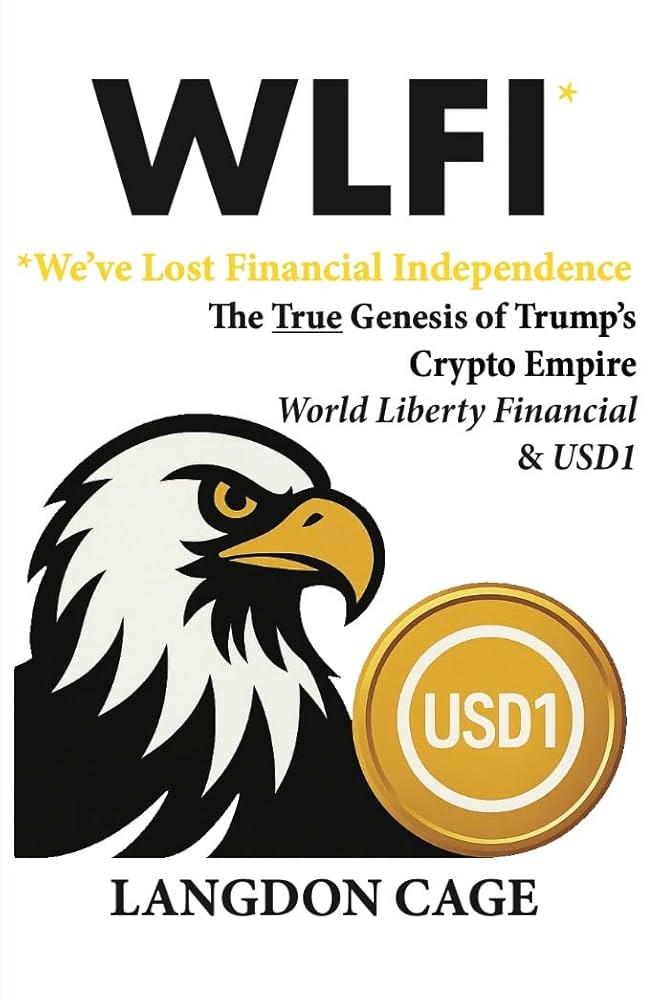
Yield and regulatory risk trade-offs
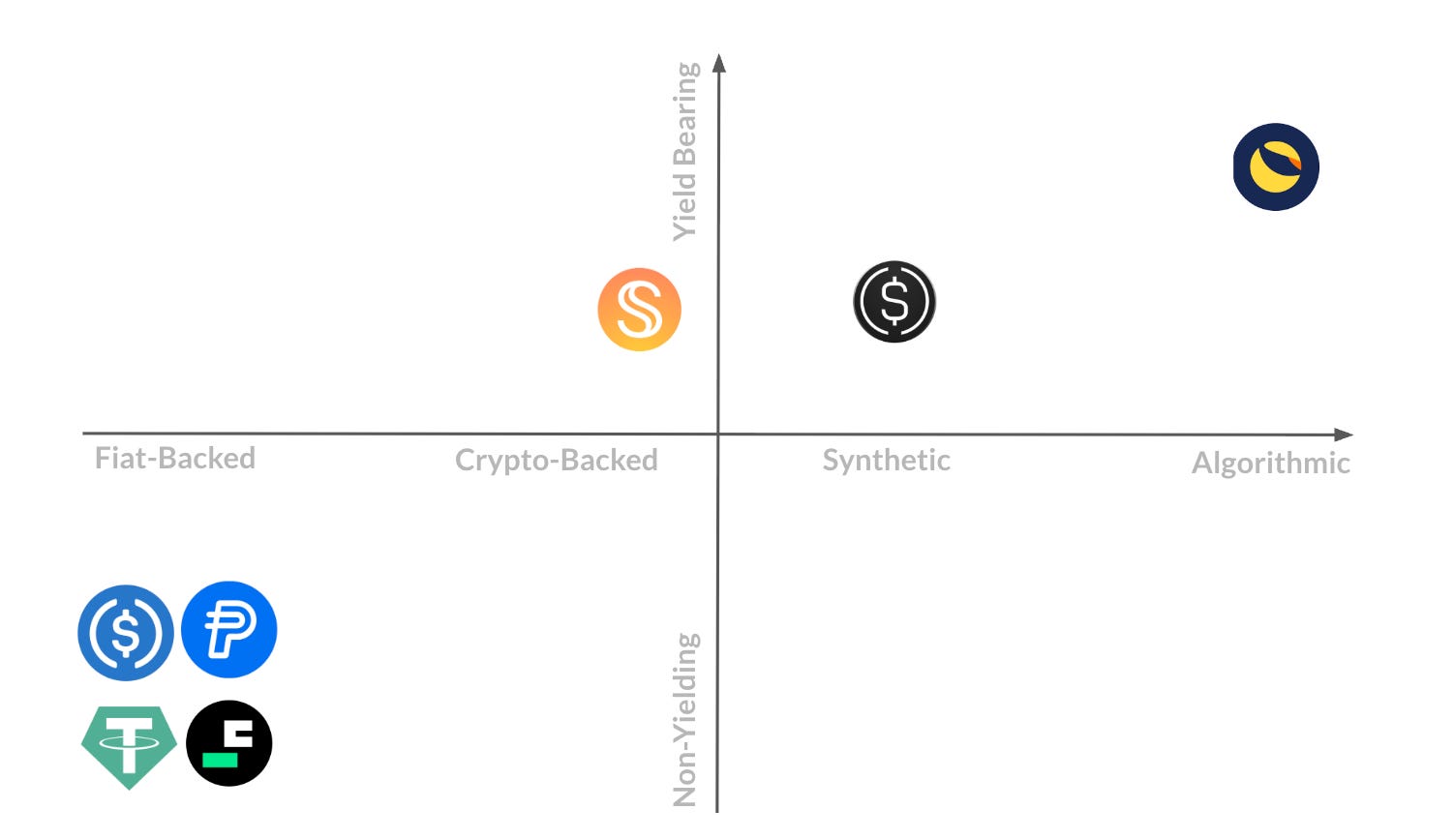
Evaluating USD-backed stablecoins requires balancing yield generation against regulatory exposure. High yields often correlate with less transparent collateral structures or jurisdictions with evolving compliance frameworks. Conversely, stablecoins issued by regulated financial institutions typically offer lower yields but provide greater legal certainty and reserve transparency.
The table below compares the five selected stablecoins based on issuer type, collateral structure, and current regulatory standing. This comparison highlights the spectrum from institutional-grade safety to higher-yield, higher-risk options.
| Stablecoin | Issuer | Collateral Type | Regulatory Status |
|---|---|---|---|
| USDT | Tether Limited | Mixed (T-bills, cash, commercial paper) | Under settlement with NYAG |
| USDC | Circle (USDC Foundation) | Cash and short-term U.S. Treasuries | Fully compliant with NYDFS |
| PYUSD | PayPal | Cash and short-term U.S. Treasuries | NYDFS-compliant |
| USDe | Ethena Labs | Crypto collateral and staking yields | Unregulated DeFi protocol |
| USD1 | Monerium | 100% cash and cash equivalents | MiCA-compliant EMI |
USDC and PYUSD represent the institutional tier, backed by audited reserves of cash and Treasuries. Their yields are generally modest, reflecting the low-risk nature of their underlying assets. USDT, while dominant in volume, carries regulatory overhang from its historical lack of transparency, though its recent reserve composition has shifted toward short-term government debt. USDe and USD1 occupy distinct niches: USDe offers high yields through crypto-collateralized delta-neutral strategies but lacks regulatory oversight, while USD1 provides a MiCA-compliant European alternative with full cash backing.


As an Amazon Associate, we may earn from qualifying purchases.
When selecting a stablecoin for yield generation, investors must explicitly define their risk tolerance. For capital preservation and regulatory safety, USDC and PYUSD are the preferred choices. For those seeking higher yields and willing to accept counterparty and regulatory risk, USDe presents a viable, albeit unregulated, option. Always verify the current reserve reports and regulatory filings before committing capital.
Choosing the right stablecoin for 2026
Selecting a USD-backed stablecoin requires matching the asset’s regulatory structure to your specific use case. The landscape in 2026 is defined by three distinct categories: trading liquidity, institutional yield, and enterprise compliance. Each category prioritizes different risk factors, from reserve transparency to legal jurisdiction.
1. High-Volume Trading and Liquidity
For active trading or high-frequency transfers, USDT (Tether) remains the dominant choice due to its deep liquidity across global exchanges. However, its regulatory history requires careful scrutiny. Traders must verify that their exchange holds USDT in segregated reserves, as Tether’s transparency reports are subject to periodic audit delays. For users prioritizing regulatory clarity over maximum liquidity, USDC (Circle) offers a more transparent, US-regulated alternative with real-time reserve attestations.
2. Yield-Generating Holdings
If your goal is to earn yield on idle USD, USDC is generally the preferred vehicle for regulated DeFi protocols. Circle’s compliance-first approach ensures that USDC integrates smoothly with yield-generating platforms that require KYC/AML verification. Avoid unregulated yield pools offering unsustainable returns; these often mask underlying credit risk. Always verify that the yield source is backed by transparent, auditable smart contracts and holds USDC in segregated wallets.
3. Enterprise Payments and Compliance
For corporate treasury management or cross-border B2B payments, PYUSD (PayPal USD) and USDC are the strongest candidates due to their explicit US regulatory alignment. PYUSD benefits from PayPal’s existing financial infrastructure and compliance framework, making it suitable for businesses already integrated with PayPal’s ecosystem. USDC, backed by Circle’s robust legal structure, offers broader interoperability with traditional banking rails and stablecoin infrastructure providers. Always confirm that your payment processor supports the specific stablecoin’s legal jurisdiction to mitigate counterparty risk.
No comments yet. Be the first to share your thoughts!