
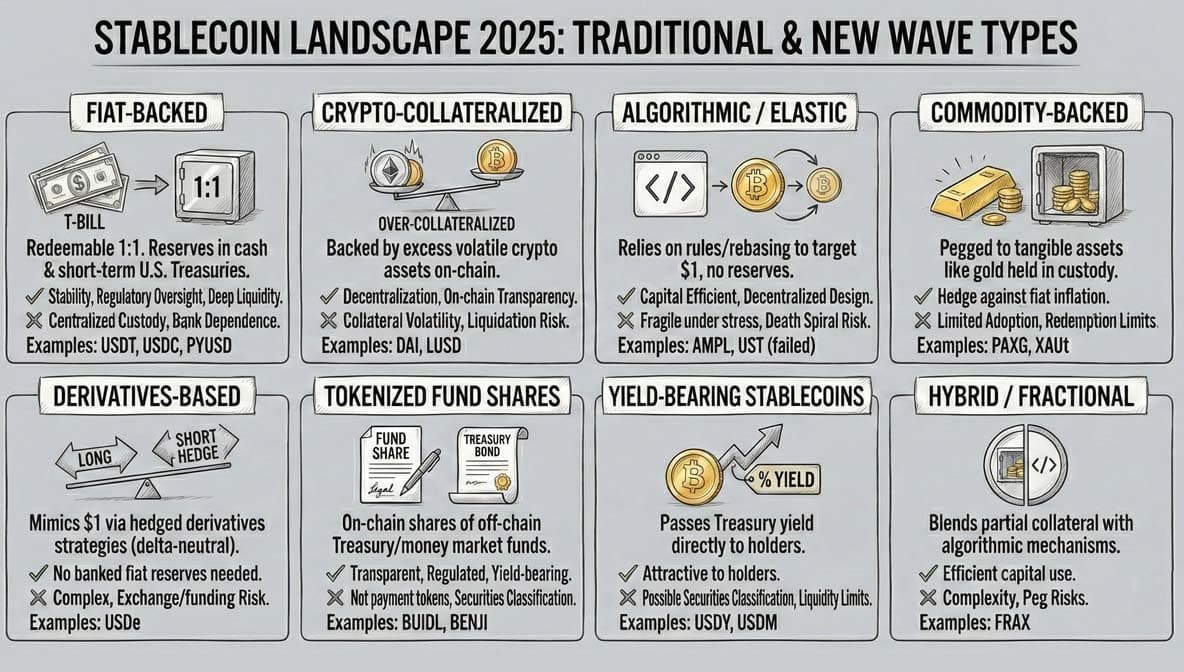
5 Stablecoins for 2026: Yield, Regulation, and Safety Analysis
Navigating the 2026 stablecoin landscape requires rigorous scrutiny of regulatory compliance and reserve transparency, as legal liabilities shift rapidly across jurisdictions. This analysis evaluates five major tokens—USDC, USDT, DAI, PYUSD, and GUSD—against primary filings from the NYDFS, FinCEN, and issuer disclosures to determine which assets offer viable yield without compromising safety.
1. USDC regulatory compliance and reserve transparency
USDC stands as the regulatory gold standard, backed by Circle’s strict adherence to US financial laws. Its reserves consist entirely of cash and short-term US Treasuries, audited monthly by independent firms. This structure offers unparalleled transparency for institutional investors prioritizing legal safety over speculative yield.

2. USDT liquidity depth and audit limitations
Tether maintains the deepest liquidity pools across global exchanges, making it indispensable for high-volume trading. However, its reserve composition remains opaque, relying on commercial paper and private credit rather than pure cash. Traders accept this opacity for speed, but regulatory scrutiny continues to mount regarding the true backing of its massive supply.

3. DAI decentralized governance and collateral risks
DAI operates through MakerDAO, a decentralized protocol where users lock collateral to mint the stablecoin. Unlike centralized issuers, DAI’s value is backed by a diverse basket of crypto assets, introducing smart contract and volatility risks. Governance decisions are made by token holders, creating a unique but complex risk profile for those wary of centralized control.
4. PYUSD regulatory status and issuer backing
PayPal’s PYUSD is fully backed by US dollars and short-term US Treasuries, held in segregated accounts. It operates under strict US regulatory oversight, offering a familiar fiat-linked experience for mainstream users. Its integration with PayPal’s vast network provides immediate accessibility, bridging traditional finance and crypto with a clear legal framework.

5. GUSD institutional custody and legal structure
Gemini Dollar (GUSD) is issued by Gemini Trust Company, a New York-chartered trust company. It is fully backed by US dollars held in FDIC-insured bank accounts, providing a robust legal structure for institutional clients. Its focus on compliance and security makes it a preferred choice for regulated entities seeking stablecoin exposure without counterparty ambiguity.

Choosing stablecoins in 2026
The landscape for dollar-pegged digital assets has shifted from speculative growth to strict regulatory compliance. For exporters and international businesses, selecting a stablecoin is no longer just about yield; it is a legal necessity. The primary goal is capital preservation through verified transparency and adherence to evolving financial laws.
USDC (USD Coin) and Tether (USDT) remain the dominant choices for high-volume trade. USDC is favored for its rigorous reserve audits and alignment with U.S. regulatory frameworks, making it a safer harbor for compliance-focused entities. Tether offers deeper liquidity in many trading pairs but requires careful due diligence regarding its reserve composition.
When evaluating options, focus on the issuer’s legal structure and reserve transparency. Avoid unverified or obscure stablecoins that lack clear audit trails. The cost of a failed transaction or frozen funds far exceeds any marginal yield gain from less regulated assets.


As an Amazon Associate, we may earn from qualifying purchases.
Regulatory compliance and safety
The stability of a digital dollar depends less on market sentiment and more on legal structure. In 2026, regulatory frameworks dictate which stablecoins are safe for business use. The European Union’s Markets in Crypto-Assets (MiCA) regulation sets a strict standard for issuers. Under MiCA, stablecoin issuers must maintain high-quality liquid reserves and undergo regular audits. This framework ensures that tokens like USDC, which is issued by Circle (a regulated financial institution), meet rigorous compliance requirements for European operations.
In the United States, the landscape remains fragmented but increasingly stringent. Federal agencies and state regulators are enforcing existing securities and money transmission laws. Stablecoins that fail to provide transparent proof of reserves or lack proper licensing face significant legal risks. For businesses, using an unregulated stablecoin is not just a financial risk; it is a compliance liability. The distinction between a compliant token and a speculative asset is defined by these legal boundaries.
When selecting a stablecoin for corporate treasury or payments, prioritize those with clear regulatory adherence. USDC and USDT are the dominant players, but their safety profiles differ based on jurisdiction and reserve transparency. USDC benefits from a regulated banking partnership model, while USDT has faced historical scrutiny over reserve composition. Understanding these differences is essential for mitigating legal exposure. The following products are commonly used by professionals to manage and track these assets securely.


As an Amazon Associate, we may earn from qualifying purchases.
Yield strategies for exporters
Exporters managing cross-border settlements face unique regulatory scrutiny when deploying idle stablecoin balances. Generating yield on USDC or USDT requires navigating the intersection of financial compliance and smart contract risk. Unlike traditional treasury bills, stablecoin yields are not guaranteed and are subject to protocol-specific risks.
The primary mechanism for yield generation is lending to institutional borrowers or providing liquidity to decentralized finance (DeFi) protocols. However, for exporters, principal safety is paramount. Exposure to unregulated lending platforms or volatile liquidity pools can jeopardize operational capital. Therefore, yield strategies must be anchored in protocols with transparent reserves and audited smart contracts.
Exporters should prioritize protocols that offer on-chain proof of reserves and have undergone rigorous third-party security audits. This approach minimizes the risk of insolvency while providing a return that may exceed traditional money market funds. Always verify the regulatory status of the lending platform in your jurisdiction before committing funds.


As an Amazon Associate, we may earn from qualifying purchases.
Frequently asked: what to check next
Are stablecoins safe for long-term holding? Stablecoins are not insured by the FDIC or SIPC, meaning you bear the full risk of issuer insolvency or technical failure. While major assets like USDC and USDT maintain reserves, regulatory scrutiny in 2026 demands rigorous verification of these holdings. Treat stablecoins as a high-risk custody vehicle, not a bank deposit.
How do regulations affect stablecoin yields in 2026? The EU’s MiCA framework and emerging US state-level laws now require stablecoin issuers to maintain strict reserve transparency. This compliance often reduces yield compared to unregulated DeFi protocols, but it significantly lowers counterparty risk. Always verify that the yield source is backed by compliant, liquid assets.
What is the difference between USDC and USDT? USDC is issued by Circle, a publicly traded company subject to regular audits and US regulatory oversight. USDT is issued by Tether, which has faced historical scrutiny over reserve composition. For legal and regulatory safety, USDC is generally preferred by institutional investors, though USDT retains higher trading volume.
Can stablecoins be hacked? The tokens themselves are code, but the wallets and exchanges holding them are frequent targets. Use hardware wallets for storage and avoid leaving large balances on centralized exchanges. Always enable multi-factor authentication and verify contract addresses before transferring assets.
Which stablecoin is best for 2026? Selection depends on your risk tolerance. USDC offers the strongest regulatory alignment for US-based users. USDT provides the deepest liquidity for active trading. For diversified exposure, consider a basket of regulated issuers rather than relying on a single asset.


As an Amazon Associate, we may earn from qualifying purchases.
No comments yet. Be the first to share your thoughts!