
5 Best Stablecoins 2026: Top 5 Picks for Yield and Compliance
Selecting stablecoins in 2026 requires prioritizing regulatory compliance and transparent reserve audits over speculative yield. This list identifies five assets that meet strict legal standards, ensuring your capital remains protected against evolving financial regulations.
1. USDC: Circle's Regulated Reserve Structure
USDC anchors portfolios with institutional-grade transparency, holding reserves in cash and short-term U.S. Treasuries. Circle’s monthly attestation reports provide verifiable backing, making it a compliant choice for risk-averse investors seeking stability without exposure to unbacked digital assets or opaque reserve management practices.
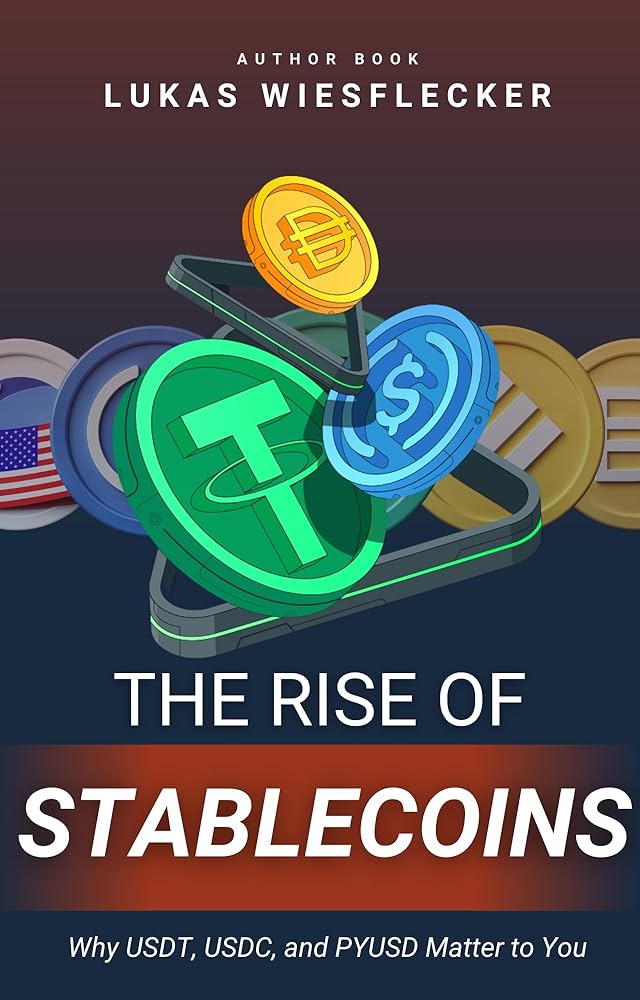
2. USDT: Tether's Liquidity and Compliance Updates
Tether remains the dominant force in trading volume, offering unparalleled liquidity across global exchanges. Recent compliance enhancements and quarterly attestations aim to address historical scrutiny, positioning USDT as a critical tool for high-frequency traders who prioritize immediate settlement and deep order books over decentralized governance structures.

3. DAI: MakerDAO's Decentralized Yield Mechanisms
DAI distinguishes itself through decentralized governance, allowing holders to participate in protocol decisions while earning yield via MakerDAO’s savings rate. Backed by a diversified basket of crypto and real-world assets, DAI offers a unique intersection of decentralization and financial utility, appealing to users who value community-driven oversight and autonomous monetary policy.

4. PYUSD: PayPal's Regulated Stablecoin Integration
PayPal USD (PYUSD) bridges traditional finance and crypto through seamless integration with the PayPal ecosystem. Issued by Paxos under New York State regulatory oversight, PYUSD offers users a familiar on-ramp for transactions and savings, combining the speed of blockchain with the trusted brand infrastructure of a major global payment processor.

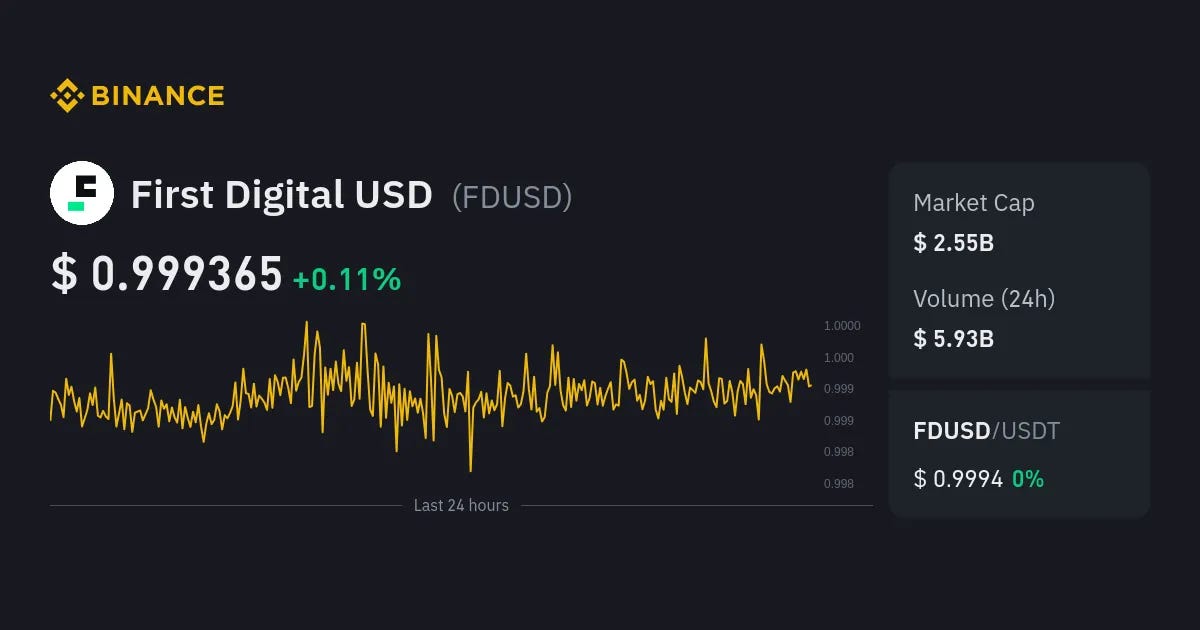
5. FDUSD: First Digital's Transparent Audit Trail
First Digital USD (FDUSD) emphasizes rigorous auditing and reserve transparency to build trust in the stablecoin market. By providing regular attestations and maintaining a clear audit trail, FDUSD appeals to institutional players seeking a compliant, auditable digital dollar alternative that prioritizes accountability and regulatory adherence in its operational framework.
Choosing stablecoins in 2026
The stablecoin market has shifted from a wild west of yield-chasing to a regulated financial infrastructure. In 2026, compliance is no longer optional; it is the primary filter for selecting a digital dollar. While high yields once drove adoption, regulatory scrutiny now demands transparency, reserve audits, and adherence to jurisdictional laws. Investors and businesses must prioritize assets that survive legal pressure over those that offer temporary, unsustainable returns.
The dominant stablecoins today—USDC, USDT, and DAI—each navigate this landscape differently. USDC leads in transparency and regulatory alignment, making it the preferred choice for institutional capital and compliant DeFi protocols. USDT retains the highest liquidity but faces ongoing questions about reserve composition. DAI offers decentralization but carries smart contract risks that require active monitoring. Understanding these distinctions is critical for protecting capital.
Compliance First: In 2026, a stablecoin’s yield is secondary to its legal standing. Choose assets with clear regulatory licenses and audited reserves to avoid exposure to frozen assets or delisting.
When evaluating options, look beyond marketing claims. Verify that the issuer publishes monthly reserve reports and holds funds in regulated financial institutions. This diligence ensures that your stablecoins remain redeemable at parity, regardless of market volatility.


As an Amazon Associate, we may earn from qualifying purchases.
Comparing yield and risk profiles
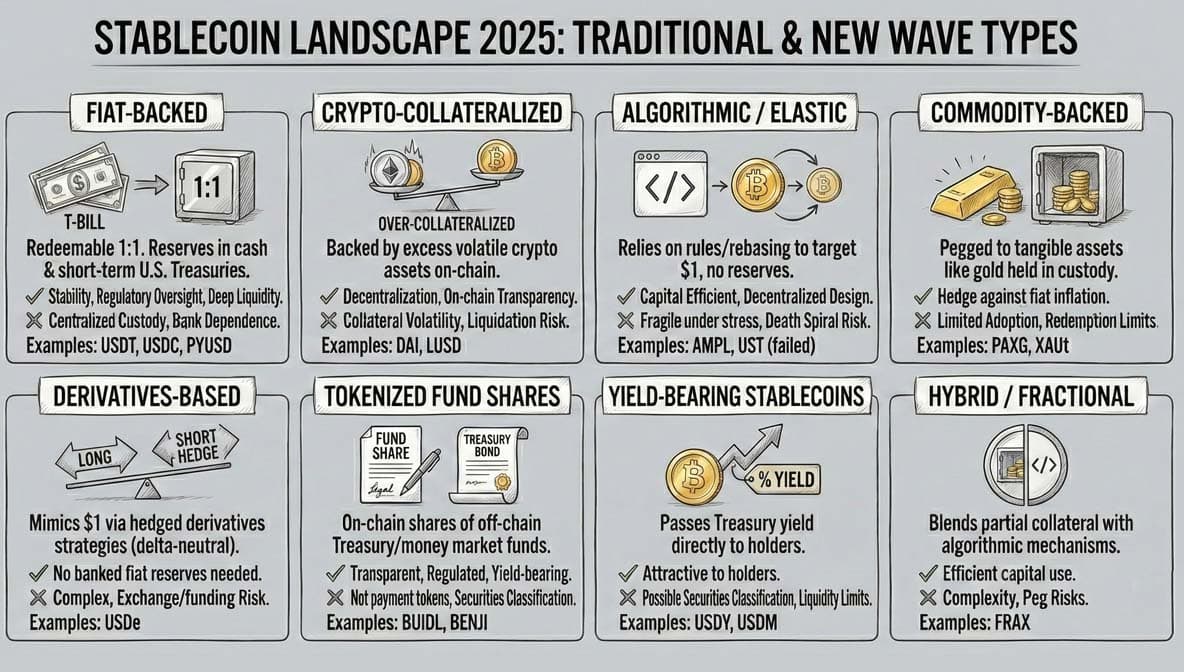
Choosing a stablecoin requires balancing the desire for yield against the necessity of regulatory safety. Higher returns often stem from DeFi protocols or issuers with less transparent reserves, while compliant tokens typically offer lower, more predictable returns backed by regulated entities.
The following comparison outlines the primary trade-offs for the top five stablecoins. It highlights how each asset sources its yield and the regulatory framework governing it. This structure helps identify which coins align with your risk tolerance.
| Stablecoin | Yield Source | Regulatory Status | Risk Profile |
|---|---|---|---|
| USDC | Treasury bills | Fully reserved, regulated by NYDFS | Low |
| USDT | Diversified reserves | Ongoing compliance efforts, offshore | Medium |
| DAI | DeFi lending rates | Decentralized, algorithmic | Medium-High |
| GUSD | Interest-bearing accounts | BitGo, NYDFS regulated | Low |
| PYUSD | US Treasuries | Regulated, Circle-issued | Low |
Regulatory clarity remains the most significant factor in preserving capital. Tokens like USDC and GUSD operate under strict New York DFS oversight, providing a layer of protection that decentralized or offshore alternatives lack. While their yields are modest, they are derived from low-risk government securities.
Conversely, assets like DAI rely on DeFi lending protocols. These can generate higher yields but expose holders to smart contract risks and market volatility. Understanding this spectrum allows investors to select a stablecoin that matches their specific compliance and income requirements.
How to Generate Yield Without Compromising Safety
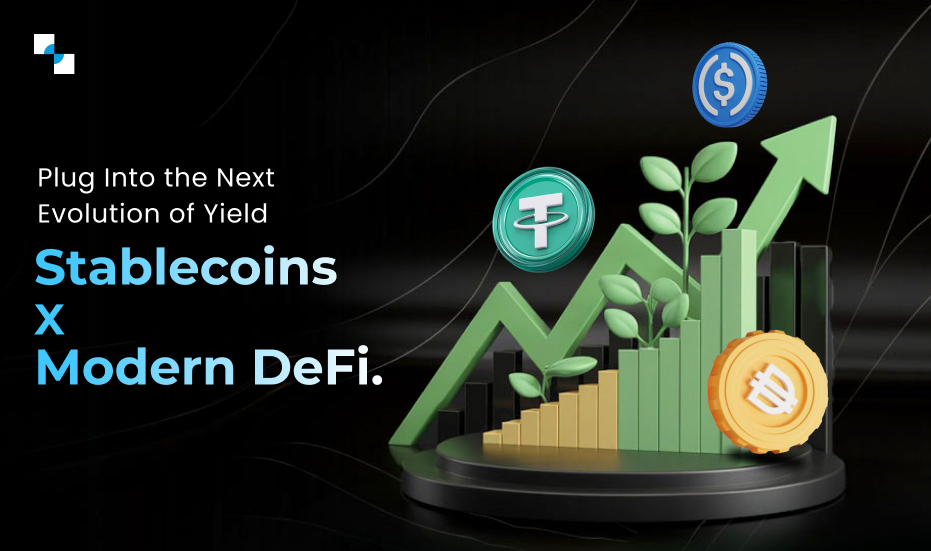
Generating yield from stablecoins requires understanding the source of the return. Unlike traditional savings accounts, stablecoin yield often comes from lending protocols, decentralized finance (DeFi) liquidity pools, or regulated savings products. Each method carries different risks, particularly regarding smart contract vulnerabilities and regulatory compliance.
To protect your principal, you must prioritize platforms with audited smart contracts and transparent reserve attestations. Avoid high-yield promises that lack clear economic backing. The following steps outline a compliant approach to deploying stablecoins for yield.
Before depositing funds, verify that the lending or staking protocol has undergone recent security audits by reputable firms. Look for published audit reports and active bug bounty programs. This step is critical for identifying potential vulnerabilities in the smart contracts that hold your assets.
Ensure the stablecoin issuer provides regular, third-party attestations of its reserves. For regulated products, check for compliance with local financial authorities. Transparency in reserve composition (cash, short-term treasuries, etc.) is the primary defense against depegging events.

Do not concentrate all capital in a single yield source. Split your allocation between regulated savings products, audited lending protocols, and low-risk liquidity pools. This diversification mitigates the risk of a single point of failure, such as a protocol hack or regulatory crackdown.


As an Amazon Associate, we may earn from qualifying purchases.
By following these steps, you can participate in the stablecoin yield ecosystem while maintaining a cautious, compliance-focused posture. Always prioritize the safety of your principal over speculative returns.
Frequently asked: what to check next
Are stablecoins fully regulated in the US?
Stablecoin regulation in the United States remains fragmented as of 2026. While the GENIUS Act and similar frameworks have established clearer guidelines for issuers holding US dollar reserves, no single federal agency has comprehensive oversight of all digital assets. Issuers like Circle (USDC) and Paxos (USDP) operate under state-level banking regulations, such as the New York Department of Financial Services (NYDFS) BitLicense. Users should verify that a stablecoin issuer is registered with relevant financial authorities rather than assuming all "stable" coins are equally compliant.
Is yield on stablecoins insured?
No. Yield generated from lending stablecoins to DeFi protocols or centralized platforms is not covered by FDIC or SIPC insurance. If a lending platform fails, as seen in previous crypto collapses, principal funds are often lost entirely. Even when yield comes from holding US Treasuries via regulated issuers, the yield portion is market-dependent and unsecured. Treat any yield above standard savings account rates as high-risk speculation, not guaranteed income.
Can I buy stablecoins on Amazon?
You cannot buy stablecoins directly on Amazon, as they are digital cryptographic assets, not physical goods. However, Amazon offers gift cards and prepaid debit cards that can sometimes be used to purchase cryptocurrency on third-party exchanges. For direct investment, you must use a regulated cryptocurrency exchange or broker. Always ensure the platform you use is compliant with your local jurisdiction’s securities and money transmitter laws.


As an Amazon Associate, we may earn from qualifying purchases.
No comments yet. Be the first to share your thoughts!