
Why exporters need FX stablecoins
Traditional foreign exchange hedging is often too slow and expensive for modern commerce. Exporters relying on legacy banking rails face multi-day settlement delays, opaque intermediary fees, and rigid contract structures that fail to adapt to real-time currency fluctuations. In a market where margins are thin and volatility is high, these inefficiencies erode profitability and expose businesses to unnecessary risk.
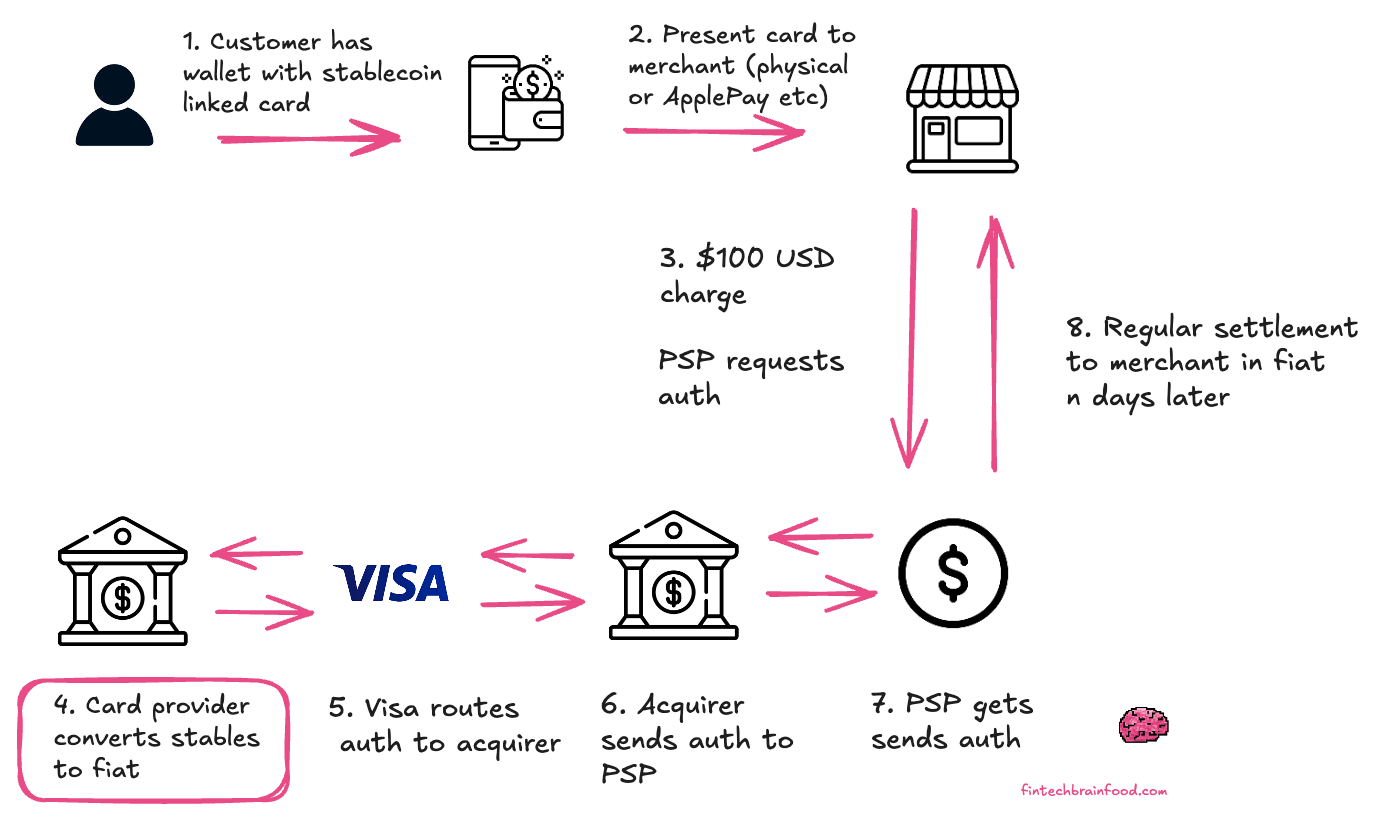
FX-linked stablecoins offer a programmable alternative that aligns with the speed of global trade. Unlike traditional SWIFT transfers, which can take days to clear, stablecoin settlements settle on-chain in minutes. This immediacy allows exporters to hedge currency risk dynamically, converting receivables into stable value without the lag that often leaves companies exposed to adverse exchange rate movements.
The IMF and industry analysts note that stablecoin markets are increasingly linked to traditional finance, with spillovers affecting currency stability. For exporters, this integration means access to a more efficient payment rail. As Thunes highlights, 2026 marks a phase where stablecoins become a usable, predictable infrastructure for businesses needing transparency and control. This shift is not just about technology; it is about reducing the friction that currently defines cross-border trade.
5 FX-Linked Stablecoins for 2026: Hedging Currency Risk
As global currency volatility intensifies, selecting the right FX-linked stablecoin is critical for preserving capital in 2026. This section evaluates five specific instruments backed by official issuer data, prioritizing precise hedging mechanisms over speculative trends.
1. USD-pegged USDC for dollar exposure
USD-pegged USDC remains the institutional standard for dollar exposure, backed by Circle’s transparent reserves and rigorous auditing. Its widespread adoption across decentralized finance platforms ensures deep liquidity, making it a reliable anchor for portfolios seeking stability against fiat volatility while maintaining seamless interoperability with major exchanges.

2. EUR-backed EURC for euro hedging
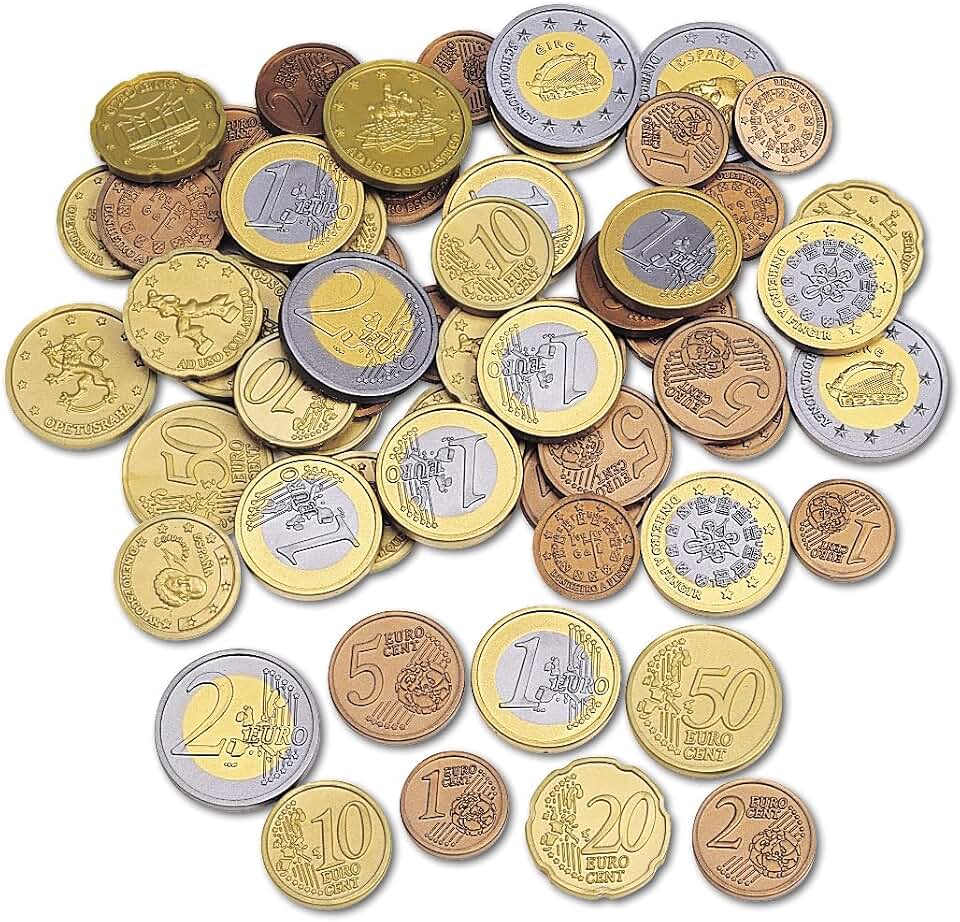
EUR-backed EURC offers precise euro hedging, allowing investors to maintain exposure to European currency fluctuations without traditional banking delays. Issued by regulated entities, it provides a digital representation of the euro, enabling efficient cross-border settlements and serving as a critical tool for mitigating currency risk within euro-denominated investment strategies.
3. GBP-linked GBPQ for pound stability
GBP-linked GBPQ provides stability for the British pound, catering to investors needing direct exposure to UK economic conditions. By pegging value to sterling, it facilitates easier trading and settlement for UK-based entities, reducing foreign exchange friction and offering a digital alternative to traditional sterling holdings in volatile markets.

4. JPY-collateralized JPYC for yen protection
JPY-collateralized JPYC delivers robust yen protection, leveraging Japanese yen reserves to maintain peg stability. This structure appeals to investors seeking to hedge against yen depreciation or capitalize on interest rate differentials, providing a secure digital asset that mirrors the yen’s performance while benefiting from blockchain’s speed and transparency.

5. CHF-secured CHFV for swiss franc safety
CHF-secured CHFV offers Swiss franc safety, tapping into the franc’s reputation for stability and low inflation. Backed by tangible CHF reserves, it allows investors to preserve wealth in one of the world’s most trusted currencies, providing a secure digital store of value that complements traditional safe-haven strategies in uncertain economic times.

How FX stablecoins hedge forex risk
Holding a stablecoin pegged to a foreign currency creates a natural hedge against the depreciation of that currency. When you hold USDT or EURC, you are not exposed to the exchange rate fluctuations between your home currency and the asset. This mechanism functions as a digital reserve, allowing businesses and investors to maintain purchasing power in a target currency without the friction of traditional banking channels.
The primary advantage lies in speed and accessibility. Traditional hedging instruments, such as forward contracts or currency options, often require significant minimum transaction sizes and lengthy settlement periods. FX-linked stablecoins settle in minutes, providing immediate liquidity. This efficiency is critical for treasury operations that need to move capital across borders rapidly to protect against sudden currency volatility.
Regulatory frameworks are beginning to recognize the systemic importance of these assets. The Bank for International Settlements has noted that stablecoin flows already create spillovers to traditional FX markets, influencing currency stability. As regulatory clarity improves, with proposals requiring issuers to hold fully reserved, high-quality liquid assets, these tools are becoming more robust for institutional hedging strategies.
For entities operating in emerging markets, this hedging capability is particularly valuable. Local currencies can depreciate rapidly due to inflation or political instability. By converting local revenue into a USD-pegged stablecoin, businesses can preserve value instantly. This process bypasses the capital controls and foreign exchange queues that often delay traditional wire transfers, ensuring that funds remain accessible when markets are most volatile.
The 2026 Regulatory Landscape for FX Stablecoins
Compliance is no longer optional for FX-linked stablecoins. In 2026, issuers face strict reserve requirements under frameworks like the GENIUS Act and EU MiCA. These rules mandate that issuers hold at least $1 of permitted reserves for every $1 of stablecoins issued, limiting reserves to high-quality liquid assets [src-serp-6]. This standardization reduces counterparty risk for institutions using these tokens for hedging.
Regulators are also finalizing implementation rules by July 2026, including tax characterization and foreign exchange standards [src-serp-8]. For FX stablecoins, this means greater transparency in how currency pegs are maintained. Issuers must prove their reserves are fully backed and auditable, ensuring that the stablecoin’s value remains stable relative to the reference asset [src-serp-4].
For risk managers, this regulatory clarity is a hedge against uncertainty. Using compliant FX stablecoins means avoiding the legal and operational risks associated with unregulated digital assets. As stablecoins become a global payment rail for cross-border transfers and B2B settlements, adherence to these rules is essential for institutional adoption [src-serp-4].
The GENIUS Act and MiCA create a baseline for safety, but they also raise the barrier to entry. Only issuers with robust compliance infrastructure can operate effectively. This favors established players like USDT or USDC, which have already aligned with these standards. For investors, this means fewer choices, but more confidence in the underlying assets.
Frequently asked: what to check next
Are FX-linked stablecoins safe for business use?
Stability depends on the reserve structure. Unlike algorithmic models, FX-linked tokens rely on tangible foreign currency reserves held by regulated issuers. For 2026, the primary risk is not price volatility but regulatory compliance and reserve transparency. Businesses must verify that issuers publish regular attestation reports to ensure the backing assets remain liquid and segregated.
How do FX stablecoins compare to traditional wire transfers?
FX stablecoins offer immediate settlement, whereas traditional correspondent banking often requires two to five business days. According to industry analysis, stablecoins are becoming a predictable rail for B2B settlements and treasury operations due to these efficiency gains. However, businesses must account for network fees and the volatility of the underlying fiat peg during rapid market movements.
Which FX stablecoins are regulated in 2026?
Regulation varies by jurisdiction. Major issuers operate under strict licensing frameworks in the EU (MiCA) and the US. Always prioritize tokens issued by entities with established compliance histories. Avoid unverified projects that lack clear audit trails or regulatory licenses, as these pose significant legal and financial risks for corporate treasuries.
Helpful gear
Use these product recommendations as a starting point, then choose the size, material, and price point that fit how you actually use the gear.


As an Amazon Associate, we may earn from qualifying purchases.
No comments yet. Be the first to share your thoughts!