
Why FX stablecoins matter in 2026
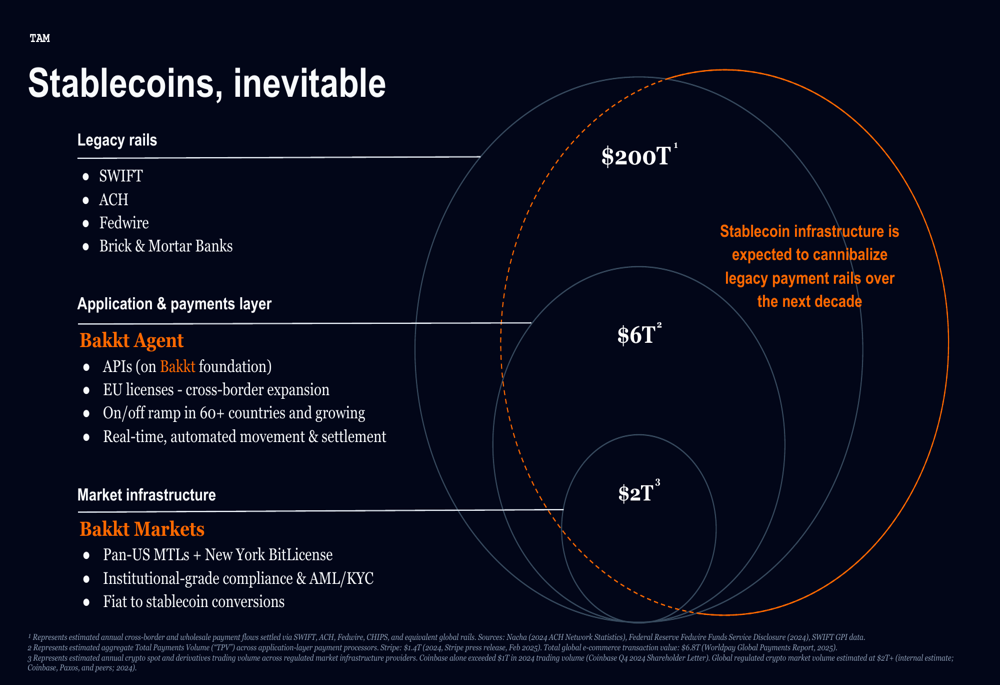
The regulatory landscape for digital assets has shifted from experimental ambiguity to structured compliance, creating a viable path for non-USD stablecoins in cross-border trade. As noted by Thunes, stablecoins have moved beyond early adoption phases, driven by clearer regulatory frameworks and stronger financial safeguards that now support enterprise-grade demand [1]. This maturation allows exporters to utilize assets like EURC or JPYC not merely as speculative instruments, but as regulated tools for mitigating currency risk.
For exporters, the primary value proposition lies in settlement friction reduction. Deutsche Bank’s 2026 outlook highlights that stablecoins are increasingly recognized for their real-world utility in B2B payments, with usage heavily concentrated in commercial transactions rather than retail speculation [2]. By settling directly in the counterparty’s local currency using a regulated stablecoin, businesses can bypass the multi-step conversion processes that typically inflate costs and delay liquidity.
The strategic advantage extends to tactical exposure management. Atlantic Partners Asia identifies the use of digital assets as a growing strategy for mitigating FX exposure in an unstable global economy [3]. While USD stablecoins remain the dominant liquidity layer, the emergence of regulated multi-currency options allows firms to hedge against local currency volatility without locking capital in traditional forward contracts. This shift enables more agile cash flow management, particularly for exporters operating in markets with fluctuating exchange rates.
This environment favors exporters who can leverage these regulated instruments to streamline operations. The focus is no longer on the novelty of blockchain technology, but on the concrete compliance and efficiency gains offered by specific, regulated products. As the market solidifies, the ability to settle in EURC or JPYC directly becomes a competitive advantage, offering a transparent and auditable alternative to traditional correspondent banking networks.
5 Regulated FX Stablecoins for 2026 Exporters
Exporters facing 2026 regulatory shifts must prioritize FX stablecoins with verified compliance frameworks, such as EURC, JPYC, and USDC, to mitigate settlement risk. This analysis evaluates these specific instruments against official guidelines from Gibson Dunn and the IMF, ensuring alignment with emerging cross-border payment standards.
-
USDC regulatory compliance status 2026
Circle’s USDC remains the benchmark for U.S. exporters seeking regulatory clarity, backed by Circle’s monthly attestation reports and partnerships with major custodians. As of 2026, it operates under evolving federal guidance rather than explicit legislation, maintaining full reserve transparency. This structure provides exporters with a familiar, dollar-pegged asset that minimizes counterparty risk while navigating the current legislative gridlock surrounding digital asset classification. Image [alt: The competition for stablecoin yields, how has it stalled U.S. cryptocurrency regulatory legislation? - RootData | RootData] -

EURC European Union MiCA framework alignment
EURC is engineered for strict compliance with the EU’s Markets in Crypto-Assets (MiCA) regulation, offering exporters a legally robust euro-denominated option. Issued by Tether, it holds an Electronic Money Institution license in Ireland, ensuring adherence to reserve requirements and consumer protection standards mandated by Brussels. For European trade, this alignment reduces legal ambiguity, allowing businesses to leverage stablecoin efficiency while remaining fully within the bounds of EU financial law. -

JPYC Japanese financial services act adherence
JPYC operates under Japan’s stringent Financial Services Agency oversight, adhering to the Payment Services Act for its yen-pegged stablecoin. This framework requires rigorous reserve audits and strict anti-money laundering protocols, making it a secure choice for exporters dealing with Japanese counterparts. By integrating with regulated Japanese financial institutions, JPYC ensures that cross-border yen transactions maintain high integrity and comply with local banking regulations, mitigating legal risks for international trade. -
GUSD New York BitLicense regulatory standing
Gemini Dollar (GUSD) holds a New York BitLicense, providing a distinct regulatory advantage for exporters prioritizing U.S. state-level compliance. As one of the first stablecoins to secure this license, it operates under strict capital reserve requirements and regular audits by independent accounting firms. This standing offers exporters a legally defensible option for USD transactions, particularly beneficial for businesses operating in or trading with New York, where regulatory scrutiny is highest. -

PYUSD New York Department of Banking oversight
PayPal’s PYUSD is issued by Paxos Trust Company under the direct oversight of the New York Department of Financial Services. This regulatory framework ensures that PYUSD maintains full reserve backing in cash and short-term U.S. Treasuries, providing exporters with a highly liquid and legally compliant payment rail. Its integration with PayPal’s vast merchant network offers exporters seamless conversion capabilities, balancing regulatory rigor with practical commercial utility for international settlements.
Regulatory compliance for exporters
For corporate treasurers, the 2026 regulatory environment has shifted from uncertainty to enforceable structure. The primary keyword cluster for this decision is regulated FX stablecoins, specifically those adhering to MiCA in the EU and the GENIUS Act framework in the US. These frameworks transform stablecoins from speculative assets into compliant balance sheet instruments.
In the European Union, the Markets in Crypto-Assets (MiCA) regulation provides the definitive legal standard. MiCA mandates strict reserve requirements and regular attestation for asset-referenced tokens. For exporters holding EURC or JPYC, this means the underlying fiat reserves are subject to audit trails that satisfy corporate governance standards. The legal certainty reduces counterparty risk, allowing finance teams to treat these tokens with the same diligence as traditional bank deposits.
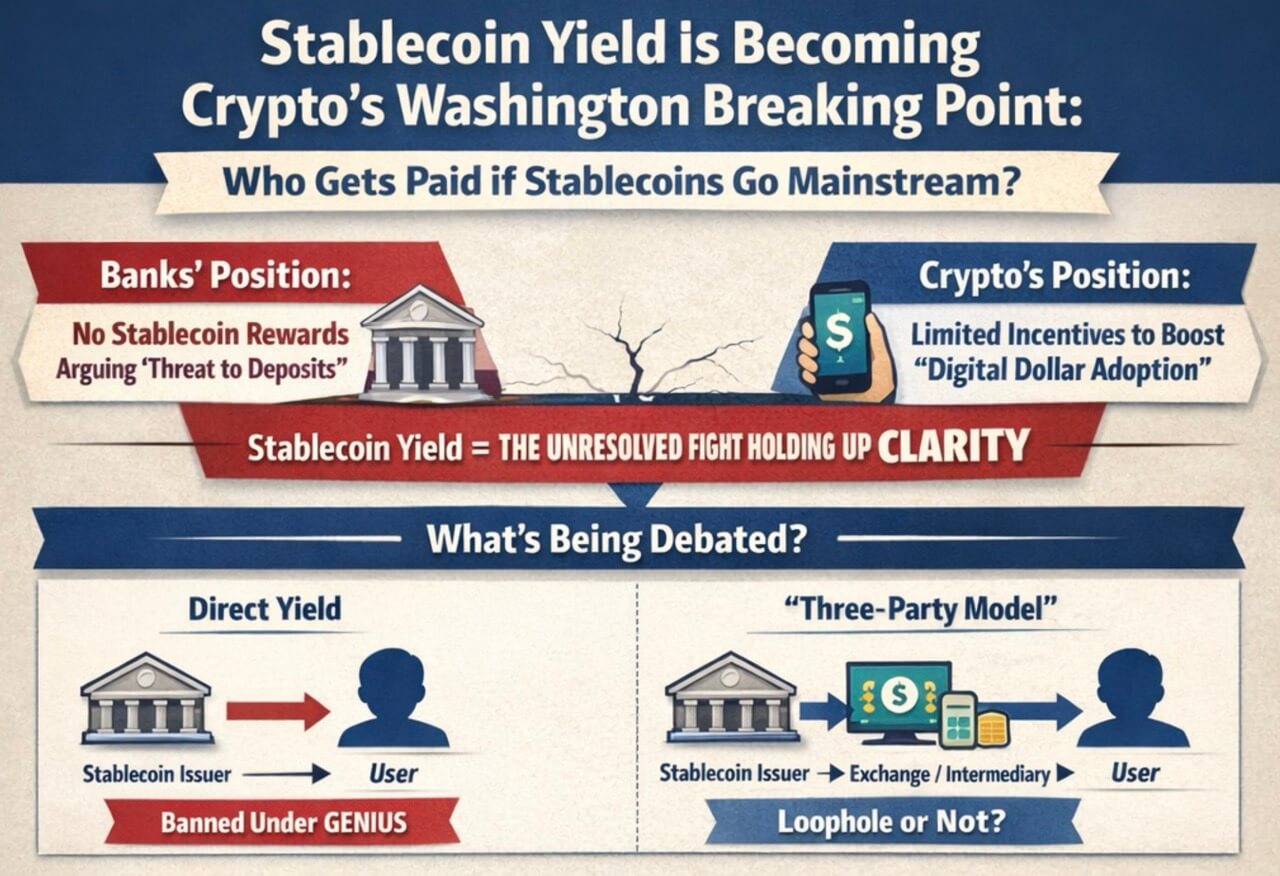
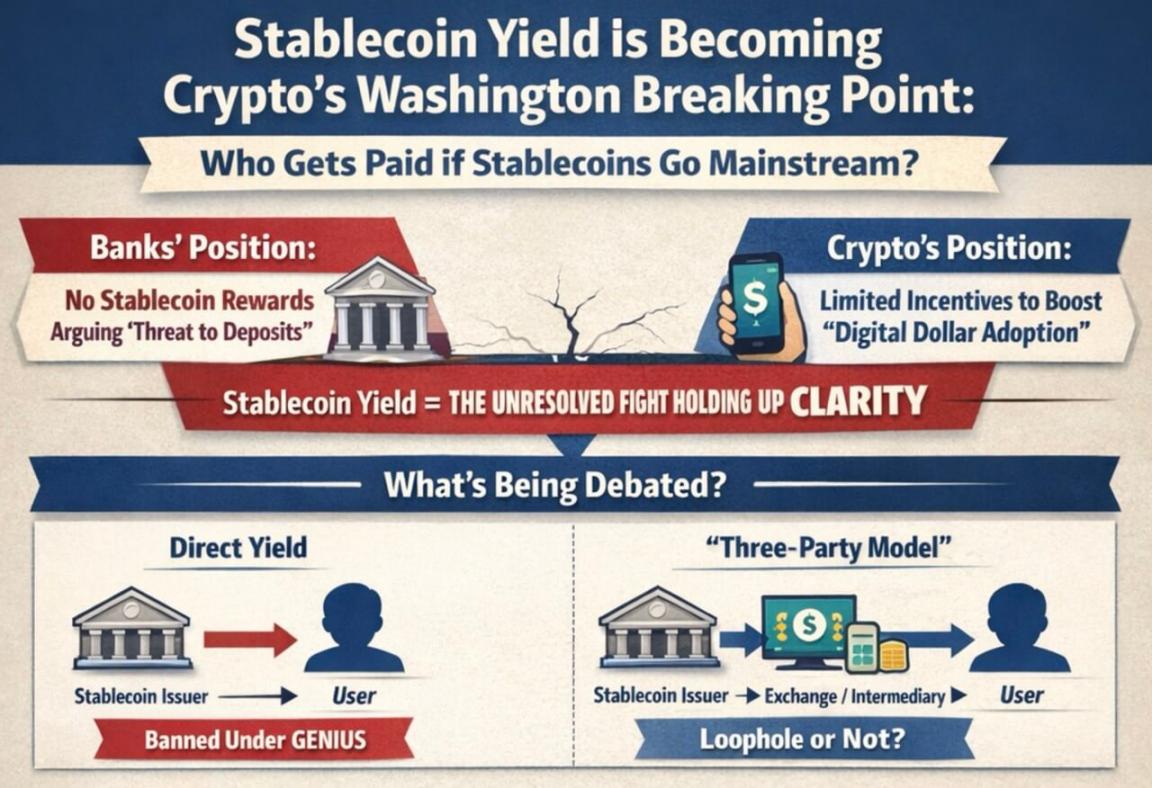
Across the Atlantic, the GENIUS Act establishes a federal framework for stablecoin issuers. While state-level banking laws vary, the federal mandate ensures that issuers maintain 1:1 backing in high-quality liquid assets. As noted by Gibson Dunn, this regulatory clarity encourages non-financial firms to become issuers or direct holders, integrating digital assets into mainstream corporate treasury management. The Conference Board highlights that this legislative shift is driving institutional adoption, as firms seek yield-bearing options that remain compliant.
For exporters, this dual-regulation landscape means that USDC, EURC, and JPYC are no longer experimental tools but regulated utilities. Compliance is baked into the token’s issuance structure, not added as an afterthought. This allows companies to execute cross-border payments with speed while maintaining the auditability required by auditors and regulators.


As an Amazon Associate, we may earn from qualifying purchases.
Yield strategies for corporate treasuries
Exporters holding idle FX stablecoin balances can now generate yield through tokenized U.S. Treasuries or institutional lending, a shift that aligns with 2026’s regulatory clarity. Enterprise demand is driving the adoption of yield-generating products that offer passive returns through on-chain lending and cash-management systems.
Tokenized Treasury-backed stablecoins provide a regulated avenue for yield. These instruments allow corporations to earn interest on balances like USDC or EURC without leaving the blockchain ecosystem. The yield is typically derived from the underlying government securities, offering a transparent and auditable return stream that satisfies corporate compliance requirements.
Institutional lending protocols offer an alternative, though with higher risk. Lending stablecoins to verified financial institutions can yield higher returns, but requires rigorous due diligence. Exporters must ensure their counterparties meet the same regulatory standards as the stablecoin issuers, particularly regarding capital reserves and audit trails. Always verify the legal structure of the lending agreement before deploying capital.
Frequently asked questions about FX stablecoins
Are regulated FX stablecoins safe for exporters in 2026?
Safety depends on the issuer’s regulatory status and reserve structure. Exporters should verify that tokens like EURC, JPYC, and USDC are issued by entities compliant with local financial authorities, ensuring reserves are audited and segregated. Thunes notes that clearer regulation and stronger financial safeguards are now in place for enterprise demand [1].
Which FX stablecoins are best for non-USD transactions?
For non-USD exposure, EURC (Euro) and JPYC (Japanese Yen) offer direct pegs to their respective fiat currencies, reducing FX conversion friction. USDC remains the primary vehicle for USD-denominated trade. The choice depends on your invoice currency; using a token that matches your receivable eliminates the need for secondary conversion, lowering costs and settlement risk.
Can I earn yield on these stablecoins?
Yield-bearing stablecoins are expanding in 2026, with users increasingly expecting passive returns through tokenized Treasury exposure and on-chain lending [2]. However, yield often comes with smart contract risk. Exporters must assess whether the yield source is regulated and whether the underlying assets (e.g., short-term Treasuries) are fully backed. Always consult legal counsel before deploying corporate treasury funds into yield-generating protocols.
What compliance requirements apply to FX stablecoin payments?
Regulatory frameworks are tightening globally. Exporters must ensure their stablecoin transactions comply with anti-money laundering (AML) and know-your-customer (KYC) rules in both the sending and receiving jurisdictions. Official sources like Gibson Dunn highlight that cross-border payments are subject to strict reporting requirements. Use only regulated issuers and platforms that provide transaction monitoring to avoid compliance penalties.
How do I securely store FX stablecoins?
Security is paramount for corporate treasuries. Use hardware wallets for long-term holdings and multi-signature wallets for active trading. Avoid keeping large balances on exchanges. For hardware security, consider devices like the Trezor Model T or Ledger Nano X to protect private keys from online threats.


As an Amazon Associate, we may earn from qualifying purchases.
No comments yet. Be the first to share your thoughts!