
Why regulation defines 2026 stablecoins
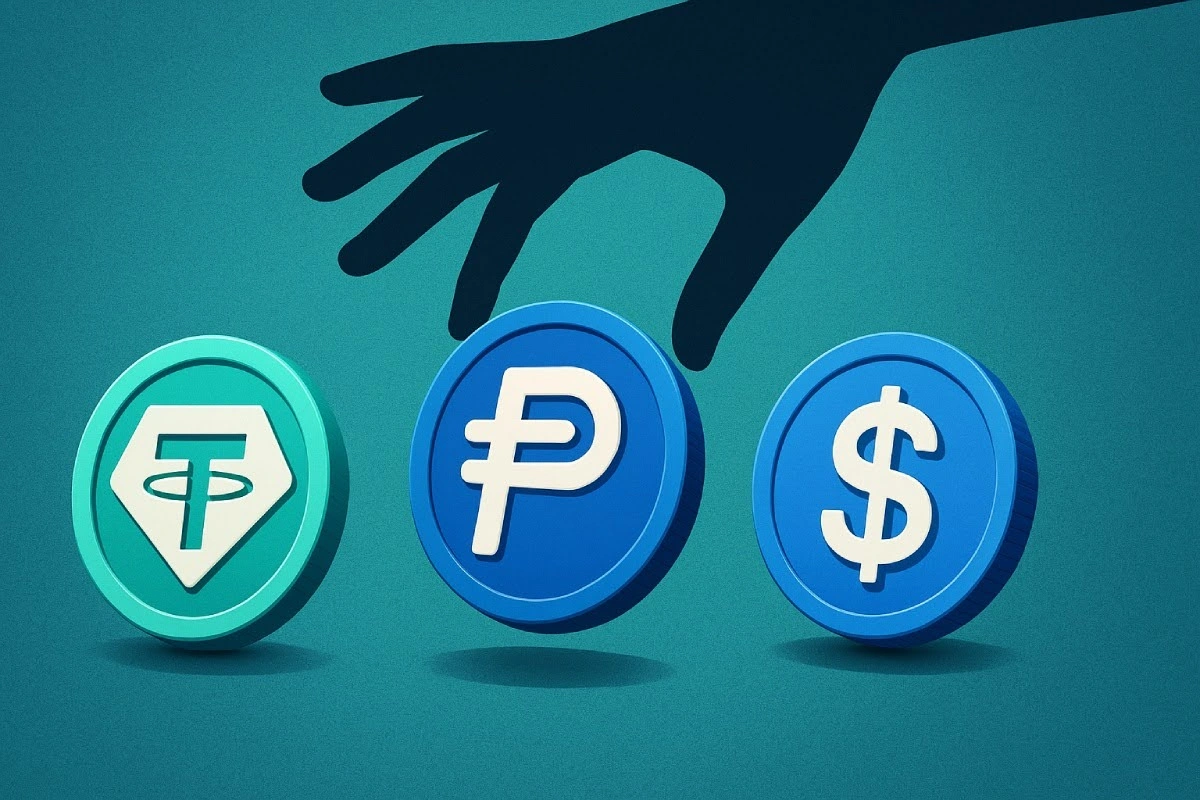
The stablecoin market has shifted from a wild-west experiment to a regulated financial infrastructure layer. In 2026, the primary differentiator is no longer just market capitalization or transaction speed, but regulatory compliance and reserve transparency. Investors and institutions are moving away from algorithmic models and opaque backing toward fully reserved, fiat-backed assets that meet strict legal standards.
Transparency is the new currency. Leading stablecoins like USDC and Tether (USDT) now publish regular attestations and audits from major accounting firms. This shift is driven by global regulatory frameworks, such as the EU’s Markets in Crypto-Assets (MiCA) regulation, which sets rigorous standards for stability, governance, and reserve management.
For users, this means a stablecoin is no longer just a digital token; it is a regulated financial instrument. The focus has moved from speculative utility to reliable, compliant payments and savings. Understanding the legal status and reserve composition of a stablecoin is now essential for any high-stakes financial decision.
5 Best Stablecoins 2026: Top 5 Regulatory-Compliant Picks
In 2026, regulatory scrutiny has eliminated ambiguity, making compliance with frameworks like MiCA and US banking standards a non-negotiable prerequisite for institutional capital. This selection identifies five stablecoins that maintain full reserve transparency and active legal standing, prioritizing structural integrity over speculative yield.
1. USDC: Circle’s Regulatory Compliance Status
USDC stands out for its rigorous adherence to US financial regulations, backed by Circle’s transparent reserve reporting. Each token is fully backed by cash and short-dated US Treasury bills, ensuring liquidity and stability. Circle publishes monthly attestations, providing investors with a clear view of reserve composition. This structure aligns with evolving regulatory expectations, making it a preferred choice for institutional participants seeking compliant digital dollar exposure in 2026.
2. USDT: Tether’s Reserve Transparency Audit
Tether (USDT) remains the largest stablecoin by market capitalization, driven by its deep liquidity across global exchanges. Recent engagements with Big Four accounting firms have enhanced the transparency of its reserve holdings, offering quarterly attestations rather than full audits. While controversies persist regarding reserve composition, Tether’s scale and integration into major trading pairs make it indispensable for high-volume traders requiring immediate settlement capabilities.
3. FDUSD: First Digital’s Regulatory Licensing
First Digital USD (FDUSD) has gained traction by securing specific regulatory licenses in key jurisdictions, emphasizing operational compliance. Backed by First Digital Ltd, the stablecoin maintains a 1:1 reserve structure with regular public attestations. Its focus on regulatory clarity aims to attract institutional users wary of legal ambiguities. FDUSD’s integration with major platforms highlights its growing role in compliant digital asset infrastructure, offering a stable alternative for regulated financial operations.
4. PYUSD: PayPal’s Regulatory Framework Analysis
PayPal USD (PYUSD) leverages PayPal’s established financial infrastructure and regulatory compliance history to enter the stablecoin market. Issued by Paxos Trust Company, PYUSD undergoes monthly attestations and maintains reserves in cash and short-term US Treasuries. Its integration into the PayPal ecosystem provides seamless fiat-to-crypto conversion for millions of users. This regulatory rigor and brand trust position PYUSD as a secure option for mainstream financial adoption in 2026.
5. GUSD: Gemini’s Regulatory Compliance Details
Gemini Dollar (GUSD) is issued by Gemini Trust Company, a New York State-chartered custodian bank. This unique regulatory status provides a robust legal framework for reserve management and user protection. GUSD maintains full reserve backing with regular audits, ensuring transparency and stability. Its compliance-first approach appeals to institutional investors and regulated entities seeking a trustworthy digital dollar alternative with strong governance standards and clear regulatory oversight.

USDC vs PYUSD: Compliance and reach
Choosing between USD Coin (USDC) and PayPal USD (PYUSD) requires evaluating how each issuer structures its legal obligations and reserves. Both are fully backed by US dollar-denominated assets, but their regulatory pathways and target audiences differ significantly. USDC operates under the oversight of the New York Department of Financial Services (NYDFS), while PYUSD is issued by PayPal, Inc., a publicly traded financial services company subject to SEC reporting requirements.
Regulatory Frameworks
USDC is issued by Circle, which publishes monthly attestation reports from independent auditors to verify its reserve composition. These reserves primarily consist of short-term US Treasury bills and cash deposits in FDIC-insured banks. Circle’s compliance with NYDFS regulations provides a layer of institutional scrutiny that appeals to enterprise clients and institutional investors who require strict adherence to anti-money laundering (AML) and know-your-customer (KYC) standards.
PYUSD, launched by PayPal in 2023, is backed by a reserve fund held at US banks and invested in short-duration US Treasury obligations. PayPal’s integration into its existing payment ecosystem allows for seamless fiat-to-crypto conversions for millions of users. While PayPal does not operate under NYDFS, it leverages its status as a regulated financial institution to maintain compliance with federal banking laws and AML directives.
Ecosystem Integration and Reach
The primary distinction lies in distribution. USDC is widely adopted across decentralized finance (DeFi) protocols, centralized exchanges, and payment processors, offering broad interoperability. PYUSD is initially confined to the PayPal and Venmo ecosystems, though it is expanding to other platforms. This limited initial reach makes PYUSD less suitable for complex DeFi interactions but highly convenient for everyday consumers.
Comparison Table
| Issuer | Regulatory Oversight | Reserve Assets | Primary Ecosystem |
|---|---|---|---|
| Circle | NYDFS | US Treasuries, Cash Deposits | DeFi, Exchanges, Payments |
| PayPal, Inc. | SEC, Federal Banking Laws | US Treasuries, Cash Deposits | PayPal, Venmo |
EURC for Exporters and FX Hedging
EURC serves as a regulatory-compliant Euro-backed stablecoin designed for cross-border trade and treasury management. It operates under the European Union’s Markets in Crypto-Assets (MiCA) framework, providing legal certainty that many US-based stablecoins lack in European jurisdictions. This regulatory alignment reduces compliance friction for businesses handling Euro-denominated transactions.
The token is fully backed by cash and cash equivalents held in segregated accounts, with regular attestations published by independent auditors. For exporters, this structure ensures that the digital asset mirrors the stability of traditional fiat Euro reserves. Businesses can settle invoices instantly without the delays associated with SWIFT transfers or the volatility of non-pegged cryptocurrencies.
EURC’s primary utility lies in hedging foreign exchange risk. By holding EURC, companies can maintain liquidity in a digital Euro format, avoiding the need to convert funds between multiple fiat currencies during international trade cycles. This is particularly valuable for firms operating in regions with unstable local currencies or restrictive capital controls.
While the broader stablecoin market includes various USD-pegged assets, EURC offers a distinct advantage for Euro-centric operations. Its compliance with EU regulations makes it a safer choice for institutional investors and corporate treasuries seeking to digitize Euro holdings without sacrificing regulatory oversight.
Where to buy regulated stablecoins
Purchasing stablecoins requires a platform that prioritizes regulatory compliance and asset security. The most reliable option is a centralized exchange (CEX) that holds a valid Money Services Business (MSB) license or equivalent financial institution charter in its operating jurisdiction. These platforms undergo regular audits and maintain segregated reserves, ensuring that your funds are protected against commingling with operational capital. Major exchanges like Coinbase and Kraken are widely recognized for their adherence to strict Know Your Customer (KYC) and Anti-Money Laundering (AML) protocols.
For institutional-grade transactions or high-volume transfers, consider regulated custodians such as Fireblocks or Cobo. These providers offer multi-party computation (MPC) wallet solutions and institutional custody services that meet enterprise security standards. They are particularly useful for businesses requiring seamless integration with payment gateways or treasury management systems. Always verify the specific licensing status of any platform before depositing significant capital.


As an Amazon Associate, we may earn from qualifying purchases.
Frequently asked questions about stablecoins
How do stablecoins maintain their value? Stablecoins rely on reserve mechanisms to peg their value to a reference asset, typically the US dollar. The most common model is the fully collateralized reserve, where the issuer holds cash or short-term government securities equal to the circulating supply. This structure ensures that holders can theoretically redeem tokens for the underlying asset at par. Other models, such as algorithmic stablecoins, use complex smart contracts to adjust supply and demand without direct collateral. For high-stakes financial decisions, fully collateralized assets with transparent audits are generally preferred due to their lower risk of de-pegging during market stress.
Are stablecoins regulated in the United States? Regulatory clarity for stablecoins is evolving, with significant implications for compliance. The US Treasury and the Office of the Comptroller of the Currency (OCC) have issued guidance emphasizing that stablecoin issuers must adhere to anti-money laundering (AML) and know-your-customer (KYC) standards. The proposed Clarity for Payment Stablecoins Act aims to establish a federal framework for stablecoin issuers, requiring regular attestations of reserves. Until federal legislation is passed, issuers must navigate a patchwork of state money transmitter laws and banking regulations. Investors should verify that their chosen stablecoin issuer has obtained necessary licenses and publishes regular reserve reports.
What happens if a stablecoin issuer fails? The risk of issuer insolvency is a primary concern for stablecoin holders. If an issuer becomes insolvent, the ability to redeem tokens depends on the liquidity and legal structure of the reserve assets. In a bankruptcy scenario, reserve assets may be frozen or subject to creditor claims, potentially delaying or reducing redemptions. Fully collateralized stablecoins held in segregated accounts offer some protection, but legal recourse can be slow and uncertain. It is critical to review the issuer's legal documentation to understand the bankruptcy remoteness of the reserve fund. Diversifying exposure across multiple regulated stablecoins can mitigate this single-point-of-failure risk.
No comments yet. Be the first to share your thoughts!